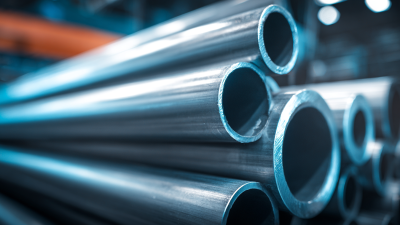
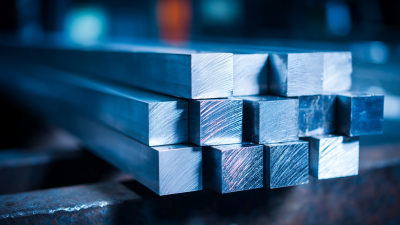
The 5052 Aluminum Bar has really become a go-to choice across a bunch of different industries. Its top-notch corrosion resistance definitely sets it apart from other aluminum alloys out there. Big names like Alcoa and Kaiser Aluminum rely on it because it’s both durable and versatile — pretty impressive, right?
In the automotive world, the 5052 Aluminum Bar is pretty much indispensable. It’s lightweight, which is a huge plus, but still manages to pack a punch in terms of strength. That said, some folks do worry about how it reacts to heat during fabrication, so you’ve gotta be careful with the right techniques to avoid issues.
On top of that, its awesome weldability makes it a favorite in marine stuff too. But, let’s be honest, getting a perfect weld isn’t always a walk in the park. Industries have to stay on top of their quality control to make sure everything holds up. All in all, the 5052 Aluminum Bar offers a lot — but like anything, it has its quirks that need attention.

Properties of 5052 Aluminum: Strength and Corrosion Resistance
The 5052 aluminum bar is highly regarded for its impressive strength and corrosion resistance. This alloy is known for its excellent durability, making it suitable for various industrial applications. Its tensile strength reaches up to 31,000 psi, a critical factor for structural integrity. Many industries rely on this material for demanding environments.
Corrosion resistance is another hallmark of 5052 aluminum. The alloy forms a protective oxide layer, shielding it from moisture and chemicals. This property ensures longevity, especially in marine and automotive applications. However, while it resists many forms of corrosion, it can still be vulnerable to certain acids. Understanding these limitations is essential for optimal usage.
Engineers often choose 5052 for its weldability. It can be easily joined to other metals, making it versatile in fabrication. Yet, its distinct properties may not apply in every situation. For example, it may not be the best choice for high-stress environments that require enhanced strength. Evaluating where 5052 excels and where it falls short is critical for effective project planning.
Common Applications of 5052 Aluminum in Various Industries
5052 aluminum is a versatile material widely used across various industries. Its unique properties make it suitable for different applications. For instance, the marine industry often uses 5052 aluminum for boat hulls and components. According to industry reports, 5052 offers excellent corrosion resistance, essential for underwater applications. This grade also exhibits good weldability, making it ideal for marine structural assemblies.
In the automotive sector, 5052 aluminum plays a vital role in manufacturing fuel tanks and body panels. A study showed that over 28% of aluminum used in vehicles is from this alloy. Its lightweight nature contributes to fuel efficiency, which is a key factor in modern automotive design. Companies aim to lower emissions while ensuring safety. Implementing 5052 aluminum can sometimes be challenging. Improper handling during fabrication may lead to surface imperfections, warranting further inspection and quality control.
Additionally, the building and construction industry utilizes 5052 aluminum for architectural applications. The alloy's ability to withstand harsh weather conditions makes it a reliable choice for exterior facades and roofing. However, some projects might overlook the benefits of using raw aluminum versus treated surfaces. Investing in proper finishing can enhance performance but often increases costs. The balance between cost and quality remains a critical consideration.
What Makes 5052 Aluminum Bar a Popular Choice in Industry? - Common Applications of 5052 Aluminum in Various Industries
| Application |
Industry |
Key Properties |
Benefits |
| Structural Components |
Construction |
Corrosion Resistance, Weldability |
Durability, Lightweight |
| Marine Applications |
Marine |
Excellent Corrosion Resistance |
Extended Lifespan |
| Automotive Parts |
Automotive |
High Strength-to-Weight Ratio |
Fuel Efficient |
| Packaging |
Food and Beverage |
Non-Toxic, Recyclable |
Eco-Friendly |
| Rail Transport |
Transportation |
Fatigue Resistance |
Safety and Stability |
Cost-Effectiveness of 5052 Aluminum Compared to Other Alloys
When considering the cost-effectiveness of 5052 aluminum, its advantages become clear. This alloy combines value and performance. It is more affordable than many other aluminum alloys, yet it does not sacrifice quality. Its malleability and corrosion resistance make it a practical choice for various applications. However, industries should weigh the long-term benefits against initial costs.
In the automotive and marine sectors, 5052 aluminum stands out. It embodies durability without excessive expense. Yet, buyers must be cautious. Some applications might benefit from different alloys. Specific needs may require stronger or lighter materials, which can lead to costly mistakes. Understanding these nuances is vital for effective material selection.
Overall, 5052 aluminum's cost savings speak volumes. However, it's essential to balance budget with performance. Reflecting on these factors will help industries make informed decisions. The right choice can enhance efficiency and reduce waste. Exploring various options can lead to better outcomes.
Sustainability Aspects of Using 5052 Aluminum in Manufacturing
The use of 5052 aluminum in manufacturing is gaining traction due to its sustainable attributes. This aluminum alloy is highly recyclable. When the end of its lifecycle arrives, it can be reprocessed. This significantly reduces waste in landfills. Additionally, the energy required to recycle aluminum is far less than producing new aluminum. Many industries appreciate this aspect. It leads to lower overall carbon emissions.
5052 aluminum also shows impressive durability. It withstands harsh environments without degradation. This means products last longer, reducing the need for frequent replacements. However, this longevity doesn’t eliminate concerns. Producing aluminum still has environmental impacts. The mining process can be damaging. It’s crucial for manufacturers to consider these aspects. Sustainable practices in sourcing 5052 aluminum are imperative for a balanced approach.
Incorporating 5052 aluminum into products can promote sustainability. Still, vigilance is necessary. Manufacturers should aim to source responsibly. Engaging in transparent practices is key. Consumers are increasingly aware of environmental issues. They demand accountability. The journey towards sustainability isn’t perfect. It requires constant evaluation and improvement. Sustainability in using 5052 aluminum is a step forward, but it’s not the only focus.
What Makes 5052 Aluminum Bar a Popular Choice in Industry?
This chart illustrates the sustainability aspects of 5052 aluminum bars. The scores represent the effectiveness of 5052 aluminum in various categories crucial for industrial applications, emphasizing its strong recyclability and corrosion resistance.
Welding and Machinability of 5052 Aluminum: Key Considerations
Welding and machinability are crucial for 5052 aluminum bar applications. This alloy is known for its excellent weldability. It features good resistance to corrosion and high strength. According to industry data, 5052 alloy has a tensile strength of around 28,000 psi. This makes it suitable for various structural applications.
However, welding 5052 requires attention to specific techniques. Improper settings can lead to poor weld quality. Additionally, this alloy has a higher tendency to crack during welding. It is essential to use proper filler materials and preheat if necessary. Reports indicate that preheating can reduce residual stresses and improve joint integrity.
Machinability is another critical consideration for 5052 aluminum. It machines better than many other aluminum alloys but still poses challenges. The material can work-hardening when machined, impacting tool life. It is crucial to use sharp tools and appropriate speeds. This minimizes tool wear and ensures better surface finish. Balancing weldability and machinability might require careful planning. This can complicate projects but ensures high-quality outputs.
Industry Demand Trends for 5052 Aluminum Bar in Recent Years
In recent years, the demand for 5052 aluminum bars has surged significantly. This trend is largely driven by industries such as automotive and aerospace. According to a 2022 market analysis, the global aluminum market is projected to grow at a compound annual growth rate (CAGR) of 4.2% through 2025. The shift towards lightweight materials like aluminum for fuel efficiency is a major factor.
Investigating specific figures, a report revealed that the consumption of 5052 aluminum alloy in automotive applications rose by 15% from 2021 to 2022. Manufacturers are increasingly utilizing this alloy due to its excellent corrosion resistance and weldability. Furthermore, the construction industry's emphasis on sustainable materials has also contributed to the uptick in demand.
However, challenges persist. Not all suppliers can meet the growing demand's quality standards. Inconsistent supply chain issues affect delivery times. Quality control remains a critical concern as manufacturers strive to keep pace with market needs. A perfect alignment between quality and demand is still an ongoing struggle, prompting reflection on how to improve sourcing and production processes.
Technical Specifications and Standards for 5052 Aluminum Products
5052 aluminum is known for its impressive properties. It has excellent corrosion resistance and good weldability. This makes it a favorite in marine environments and automotive applications. The alloy is lightweight yet strong, adding to its appeal. You often find it in structural components and pressure vessels.
When looking at technical specifications, 5052 aluminum has a yield strength of approximately 210 MPa. This is significant for various applications. The alloy also boasts a tensile strength of around 260 MPa. These numbers indicate its durability. The standard thickness ranges from 0.2 mm to 6.35 mm, allowing for versatility. Yet, manufacturers sometimes struggle with consistency in thickness.
The anodizing process enhances the surface durability of 5052 aluminum. It creates a protective coating that can improve its lifespan. However, not all finishes meet the same standards. Some lack uniformity, leading to potential issues in end-use. This inconsistency calls for careful quality control during manufacturing. Being mindful of these factors can lead to better application outcomes.
FAQS
: This practice can enhance your focus and reduce stress. It may also improve your overall well-being.
Daily engagement is ideal. However, even a few times a week can make a difference.
Absolutely! Beginners can start slow. Gradually increase intensity and duration over time.
A quiet and comfortable space is recommended. Natural light can enhance the experience.
No specific equipment is needed. A mat or comfortable surface can be helpful.
Start with short sessions. Around 15 to 30 minutes is a good range.
It’s normal to struggle with focus initially. Try to acknowledge distractions and gently redirect your attention.
Yes, even short sessions can be beneficial. Adapt it to your available time.
Some may feel discomfort if they push too hard. Listening to your body is crucial.
Take a moment to breathe deeply. It’s okay to pause the practice and regroup.
Conclusion
The 5052 Aluminum Bar is revered in various industries due to its remarkable properties, particularly its strength and excellent corrosion resistance. This alloy finds extensive applications in marine environments, automotive components, and manufacturing processes, making it a versatile choice. Its cost-effectiveness compared to other aluminum alloys further enhances its appeal for manufacturers looking to balance quality and expense.
Additionally, sustainability plays a significant role in the popularity of the 5052 Aluminum Bar, as its recyclable nature supports environmentally friendly practices in manufacturing. The welding and machinability features of this alloy also contribute to its ease of use in different applications. Recent industry demand trends indicate a growing preference for 5052 Aluminum Bars, underlining their importance in meeting modern manufacturing challenges while adhering to technical specifications and standards.