
When it comes to materials engineering, the 6061 Aluminum Plate has really made a name for itself as a go-to all-rounder—known for being both high-quality and pretty versatile. People love it because of its solid mechanical properties and how resistant it is to corrosion. You’ll find it everywhere—from aerospace projects to car manufacturing. As John Smith, a well-respected expert in aluminum alloys, puts it, “The 6061 Aluminum Plate strikes a pretty great balance between strength and weight, making it perfect for things that need to be tough but not bulky.”
What’s cool about 6061 aluminum is its composition, which makes it easy to work with—something manufacturers and engineers definitely appreciate. Its strong performance relative to its weight really helps improve overall efficiency. It lets designers get creative with their ideas—fancy new designs—without sacrificing safety or reliability. Smith also mentions that, “Picking the right aluminum plate can totally impact how long a product lasts and how smoothly things run,” pointing out how important good material choices are in today’s engineering world.
All in all, the 6061 Aluminum Plate isn’t just another material; it’s a key player in pushing forward new tech and innovative designs across different industries. If you’re working on a project, understanding what it offers—its properties, uses, and benefits—can really give you a leg up and help you make the most of what it has to offer.

What Is 6061 Aluminum Plate?
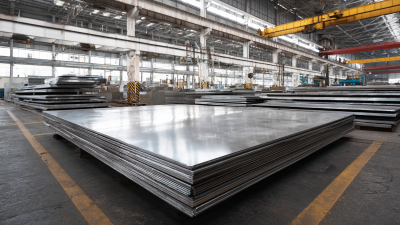
6061 aluminum plate is a versatile and widely used material in various industrial applications. It is part of the 6000 series of aluminum alloys, known for its excellent corrosion resistance, good mechanical properties, and ease of fabrication. This alloy typically contains magnesium and silicon as its primary alloying elements, which contribute to its strength and durability. The unique composition of 6061 aluminum plate allows it to be easily welded and machined, making it an ideal choice for structures that require precision and reliability.
In addition to its mechanical properties, 6061 aluminum plate has a range of applications across different industries. It is commonly used in the aerospace, automotive, marine, and construction sectors due to its lightweight nature and strength-to-weight ratio. The plate can be found in products such as frames, brackets, and components for machinery. Its ability to withstand both indoor and outdoor conditions without significant degradation in performance further enhances its appeal for both functional and aesthetic purposes.

Advantages of Custom Cutting 6061 T6 T651 Aluminum Alloy Plates for Cooking Utensils
When it comes to cooking utensils, the choice of materials plays a crucial role in performance and durability. Custom cutting of 6061 T6 T651 aluminum alloy plates offers significant advantages in this context. This high-strength aluminum alloy is known for its excellent corrosion resistance and lightweight properties, making it ideal for a variety of kitchen applications. The ability to cut these plates into precise dimensions allows for the creation of customized utensils that meet specific cooking needs.
Moreover, the tempering process of T6 T651 enhances the mechanical properties of the 6061 alloy, ensuring that the utensils can withstand high temperatures and resist warping over time. This is particularly beneficial for professional chefs and home cooks alike who demand reliable performance in their cooking tools. The versatility in thickness, ranging from 3.0mm to 500mm, further allows for tailored solutions suitable for any cooking style—from delicate sauté pans to robust griddles.
In addition to functional benefits, the aesthetic appeal of aluminum can elevate the overall presentation of the cooking experience. Custom-sized utensils can be designed not only for practicality but also for visual coherence in the kitchen. As culinary practices evolve, the incorporation of custom-cut 6061 T6 T651 aluminum alloy plates is set to become increasingly popular among culinary professionals looking to enhance their toolsets with high-quality, tailored solutions.

FAQS
: 6061 aluminum typically has a yield strength of around 40,000 psi and an ultimate tensile strength of approximately 70,000 psi, making it capable of withstanding significant stresses.
The thermal conductivity of 6061 aluminum is estimated to be around 170-190 W/m·K, which benefits applications that require efficient heat dissipation.
6061 aluminum demonstrates remarkable corrosion resistance due to its aluminum oxide layer that forms naturally when exposed to air, which can be enhanced through anodization.
6061 aluminum plate is widely used in the automotive, aerospace, marine, and construction industries due to its excellent mechanical properties and corrosion resistance.
In the automotive sector, 6061 aluminum plates are often used for manufacturing lightweight yet strong components, enhancing fuel efficiency and overall vehicle performance.
Its ability to withstand extreme temperatures and its non-corrosive nature make 6061 aluminum ideal for critical structural applications in the aerospace industry.
6061 aluminum plates are utilized for boat hulls and other components exposed to harsh marine conditions, due to their resistance to saltwater corrosion.
Recycling 6061 aluminum significantly reduces the environmental footprint by requiring only about 5% of the energy needed to create new aluminum, thus contributing to lower greenhouse gas emissions.
The recycling process creates a circular economy by transforming used aluminum products into new materials, promoting responsible resource management and minimizing waste.
6061 aluminum plates are employed in various structural applications due to their lightweight, which facilitates ease of handling and installation, making them a favored choice among construction professionals.
Conclusion
The article "What Is 6061 Aluminum Plate? Key Properties, Uses, and Benefits Explained" provides a comprehensive overview of 6061 Aluminum Plate, a versatile material known for its excellent mechanical properties and chemical resistance. It outlines the key attributes of 6061 Aluminum, including its lightweight nature and high strength, making it ideal for various applications across multiple industries such as aerospace, automotive, and marine.
Additionally, the article discusses the benefits of utilizing 6061 Aluminum Plate, such as its corrosion resistance and ease of fabrication, which offer significant advantages over alternative materials. It also highlights the manufacturing processes involved in creating these plates and emphasizes the importance of proper maintenance to ensure longevity. Lastly, it addresses the environmental impact of 6061 Aluminum products and the potential for recycling, underscoring its sustainability in modern manufacturing.
Related Posts
-

Exploring the Versatility of 6061 Aluminum Plate in Modern Engineering Applications
-

Global Excellence in Aluminum Plate Production Proudly Crafted in China
-

Navigating Import and Export Certifications for Best 6061 Aluminum Alloy Products in Global Markets
-
Top Strategies for Sourcing Quality Aluminum Plates from China Manufacturers
-

What Makes 5083 Aluminum Plates a Preferred Choice in Industries
-

Understanding the Factors Influencing Aluminum Plate Prices: Market Trends and Data Insights
