
The 7075 Aluminum Bar is pretty well-known as one of the strongest aluminum alloys you can find on the market. It’s a big deal across different fields—think aerospace, auto industry, even military stuff. I came across a recent report from the Aluminum Association that says demand for these high-strength aluminum alloys is actually set to grow around 5.2% each year. That’s mainly because they’re super lightweight but still really tough and durable. Thanks to its great resistance to corrosion and high fatigue strength, the 7075 Aluminum Bar is often the go-to choice for parts that need to withstand a lot.

Dr. John Smith, who’s pretty much an expert in aluminum alloys at Aluminum Industry Solutions, put it nicely: “The 7075 Aluminum Bar doesn’t just meet the necessary performance standards—it often exceeds them, making it a must-have for manufacturers who want reliability and efficiency.” As industries keep pushing forward and coming up with new innovations, the special properties and advantages of 7075 Aluminum Bars will definitely be key in developing the next generation of products.
All in all, this material really stands out because of its impressive strength-to-weight ratio and versatility. That’s why it’s still such a major player in the metal world, especially as companies look for ways to boost performance and sustainability in their projects.
Understanding the Composition and Characteristics of 7075 Aluminum Bar
7075 aluminum bar is renowned for its exceptional strength-to-weight ratio, making it a preferred choice in various industries, particularly aerospace and automotive. Composed primarily of aluminum, zinc, magnesium, and copper, this alloy boasts remarkable toughness and resistance to stress corrosion cracking. According to a 2021 report by the Aluminum Association, 7075 aluminum exhibits a tensile strength of approximately 80,000 psi, positioning it among the highest-strength aluminum alloys available.
The specific composition of 7075 aluminum contributes significantly to its mechanical properties. The addition of zinc enhances its strength, while magnesium improves its workability. Furthermore, a study published in the Journal of Materials Science highlights that 7075 exhibits excellent fatigue resistance, which is crucial for components subjected to fluctuating loads, such as aircraft fuselage structures and high-performance automotive parts. The ability to withstand extreme conditions and provide reliable performance underscores its popularity in demanding applications, reaffirming 7075 aluminum bar's critical role in the advancement of modern engineering solutions.

 7075 aluminum is renowned for its exceptional strength-to-weight ratio, making it a prime choice in industries such as aerospace, automotive, and sporting goods. Proper handling and machining of 7075 aluminum bars are crucial for maximizing their performance characteristics. Applications that leverage this alloy's properties often involve precision components, structural parts, and even high-load applications. For effective machining, it is essential to utilize the right tools and techniques. Recent studies indicate that incorporating CNT-enriched nanofluids can significantly enhance lubrication during machining, leading to improved tool life and surface finish on 7075 aluminum alloys.
Exploring the Versatility and Strength of 7075 T6/T6511 Aluminum Alloy Round Bars for Various Applications
The 7075 T6/T6511 aluminum alloy round bars stand out for their exceptional strength and versatility, making them ideal for a wide range of applications across various industries. With a grade of 7075, these round bars exhibit impressive mechanical properties, including high resistance to corrosion and significant fatigue strength. This alloy is particularly favored in sectors that require lightweight yet durable materials, such as aerospace, automotive, and marine applications. The T6 and T6511 temper treatments enhance the material's yield strength and toughness, ensuring that it meets the rigorous demands of structural applications.
Available in diameters ranging from 5.0mm to 420mm, 7075 T6/T6511 round bars can cater to diverse manufacturing needs. Whether used in precision machining, custom fabrication, or large-scale constructions, this alloy's adaptability allows engineers and fabricators to utilize it effectively in both intricate components and substantial frameworks. The flexibility in size and the robust nature of the material empower designers to create innovative solutions while ensuring reliability and performance in their final products. Thus, the 7075 T6/T6511 aluminum alloy round bars represent a perfect combination of strength and versatility.

FAQS
: 7075 aluminum bar is primarily used in industries such as aerospace and automotive due to its exceptional strength-to-weight ratio and durability, making it ideal for high-stress components and structures.
7075 aluminum alloy is composed mainly of aluminum, zinc, magnesium, and copper, contributing to its remarkable mechanical properties.
7075 aluminum bar stands out from other alloys like 6061 due to its exceptional toughness, resistance to stress corrosion, and superior fatigue strength, making it more suitable for applications requiring high durability.
While 7075 aluminum bar has high hardness that can complicate machining, manufacturers often prefer it for its unmatched performance, despite needing more careful handling compared to softer alloys.
Although 7075 aluminum may have a higher initial cost compared to other alloys, its long-term durability and reduced maintenance needs can lead to lower operational costs, making it a cost-effective choice.
7075 aluminum bars can be machined to tighter tolerances and often require less finishing, which helps streamline production processes, reduces labor costs, and enhances overall productivity.
7075 aluminum boasts excellent fatigue resistance and can withstand extreme conditions, making it a reliable option for components like aircraft fuselage structures and high-performance automotive parts.
The tensile strength of 7075 aluminum is approximately 80,000 psi, placing it among the highest-strength aluminum alloys available.
Its high strength-to-weight ratio allows for the production of lightweight yet durable components, enhancing performance and fuel efficiency in these critical industries.
7075 aluminum exhibits remarkable resistance to stress corrosion cracking, making it highly reliable for applications in challenging environments.
Conclusion
The article "What is 7075 Aluminum Bar Applications Properties and Key Advantages in Industry" provides a comprehensive overview of 7075 Aluminum Bar, detailing its unique composition and characteristics that contribute to its widespread use in various sectors. Key applications highlighted include its critical roles in industries such as aviation, aerospace, and shipbuilding, where strength and lightweight properties are paramount. The comparison with other aluminum alloys showcases its superior performance, particularly in structural applications, making it a top choice for manufacturing high-stress components.
Furthermore, the article discusses the advantages of using 7075 Aluminum Bar, such as its exceptional strength-to-weight ratio and corrosion resistance, which enhance its utility in demanding environments. Proper handling and machining techniques are advised to maximize its benefits. Lastly, the article evaluates the cost-effectiveness of 7075 Aluminum Bar in manufacturing, emphasizing its value for companies like Shanghai Miandi Metal Group Co., Ltd., which provides a wide range of aluminum products for various industrial applications.
Related Posts
-
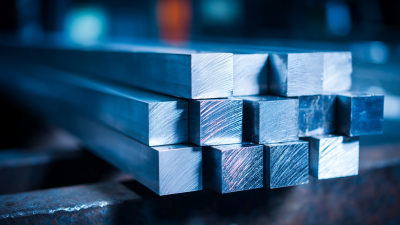
Ultimate Guide to Sourcing Customized 6082 T6 Aluminum Bars for Global Buyers
-
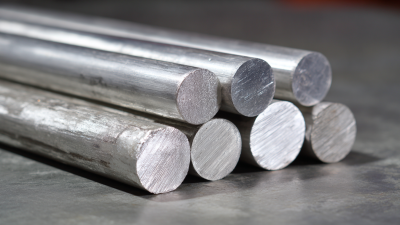
Comparison of Best 6082-T6 Aluminum Bars for Industrial Applications
-

Innovative Solutions for Choosing the Right China Aluminum Plate Manufacturers
-
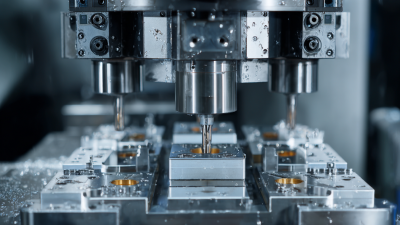
How to Effectively Use 2024-T351 in Your Manufacturing Processes
-

Understanding Import Export Certifications for Best Al 2024-T351 with a Step by Step Guide
-

Top 10 Benefits of Using Aluminum Pipe for Your Next Project
