0%

Aluminum flat bar? It's one of those go-to materials you'll see all over the place—construction, manufacturing, transportation, and just about any everyday fabrication job. Because it has that flat, rectangular shape, it's pretty easy to cut, drill, weld, bend, and fasten. That's why a lot of fabricators reach for it when they're making brackets, support frames, trim, rails, machine guards, and equipment bases. You'll also spot it in marine fittings, architectural details, and lightweight vehicle parts.

It brings some nice advantages too, like decent corrosion resistance and a good strength-to-weight ratio. For structural and mechanical projects, 6061 aluminum alloy is a common pick. When people want smoother finishes or architectural work, 6063 often gets the nod. But here's the thing: alloy choice really matters. A bar that's holding up a machine shouldn't be treated like decorative trim. That kind of assumption can come back to bite you. Engineers usually look at the alloy, thickness, span, load, connection method, and the working environment before they spec a product. Moisture, salt, vibration, and repeated stress can all change how it performs over time.

In real-world jobs, a 50-millimeter-wide bar might turn into a shelf bracket, a spacer, or a protective edge after a little cutting and drilling. Clean edges matter. So does measuring accurately. Aluminum is easy to work with, sure—but that doesn't automatically make it right for every load-bearing application. Some projects need design calculations, certified material data, or a professional inspection. Product standards and supplier documentation can help improve reliability, but paperwork alone can't replace solid engineering judgment. Understanding those limits is exactly why aluminum flat bar stays popular, even though choosing it still takes some thought.

What Is Aluminum Flat Bar Used For?

What Is an Aluminum Flat Bar?

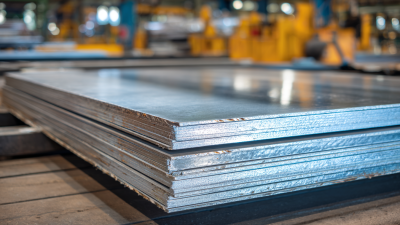
An aluminum flat bar is a solid, rectangular strip of aluminum with equal, parallel faces. It is usually supplied in straight lengths, with a consistent width and thickness. Unlike aluminum sheet, it has enough section depth for edging, spacing, bracing, and light structural support. Unlike angle bar, it has no built-in bend.

Manufacturers produce flat bars from different aluminum alloys. Alloy choice affects strength, corrosion resistance, machinability, and weldability. Common finishes include mill finish, brushed surfaces, and anodized surfaces. However, appearance should not decide the grade. A bright surface may still hide unsuitable mechanical properties.

Aluminum flat bar is used for frames, brackets, machine guards, trim, support plates, and repair work. It is useful where low weight and rust resistance matter. Fabricators can cut, drill, mill, and bend it with suitable tools. I have seen it used as a spacer beneath a hinge and as a clean edge around a panel.

One detail is often overlooked.

The bar must be checked for deflection, not only strength. A thin strip may bend under a modest load, especially across a long span. Designers should confirm the required width, thickness, temper, and load conditions before installation. It is not always the best choice. Steel may perform better when stiffness, impact resistance, or high temperatures control the design.

Key Properties That Make Aluminum Flat Bar Useful

What Is Aluminum Flat Bar Used For?

Key Properties That Make Aluminum Flat Bar Useful

Aluminum flat bar is used for brackets, frames, rails, trim, supports, and repair components. Its rectangular profile provides a broad surface for fastening, welding, or bonding. In workshop projects, a 25-millimeter-wide bar can form a neat equipment brace or protective edge. It is easy to cut with standard metalworking tools. That saves time during fitting.

Low density is one of its strongest advantages. Aluminum weighs much less than steel, which helps reduce the load on movable assemblies and overhead structures. It also resists corrosion because a thin oxide layer develops naturally on its surface. This makes it practical for outdoor enclosures, marine fittings, and damp production areas. The result is useful, not magical.

Thermal and electrical conductivity can support heat-transfer parts and grounding components, but alloy selection matters. Some grades machine smoothly, while others offer better strength or corrosion performance. Temper also changes how the bar bends and responds to drilling. A common mistake is choosing by dimensions alone. I have seen thin bars twist when their span was too long. Engineers should check load, unsupported length, fastener spacing, and joining method before fabrication. Aluminum expands with temperature, too, so tight installations may need movement allowance. Surface scratches are easy to create during handling. A protective film or careful storage can prevent avoidable damage.

Common Construction and Structural Applications

Aluminum flat bar is widely used in construction because it combines low weight, corrosion resistance, and easy fabrication. The International Aluminium Institute estimates that buildings and construction consume roughly one-quarter of global aluminum demand. Flat bar supports this market in practical, visible ways. Workers use it for door frames, window trims, flashing, facade edges, stair nosings, and protective corner strips. It can also form brackets, cleats, spacers, and mounting plates.

Structural work requires more careful selection. Flat bar can act as a tension strap, connector plate, lintel component, or reinforcement member in light frames. Fabricators often drill, saw, bend, or weld it on site. A 6-millimeter bar may suit a trim detail, while thicker sections can support moderate connection loads. Load capacity depends on alloy, temper, span, hole placement, and fastening method. Size alone is not enough. The U.S. Geological Survey reported approximately 72 million metric tons of global primary aluminum production in 2024, showing the material’s continuing industrial scale.

Aluminum flat bar also appears in handrails, rooftop equipment supports, drainage details, and electrical enclosures. Its natural oxide layer helps resist outdoor exposure, but contact with steel or copper may cause galvanic corrosion. Isolation washers can reduce that risk. Engineers should verify deflection and connection strength, especially in wind-prone areas. Field assumptions sometimes fail. A flat bar that feels rigid may still twist under eccentric loading. ASTM material and dimensional requirements provide useful control, but project drawings must govern the final application.

Manufacturing, Fabrication, and Industrial Uses

What Is Aluminum Flat Bar Used For?

Manufacturing, Fabrication, and Industrial Uses

Aluminum flat bar is a practical stock shape for building strong, lightweight parts. Manufacturers produce it through rolling or extrusion. Rolled bar often provides consistent thickness and broad, even surfaces. Extruded bar can offer tighter profiles and useful dimensional control. The selected alloy affects strength, corrosion resistance, machinability, and weld performance. Small details matter.

In fabrication shops, workers cut flat bar into brackets, spacers, rails, base plates, and support arms. A saw leaves a sharp edge, so deburring becomes an important finishing step. Machinists also drill, mill, bend, and countersink the material for accurate assembly. Aluminum’s low density helps reduce frame weight, especially in access platforms, guards, transport equipment, and modular structures. It also conducts heat well, making it useful for heat spreaders and mounting components. However, aluminum is not automatically the best choice for every load.

Industrial designers use flat bar for machine fixtures, protective covers, electrical enclosures, and non-structural frames. Its natural oxide layer supports outdoor service, but surface preparation still deserves attention. Welding can weaken some heat-treated alloys near the joint. Designers must check load calculations, fastener compatibility, and required tolerances. I have seen simple projects fail because the bar was selected by size alone. Thickness, alloy, grain direction, and connection design can change the result. A neat drawing is not enough. Real testing may reveal unexpected flex, vibration, or surface damage.

What Is Aluminum Flat Bar Used For? — Manufacturing, Fabrication, and Industrial Uses
Application Area Typical Use Why Aluminum Flat Bar Is Suitable Common Fabrication Processes Important Selection Considerations
Structural Frames Brackets, equipment frames, support rails, base plates, and light-duty structural members. Low density reduces handling weight while providing useful stiffness and corrosion resistance. Cutting, drilling, milling, welding, bolting, and riveting. Choose thickness and width according to the load, span, fastening method, and required stiffness.
Machine Guards and Covers Edge reinforcements, access-panel frames, protective guards, and mounting strips. Easy to machine and form; its nonferrous surface does not introduce iron particles into the assembly. Saw cutting, punching, drilling, bending, and mechanical fastening. Consider impact exposure, panel weight, edge finishing, and access requirements.
Transportation Equipment Trailer components, vehicle trim supports, rail-car fittings, marine fixtures, and lightweight repair parts. Offers a favorable strength-to-weight ratio and can help reduce component mass. Cutting, forming, machining, riveting, and welding when the selected alloy is suitable. Evaluate vibration, fatigue, salt-water exposure, galvanic corrosion, and joining compatibility.
Electrical and Electronic Enclosures Mounting rails, busbar supports, enclosure frames, heat-spreading plates, and internal brackets. Aluminum conducts heat and electricity and is generally easy to drill and machine. Cutting, drilling, tapping, punching, bending, and surface finishing. Verify electrical isolation needs, current-carrying requirements, clearance, and thermal performance.
Heat Management Heat sinks, thermal mounting plates, cooling brackets, and heat-transfer components. Aluminum has relatively high thermal conductivity compared with many common structural metals. Extrusion-compatible machining, milling, drilling, sawing, and fin or groove machining. Surface area, contact flatness, thermal interface quality, and alloy conductivity affect performance.
Architectural and Building Work Trim, thresholds, edge caps, handrail components, window and door details, and interior framing. Light weight, clean appearance, corrosion resistance, and compatibility with anodizing or painting. Cutting, mitering, drilling, bending, fastening, anodizing, and powder coating. Specify visible-surface finish, dimensional tolerances, weather exposure, and joining details.
Fabrication and Repair Custom gussets, spacers, shims, reinforcement strips, jigs, fixtures, and replacement pieces. Available in many widths and thicknesses and can be customized with standard workshop equipment. Sawing, filing, drilling, tapping, bending, welding, and fastening. Match the alloy and temper to the required strength, formability, machinability, and weldability.
Marine and Outdoor Equipment Dock hardware, brackets, access platforms, recreational equipment, and outdoor support structures. Forms a naturally protective oxide layer and is lighter than steel for many applications. Cutting, drilling, riveting, bolting, bending, and suitable welding methods. Use protective isolation from dissimilar metals and account for chloride-rich or continuously wet environments.
Manufacturing Tooling Assembly fixtures, templates, guide rails, inspection aids, and prototype tooling. Fast to machine, relatively easy to handle, and suitable for low- to medium-load tooling. CNC milling, drilling, tapping, sawing, countersinking, and deburring. Check dimensional stability, wear resistance, surface hardness, and the expected production volume.
Common Alloy Choices General-purpose flat bar is often selected from commercially available wrought aluminum alloys. Different alloys balance corrosion resistance, strength, formability, machinability, and weldability. Processing depends on alloy and temper; fabrication should follow applicable material guidance. Use alloy and temper designations rather than appearance alone when mechanical performance matters.
Typical Advantages Lightweight construction, corrosion resistance, machinability, recyclability, and a nonmagnetic character. These properties support efficient fabrication and can reduce handling, transport, and maintenance demands. Compatible with mechanical fastening, machining, forming, and selected welding techniques. Aluminum is not automatically the best choice for high-wear, high-temperature, or very high-load applications.
Design Limitations Applications involving severe abrasion, high sustained temperature, or direct contact with incompatible metals. Aluminum has lower hardness and melting temperature than many steels and may experience galvanic corrosion. Use isolation washers, coatings, proper joint design, and suitable heat-control practices where needed. Confirm load capacity, temperature range, wear conditions, corrosion environment, and applicable safety standards.

Electrical, Marine, and Transportation Applications

Aluminum flat bar is used where strength, low weight, and corrosion resistance must work together. In electrical systems, it can serve as a busbar, grounding strip, equipment support, or heat-spreading component. Its conductivity is lower than copper, so engineers must check current ratings and temperature rise carefully. Clean contact surfaces matter. Oxidized joints can increase resistance and create unwanted heat.

In marine applications, aluminum flat bar appears in brackets, deck supports, frames, handrails, and reinforcement details. Proper marine-grade alloys can resist saltwater exposure, but the alloy choice remains critical. Welding can change corrosion behavior near the heat-affected zone. Isolation washers and coatings may also reduce galvanic corrosion between aluminum and dissimilar metals. It is not maintenance-free.

Transportation equipment uses flat bar for trailer rails, truck bodies, seat supports, access steps, and lightweight structural frames. The material helps reduce vehicle weight without making every component bulky. Designers still need to consider vibration, repeated loading, bolt-hole weakening, and impact forces. Weight matters.

A common mistake is treating every aluminum flat bar as interchangeable. It is not. Temper, thickness, edge condition, and joining method affect real performance. In practical fabrication, a slightly thicker bar may be safer, but it can also add unnecessary weight. Careful load calculations should guide that decision. More testing is sometimes needed.

How to Select the Right Aluminum Flat Bar for a Project

Choosing aluminum flat bar starts with the job, not the catalog. Measure span, width, thickness, and expected load. A short bracket may need different strength than a long rail. Alloy and temper matter. 6061-T6 offers useful strength and machinability, while 5052 bends more easily and resists many outdoor environments. Do not choose by thickness alone. A thick bar can still fail if its unsupported length is excessive. Check drawings and local conditions.

For outdoor work, examine moisture, salt, chemicals, and temperature changes. A mill finish may suit a hidden frame, but visible parts often need smoother finishing. Confirm straightness and edge condition before cutting. Sharp edges waste time. Ask for material certificates, dimensional tolerances, and traceability from a reliable supplier. These documents help verify composition and temper. They also support consistent results when several bars must fit together.

I once selected a bar from a familiar size chart and overlooked the mounting holes. The bar fit the frame, but drilling removed too much material near one edge. That mistake changed the spacing and cost extra labor. Now I sketch every hole, bend, weld, and fastener before ordering. Welding can reduce strength near the heat-affected zone. For critical structures, have calculations reviewed by a qualified engineer. Leave a small allowance for cutting and deburring. It is easy to underestimate both.

6082 T6/T6511 Aluminum Bars: Custom Sizing Trends from the IAI Global Aluminum Flow Report

Global aluminum flow analysis continues to highlight the importance of flexible, application-specific sizing. In this context, 6082 aluminum bars in T6 and T6511 tempers are increasingly selected for projects that require a balance of strength, machinability, and dimensional adaptability. Custom sizing helps manufacturers reduce excess machining, improve material utilization, and align bar dimensions more closely with finished component requirements.

Available diameters from 6 mm to 350 mm support a broad range of uses, from precision shafts, fittings, and mechanical parts to larger structural and industrial components. T6 bars provide a reliable combination of hardness and tensile performance, while T6511 bars offer stress-relieved characteristics that can help minimize distortion during machining and fabrication. This range allows buyers to specify dimensions according to load conditions, production methods, and downstream processing needs.

As supply chains become more focused on efficiency and resource management, customized 6082 bar dimensions can contribute to shorter preparation cycles and lower material waste. Diameter selection, temper designation, straightness, surface quality, and cut-length requirements can be coordinated at the ordering stage, giving manufacturers greater control over production planning and component consistency.

FAQS

What is an aluminum flat bar?

It is a solid, rectangular aluminum strip with equal, parallel faces. It usually comes in straight lengths with consistent width and thickness. Unlike angle bar, it has no built-in bend.

What are common uses for aluminum flat bar?

It is used for frames, brackets, trim, support plates, rails, and machine guards. A short piece can become a spacer beneath a hinge. It can also protect a panel edge.

Why is aluminum flat bar useful outdoors?

Aluminum is lightweight and naturally develops a thin oxide layer. This helps resist rust in damp areas, outdoor enclosures, and marine fittings. It is helpful, not indestructible.

How does alloy selection affect performance?

Alloy choice affects strength, corrosion resistance, machinability, and weldability. Temper also changes how the bar bends and responds to drilling. Dimensions alone do not tell the full story.

Can aluminum flat bar support structural loads?

It can support light structural loads as a strap, connector plate, bracket, or reinforcement. Capacity depends on alloy, thickness, span, holes, fasteners, and loading direction. A rigid-looking bar may still twist.

Should deflection be checked before installation?

Yes. Deflection matters, especially across a long unsupported span. A thin 25-millimeter strip may bend under a modest load. Check width, thickness, span, load, and fastener spacing.

Can aluminum flat bar be cut, drilled, or bent?

Suitable metalworking tools can cut, drill, mill, and bend it. Different alloys machine differently. Careless drilling may distort a thin strip or leave rough edges.

Can aluminum contact steel or copper directly?

Direct contact may cause galvanic corrosion in wet conditions. Isolation washers or protective barriers can reduce the risk. The connection needs inspection over time.

How should aluminum flat bar be selected for hot or rigid installations?

Aluminum expands when temperature changes. Tight assemblies may need movement allowance. Steel may perform better when stiffness, impact resistance, or high temperatures control the design. This choice deserves a second look.

Conclusion

An Aluminum Flat Bar is a solid, flat-shaped metal section valued for its low weight, strength, corrosion resistance, and ease of fabrication. Its smooth surfaces and consistent dimensions make it suitable for frames, supports, braces, trims, platforms, rails, and other construction or structural components. Because aluminum is easy to cut, drill, bend, weld, and finish, it is also widely used in manufacturing equipment, machine parts, workbenches, cabinets, and custom fabricated assemblies.

In addition, Aluminum Flat Bar can serve as a practical material for electrical enclosures, heat-related components, marine fittings, vehicle structures, trailers, and transportation equipment. Selecting the right bar requires attention to alloy, temper, thickness, width, surface condition, load requirements, and the working environment. Projects exposed to moisture may prioritize corrosion resistance, while load-bearing applications may require greater strength. Careful evaluation of these factors helps ensure the finished component performs reliably, remains easy to install, and meets the project’s design and durability needs.

James

James

James is a dedicated marketing professional at Shanghai Miandi Metal Group Co., Ltd., specializing in the distribution of a comprehensive range of aluminum products, from the 1000 series to the 8000 series. With extensive knowledge of aluminum plates, rods, flats, angle aluminum, round tubes, and......
Previous What Is 6061 Aluminum Plate Used For?