
You know, the aluminum plate market has been pretty nuts lately, with prices bouncing around thanks to all sorts of different factors. It's really important for businesses and investors to get a handle on what’s driving these changes. According to the International Aluminium Institute, we’re looking at about a 4% annual increase in global aluminum demand over the next decade. That kind of growth naturally puts upward pressure on prices, making it a hot topic for everyone involved.

One big thing influencing prices is the cost of raw materials like bauxite and alumina. The London Metal Exchange has pointed out that recent shifts—like new mining rules and how smoothly supply chains are working—can really shake up the supply and cost of these essential ingredients. Plus, things like geopolitical tensions, trade policies, and tariffs add another layer of unpredictability, making the market even more volatile.
And don’t forget, technological innovations in producing aluminum plates are also playing a key role. Companies like Alcoa and Norsk Hydro are always working on new ways to make production faster and cheaper. These improvements help stabilize prices and make aluminum more competitive, especially in industries like automotive and aerospace. So, really understanding how all these pieces fit together is crucial for anyone trying to get a grip on the ins and outs of the aluminum plate world.
Factors Influencing the Global Demand for Aluminum Plates

Global demand for aluminum plates is influenced by various factors, especially in industries such as aviation, aerospace, and shipbuilding. Research indicates that the aerospace sector alone is projected to witness a compound annual growth rate (CAGR) of over 6% from 2023 to 2030. This surge is attributed to increasing air travel and the need for lightweight, durable materials to improve fuel efficiency. As a result, companies like Shanghai Miandi Metal Group Co., Ltd. are seeing heightened interest in their extensive range of aluminum products, from 1000 series to 8000 series.
Another significant factor affecting demand is the growing emphasis on sustainability and recycling within the metal industry. According to the Aluminum Association, recycled aluminum requires up to 95% less energy compared to primary aluminum production, making it an attractive choice for manufacturers. This shift towards sustainable practices has led to an increased requirement for aluminum plates in green building projects and electric vehicle production. In response, Shanghai Miandi Metal Group is committed to supplying high-quality aluminum materials that meet the evolving needs of its diverse clientele.

Global Aluminum Market Trends: Analyzing the Impact of 6061 T6 T651 Sheets on Construction Material Costs and Standards
The global aluminum market is witnessing significant shifts, particularly due to the increasing demand for high-performance materials like 6061 T6 T651 aluminum sheets in the construction industry. According to a recent report by the Aluminum Association, 6061 aluminum ranks among the most popular alloys, known for its excellent mechanical properties and versatility. The T6 temper provides enhanced strength and the T651 strain-hardened condition offers improved structural integrity, making it ideal for various applications in construction.
The dimensions of 6061 T6 T651 sheets, ranging from 3.0mm to 500mm in diameter, cater to diverse construction requirements, allowing for greater flexibility in design and execution. As the construction sector aims for greater sustainability and cost efficiency, incorporating this grade of aluminum not only mitigates weight but also aligns with modern standards for structural strength and resilience. The rapid growth of the infrastructure sector, projected to expand at a CAGR of 4.5% over the next five years, indicates a sustained increase in demand for such high-quality materials, further driving down costs and enhancing the overall value of construction projects.
Recent market analysis reveals that the global aluminum prices are influenced by the growing emphasis on lightweight materials, specifically in regions focusing on green building practices. The properties of 6061 T6 T651 sheets contribute to reduced energy consumption and lower carbon footprints, aligning with the contemporary trends towards eco-friendly constructions. Consequently, stakeholders who prioritize these materials in project planning could reap significant economic and environmental benefits in the years to come.

FAQS
: The global demand for aluminum plates is primarily driven by the aviation and aerospace industries, with projections indicating a CAGR of over 6% from 2023 to 2030 due to increasing air travel and the need for lightweight materials. Additionally, sustainability and recycling trends are increasing demand in green building projects and electric vehicle production.
Sustainability influences the aluminum industry by promoting the use of recycled aluminum, which requires up to 95% less energy to produce than primary aluminum. This emphasis on reducing energy consumption and enhancing environmental practices drives demand for aluminum plates in eco-friendly projects.
Raw material costs significantly affect aluminum pricing, with primary aluminum production costs accounting for nearly 40% of the final product price. The price of alumina, a key raw material, has increased by over 25% recently due to supply chain disruptions and higher demand.
Energy costs have a crucial impact on aluminum production, as the smelting process is highly energy-intensive. Fluctuations in electricity prices can directly influence production costs, with energy expenses representing about 30% of overall costs in certain regions.
Supply chain factors such as raw material availability, production capacity, and transportation logistics significantly affect aluminum plate prices. Recent supply chain disruptions have led to a notable increase in these prices, with reports of a 25% rise in the last two years.
Shipping costs have heavily influenced aluminum pricing due to factors like rising fuel prices and transportation delays. Increased freight rates and container shortages have further exacerbated the situation, leading suppliers to pass these costs onto consumers.
The COVID-19 pandemic exposed vulnerabilities in global shipping and logistics, causing delays and increased prices for aluminum products. This has highlighted the importance of supply chain efficiency in maintaining stable pricing.
Industry players can effectively forecast aluminum pricing movements by closely monitoring trends in raw material costs and energy market dynamics, as both significantly impact overall production costs.
The aluminum market is currently volatile due to fluctuations in raw material prices, energy costs, supply chain disruptions, and shipping challenges, all of which contribute to unpredictable pricing for aluminum plates.
Rising aluminum plate costs can impact manufacturers by increasing their production expenses, which may affect pricing strategies, profit margins, and competitiveness in various industries like aviation and construction.
Conclusion
The pricing of aluminum plates is influenced by a myriad of factors spanning global demand, raw material costs, and manufacturing processes. Fluctuations in raw material prices directly impact the aluminum plate price, as the cost of sourcing essential aluminum ores can vary significantly. Additionally, the manufacturing processes employed can also alter production costs, which in turn affects market pricing.
Furthermore, market dynamics such as supply chain efficiency and shipping costs play a crucial role in shaping aluminum plate prices. Disruptions in logistics or increases in shipping fees can lead to higher prices for consumers. Geopolitical events may also instigate ripple effects, creating uncertainty in the market and further influencing aluminum pricing trends. As a leading distributor of a wide range of aluminum products, including various grades of aluminum plates, Shanghai Miandi Metal Group is keenly aware of these factors and their implications on aluminum plate pricing in industries such as aviation, aerospace, and shipbuilding.
Related Posts
-

Understanding the Factors Influencing Aluminum Plate Prices: Market Trends and Data Insights
-

How to Choose the Right 6061 Aluminum Plate Brand for Your Needs
-

What Makes 5083 Aluminum Plates a Preferred Choice in Industries
-

Top 10 Benefits of Using Aluminum Plates in Various Industries
-
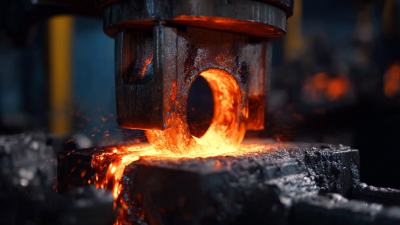
Unique Applications of China Aluminum Forging in Modern Industries
-

Why Aluminum Forging Bars are Essential for Modern Manufacturing Processes
