0%

Aluminum Square Bar is honestly a super versatile material used in tons of different industries. I was chatting with John Smith from Aluminum Innovations, and he mentioned, “The fact that aluminum is both strong and lightweight makes it perfect for so many applications.” It’s pretty cool how this metal comes in all sorts of sizes and strengths, giving you tons of options to tailor it exactly to what you need.

Thanks to its square shape, aluminum square bars offer a bit more stability compared to round bars—plus, they’re often seen in construction, manufacturing, and even in some creative, artistic projects. One of the best parts? It’s really easy to cut and shape, which means less waste and more customization. That said, yeah, you’ve gotta be a bit careful when selecting the right type for your specific project, because not all aluminum is created equal.

Keep in mind, different alloys can really change things—affecting strength and how well they resist corrosion. So, taking some time to understand these differences can make a big difference in how your project turns out. Honestly, exploring aluminum square bars is a bit like a journey—full of learning and discovering what works best for you.

What is Aluminum Square Bar and its Uses?

What is Aluminum Square Bar?

Aluminum square bars are versatile structural materials made from aluminum. They come in various sizes and are characterized by their square cross-section. This design offers strength and rigidity, making them popular in many industries. Commonly, they are available in different lengths and thicknesses, which allows for customization based on specific project needs.

The lightweight nature of aluminum makes it easy to handle. It resists corrosion, ensuring durability in various environments. This makes aluminum square bars ideal for applications like frames, brackets, and support structures. In construction, they are often used to create sturdy frameworks that require minimal weight.

However, one must consider that while aluminum is strong, it can deform under extreme pressure compared to steel.

Working with aluminum square bars can be challenging. Cutting and machining require specific tools and techniques. Improper handling can lead to imperfections, such as rough edges or misaligned cuts. It's important to pay attention to these details to achieve the desired finish. Testing and adjustments often help in perfecting the final product.

Composition and Properties of Aluminum Square Bars

Aluminum square bars are essential materials in various industries. They are made from aluminum alloys, which enhance strength and durability. The composition typically includes elements like magnesium and silicon, which improve corrosion resistance. This makes them suitable for outdoor and marine applications.

When considering the properties of aluminum square bars, one must note their lightweight nature. They are easy to handle and transport, but can be less rigid than steel. This makes them great for applications where weight is critical. However, the lower rigidity can be a drawback in some structural uses.

Tips: Always check the alloy grade for your specific needs. Some alloys offer better weldability, while others may be more prone to bending. Also, consider the surface finish. A smooth finish may be aesthetically pleasing but could reduce grip in some applications. Aluminum square bars can be versatile, but understanding their properties is key to using them effectively.

Common Manufacturing Processes for Aluminum Square Bars

What is Aluminum Square Bar and its Uses?

Aluminum square bars are versatile materials made from aluminum extrusion. They are popular in various industries due to their durability and lightweight properties. The manufacturing process begins with molten aluminum being forced through a square-shaped die. This creates a long bar with a uniform cross-section. Once cooled, the bar can be cut into lengths required for various applications.

Another common method is rolling. In this process, aluminum slabs are heated and passed between rollers to achieve the square shape. This technique allows for precise thickness control. The finishing touches often involve processes like anodizing or powder coating. These methods enhance corrosion resistance and aesthetics. However, each approach has its challenges.

Extrusion can lead to defects like bends or irregularities if not properly managed. Rolling may produce variations in thickness that could affect final products. Users should be aware of these potential issues. Selecting the right process for your needs is essential. Each method has its strengths and weaknesses, requiring thoughtful consideration.

Applications of Aluminum Square Bars in Construction

Aluminum square bars are versatile materials commonly used in construction. They offer strength and durability while remaining lightweight. These bars are available in various sizes, catering to different project needs. Their ability to resist rust and corrosion makes them ideal for outdoor applications.

In construction, aluminum square bars serve multiple purposes. They can be used as structural supports in buildings. Their strength helps bear heavy loads without compromising safety. Additionally, they are often used in framework designs for windows and doors. Their straight edges provide a neat finish, enhancing overall aesthetics.

However, using aluminum square bars is not without challenges. Some may find welding them difficult due to the heat management needed. Additionally, they are not as strong as steel bars, which could limit their application in some heavy-duty situations. It's important to evaluate each project’s requirements carefully.

Uses of Aluminum Square Bars in Machinery and Equipment

Aluminum square bars are versatile materials widely used in machinery and equipment. They offer excellent strength-to-weight ratios, making them ideal for various applications. According to industry reports, the global demand for aluminum products is projected to reach 60 million tons by 2025. This surge is driven by the need for lightweight yet robust components in industries such as automotive and aerospace.

In machinery, aluminum square bars play a crucial role. They are commonly used in frames, brackets, and supports. These components contribute to the overall durability of machines while minimizing weight. For instance, in CNC machines, aluminum square bars often form the structural backbone. This not only improves efficiency but also reduces energy consumption. However, many manufacturers overlook the advantages of proper aluminum might. When not optimized for design, the potential benefits diminish.

The equipment sector also heavily relies on aluminum square bars. They are prevalent in conveyor systems and robotic arms. Their corrosion resistance is an added benefit, particularly in harsh environments. Yet, some designs fail to exploit the unique properties of aluminum fully. Inappropriate thickness or orientation can lead to inefficiencies. Reports indicate that machinery failures often stem from inadequate material choices. Therefore, a detailed understanding of aluminum square bars is essential for optimal machinery performance.

Advantages of Using Aluminum Square Bars Over Other Materials

What is Aluminum Square Bar and its Uses?

Aluminum square bars have gained popularity for their versatile applications. One key advantage lies in their lightweight nature. Specifically, aluminum is about one-third the weight of steel. This characteristic can greatly reduce transportation costs. An industry report highlighted that using aluminum can lead to a 15% decrease in operational expenses for construction projects.

Another notable benefit is corrosion resistance. Unlike steel, aluminum does not rust. This attribute allows for longer life spans in harsh environments. A study published in 2021 found that aluminum components last up to 50% longer than their steel counterparts in coastal areas. The lower maintenance requirements translate into cost savings over time.

While aluminum is not as strong as steel, its ability to withstand high temperatures makes it a better choice in certain scenarios. The potential downsides include a higher initial cost compared to some materials. However, weighing these factors reveals that the long-term benefits can outweigh the initial investment. Businesses are advised to conduct a thorough cost-benefit analysis.

Maintenance and Care for Aluminum Square Bars

Aluminum square bars are versatile materials in various industries. They can corrode if not maintained properly. Regular care is essential for longevity and performance.

To maintain aluminum square bars, clean them periodically. Use mild soap and water for routine cleaning. Avoid harsh chemicals—they can damage the surface. Inspect for signs of wear or scratches. Addressing small issues early can prevent larger problems.

Additionally, storing aluminum bars in a dry place is crucial. Moisture exposure can lead to oxidation. Be cautious when handling them to avoid dents and bends. Reflecting on one’s maintenance routines can yield improvement. A simple checklist might help ensure consistent care. Ignoring maintenance can lead to unexpected challenges later on.

Comprehensive Guide to Customized Size 5052 H112 Aluminum Bars: Applications, Benefits, and Sourcing Options

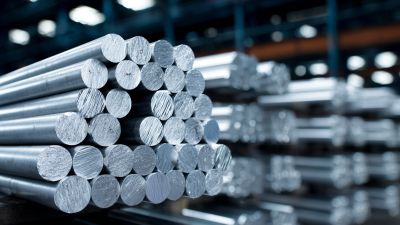
The 5052 H112 aluminum bars have gained recognition for their versatility and durability in various industries. With a diameter range of 4.0mm to 560mm, these bars are customizable to meet specific project requirements, making them suitable for applications in automotive, marine, construction, and manufacturing sectors. The 5052 grade is particularly valued for its excellent corrosion resistance and weldability, enabling it to perform well in harsh environments while maintaining structural integrity.

Customization is a key advantage of sourcing 5052 H112 aluminum bars. By tailoring the size and specifications to fit distinct applications, businesses can optimize performance and reduce waste. Additionally, 5052 bars are lightweight yet robust, offering an ideal balance for projects that require strong materials without excessive weight. Industries seeking reliable and cost-effective solutions often turn to these aluminum bars, as they provide a combination of flexibility in sizing and high-strength characteristics essential for demanding uses.

FAQS

: What are the main benefits of regular exercise?

: Regular exercise improves heart health, increases energy, and enhances mood. It boosts mental clarity and sleep quality.

How much exercise is recommended per week?

Aim for at least 150 minutes of moderate activity weekly. Break it into manageable sessions.

Can I exercise daily?

Yes, but balance is key. Combine high and low-intensity workouts. Rest and recovery are necessary too.

What should I wear for workouts?

Wear comfortable clothing that allows movement. Choose supportive footwear to prevent injuries during exercise.

How do I stay motivated to exercise?

Set achievable goals. Join a community or workout with friends. Tracking progress can motivate you to continue.

What if I have a busy schedule?

Even short workouts can be effective. Try 10-minute bursts throughout the day. Find what fits your routine.

How important is nutrition when exercising?

Nutrition plays a crucial role. Proper diet fuels workouts and aids recovery. Don't overlook meals before and after exercise.

Can I exercise if I'm feeling unwell?

It's best to listen to your body. Light walking may help, but avoid intense workouts if you're not feeling well.

What are common mistakes beginners make in fitness?

Many start too intensely, causing injury. Others neglect warm-ups or cool-downs. Gradual progression is essential for success.

How can I improve my flexibility?

Stretch regularly, focusing on major muscle groups. Consider incorporating yoga or Pilates into your routine for better flexibility.

Conclusion

Aluminum Square Bar is a versatile and widely used material known for its strength and lightweight properties. Composed primarily of aluminum, these bars exhibit excellent corrosion resistance and can be easily fabricated, making them ideal for various applications in construction and machinery. The manufacturing processes for aluminum square bars include extrusion and rolling, which contribute to their uniform shape and size.

In construction, aluminum square bars are utilized for framing, supports, and structural components due to their durability and aesthetic appeal. In machinery and equipment, they serve as vital components in manufacturing processes and product assemblies. The advantages of choosing aluminum square bars over other materials include their resistance to rust and ease of maintenance. Proper care, such as cleaning with mild solutions, can help maintain their integrity and appearance over time. Overall, aluminum square bars offer a practical solution across multiple industries, combining functionality with efficiency.

Charlotte

Charlotte

Charlotte is a skilled marketing professional at Shanghai Miandi Metal Group Co., Ltd., specializing in the distribution of aluminum products ranging from the 1000 series to the 8000 series. With a deep understanding of the industry, she plays a crucial role in showcasing the company’s extensive......
Previous Global Market Analysis 2025 for Best Weldable Aluminum Alloy and How to Choose the Right Supplier