
Aluminum tubes are pretty versatile—they’re used in all sorts of industries and applications. You know, they’re lightweight but surprisingly strong, which makes them perfect for things like aerospace, cars, and construction projects. Companies like 3M and Alcoa are big names in manufacturing these tubes, tailoring them to meet the specific needs of each industry.
What makes aluminum so great, really, are its unique properties. It resists rust and corrosion, which is a huge plus, and it has an awesome strength-to-weight ratio—so it’s strong without being heavy. Plus, it’s super easy to shape and form, which means designers can get pretty creative with it. Of course, there are some challenges too. Sometimes, miscommunication during the design process can lead to mistakes in production. So, nailing down exact specs from the get-go is pretty important.
And it’s not just industry stuff—aluminum tubes are also found in our everyday lives. Think sports gear, furniture, even packaging. Their adaptability makes them pretty popular. That said, we’ve gotta be mindful of the environmental impact too. Producing these tubes isn’t perfect eco-wise, so finding that sweet spot between usefulness and sustainability is becoming more and more of a priority these days.

Definition and Properties of Aluminum Tubes
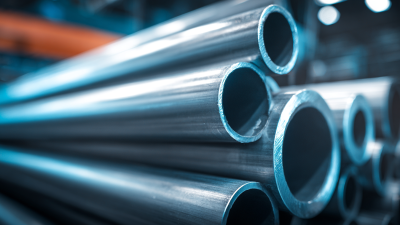
Aluminum tubes are lightweight, strong, and versatile. They are made from aluminum metal, which is known for its durability and resistance to corrosion. The properties of aluminum tubes make them ideal for various applications across different industries. They often have excellent thermal conductivity and are non-magnetic. This makes them suitable for both structural and decorative purposes.
Many industries utilize aluminum tubes. For instance, in the automotive sector, they are used in manufacturing frames and supports. In construction, aluminum tubes can function as structural elements due to their strength-to-weight ratio. Their aesthetic appeal also makes them popular in furniture and design.
Tips: When choosing an aluminum tube, consider the thickness and diameter. Thicker tubes are stronger but heavier. A lighter tube might be easier to handle but may not support heavy loads. Always test materials before full-scale use. Checking compatibility with other materials is crucial. Be mindful of potential corrosion in specific environments.

Exploring the Advantages of 6061 T6 Aluminum Alloy Tubes in Bicycle Frame Construction
The use of 6061 T6 aluminum alloy tubes in bicycle frame construction is gaining recognition among manufacturers and cycling enthusiasts alike. This alloy is celebrated for its strength and durability, making it an ideal choice for high-performance bikes. With a tensile strength that allows for robust frame designs, 6061 T6 ensures that bicycles can withstand rough terrains and intense riding conditions without compromising on weight.
One of the key advantages of using 6061 T6 aluminum alloy is its versatility in diameter options, ranging from 15mm to 160mm. This variation allows for custom frame designs tailored to specific cycling disciplines, whether for road racing or mountain biking. Additionally, the T6 tempering process enhances the alloy's resistance to corrosion and impacts, further extending the lifespan of the bicycle frame. The lightweight nature of this material means riders can enjoy enhanced acceleration and maneuverability, critical for both competitive and recreational cycling.
Furthermore, the aesthetic appeal of aluminum frames, paired with their functional attributes, positions 6061 T6 alloy as a sought-after choice in the cycling industry. The sleek finish and potential for varied color treatments allow for personalization without sacrificing structural integrity. In summary, the advantages of 6061 T6 aluminum alloy tubes are numerous, making it a significant material choice in modern bicycle frame construction.

FAQS
: The product aims to enhance everyday tasks. It can provide convenience and efficiency in daily routines.
Follow the instructions carefully. Start with a simple task to familiarize yourself with its features.
Yes, avoid using it in wet conditions. Also, keep it away from children for safety reasons.
Check the power source first. If it still doesn't work, consult the manual for troubleshooting steps.
Regular cleaning is recommended. Neglecting maintenance may lead to decreased performance over time.
Yes, it is versatile. However, using it for unintended tasks might not yield the best results.
Durability varies based on usage. With proper care, it can last a significant amount of time.
Warranties may be included with purchase. Review the documentation to understand coverage details.
Contact customer support with your order details. They can assist with any problems you might encounter.
Yes, many sources provide feedback. Reading reviews can offer insights into others' experiences with the product.
Conclusion
An aluminum tube is a versatile and lightweight hollow structure made from aluminum, known for its corrosion resistance and strength. These tubes come in various dimensions and shapes, produced through manufacturing processes such as extrusion and rolling. Their unique properties make them suitable for a range of applications, particularly in construction, where they provide structural support without adding excessive weight.
In the aerospace industry, aluminum tubes are favored for their high strength-to-weight ratio, contributing to fuel efficiency in aircraft. Similarly, in the automotive sector, they are used for components that require durability while minimizing added weight. The benefits of using aluminum tubes over other materials include their recyclability, ease of machining, and the ability to withstand diverse environmental conditions, making them an essential material in many industries.
Related Posts
-
Understanding the Unique Benefits of 6061 T6 Aluminium Tube for Global Buyers
-

How to Determine Aluminum Tube Price Effectively?
-

Innovative Applications of Aluminum Metal Tubes in Aerospace Engineering Revolutionizing Performance and Design
-

Top 10 Tips for Choosing the Best 2024 Aluminum Bar for Your Projects
-

Why 5052-H112 Aluminum Alloy is the Best Choice for Corrosion Resistance and Durability
-

2025 Top 5 Trends Impacting Aluminum Tube Prices: Industry Insights and Forecasts
