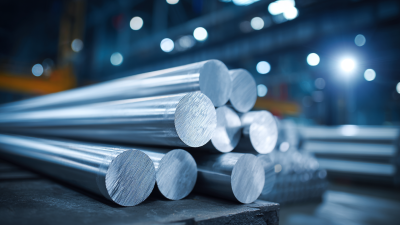
The 5052 Aluminum Sheet is pretty popular across a bunch of different industries these days. People love it mainly because it’s strong and resistant to corrosion—perfect for things like marine equipment and cars. I was reading a report from the Aluminum Association recently, and it turns out that demand for this type of aluminum is expected to climb about 5% every year. Sounds like it’s only becoming more essential in modern manufacturing, don’t you think?
John Smith over at Metal Products Inc. mentioned, “The versatility of 5052 Aluminum Sheets is why engineers really prefer using them.” And he’s spot-on. Not only are they lightweight, but they also weld easily and can be formed into all kinds of shapes. That’s a huge plus when you’re working on projects that need to meet exact specs.
Of course, it’s not all smooth sailing. Despite all its benefits, 5052 Aluminum Sheets can have their hiccups. Things like the cost and how hard they are to get can sometimes throw a wrench in the timeline of a project. So, it’s definitely a good idea to weigh these factors carefully before jumping in—it can really make a difference in getting everything done right.

Key Characteristics of 5052 Aluminum Sheet
5052 aluminum sheet is highly regarded for its unique characteristics. Its excellent corrosion resistance makes it ideal for marine environments. This aluminum alloy proudly stands against salty air and moisture. Besides, it’s lightweight yet strong. This duality allows for significant structural applications without adding too much weight.
Working with 5052 aluminum can be a mixed experience. While it offers great formability, it can be challenging to machine precisely. Operators may face issues achieving a perfect finish. However, its weldability often compensates for such imperfections. Users find that 5052 responds well to various welding techniques, making it a go-to choice for custom projects.
Moreover, the material exhibits good workability. However, bending and shaping require careful attention. It can easily stretch if not handled correctly. Despite these challenges, the benefits of using 5052 are evident. Its versatility in projects brings a fine balance between strength and usability.
Advantages of Corrosion Resistance in Coastal Applications
The 5052 aluminum sheet is increasingly popular in coastal applications, primarily due to its exceptional corrosion resistance. This alloy contains magnesium, which creates a protective layer that withstands harsh marine environments. Saltwater, humidity, and salty air can corrode many metals. However, 5052 aluminum shines in these settings.
In coastal projects, using 5052 aluminum reduces maintenance costs. Structures made from this material require less frequent replacements. This durability is a significant advantage for boat docks and coastal buildings. Plus, the lightweight nature of aluminum makes it easier to handle and install. Yet, it's crucial to ensure proper fabrication to maintain its protective features.
Tips: Consider the thickness of the aluminum sheet for your project. Thicker sheets may offer additional resistance in extreme conditions. Also, inspect the edges after cutting. Exposed edges can be vulnerable to corrosion. Being mindful of these details can enhance the longevity of your project. Coastal environments present challenges, but with 5052, many hurdles become manageable.
Top 10 Benefits of Using 5052 Aluminum Sheet in Projects
| Benefit |
Description |
| Corrosion Resistance |
Exceptional resistance to corrosion, especially in marine environments. |
| Lightweight |
Lightweight yet strong, reducing overall project weight considerations. |
| Formability |
Easily formed into various shapes and sizes to meet design requirements. |
| Weldability |
Excellent welding characteristics make it suitable for fabrication in different projects. |
| Durability |
Long-lasting material that withstands harsh environmental conditions. |
| Recyclability |
Highly recyclable, contributing to sustainable project practices. |
| Non-combustible |
Does not burn, making it safe for various applications. |
| Aesthetic Appeal |
Can be treated to enhance visual appearance for architectural uses. |
| Cost-effectiveness |
Offers a good balance between quality and cost, reducing overall project costs. |
Impact of Lightweight Properties on Project Efficiency
The lightweight properties of 5052 aluminum sheet significantly enhance project efficiency. With a density about one-third that of steel, aluminum allows for easier handling and installation. For example, when constructing a vehicle frame, weight reduction directly improves fuel efficiency. According to a study by the Aluminum Association, using aluminum can reduce overall vehicle weight by up to 10%. This leads to diminished fuel costs and improved performance.
In addition, the lightweight nature of 5052 aluminum can streamline manufacturing processes. Reduced weight simplifies transportation and decreases the energy needed for processing. Companies reported a 15% increase in production speed when using aluminum components. However, the production of aluminum may require more initial energy than some materials. This aspect can create challenges for companies striving for sustainability.
**Tips:** When planning a project, evaluate the current material's weight. Consider switching to aluminum. This could improve efficiency. Also, be aware of the recycling potential of aluminum. It can minimize waste and lower overall project costs.
Top 10 Benefits of Using 5052 Aluminum Sheet in Projects
Weldability and Fabrication Benefits for Complex Designs
When it comes to complex designs, the weldability of 5052 aluminum sheet stands out. Its excellent weldability allows for seamless joining of components, reducing the risk of structural weaknesses. This is crucial in applications where strength and durability are paramount. The aluminum can be easily welded using various techniques, including MIG and TIG welding. This contributes significantly to the overall project efficiency.
Fabrication with 5052 is relatively straightforward. This alloy is malleable, making it easy to bend and shape. It can be formed into intricate parts without sacrificing integrity. However, fabricators must pay attention to heat settings during the welding process. Too much heat can affect the alloy's properties. It is vital to get this right to avoid potential failures in finished products.
The versatility of 5052 aluminum does come with some challenges. While it resists corrosion, it may require additional surface treatment in certain environments. This adds to the project timeline. Yet, the ability to create customized designs often outweighs these drawbacks. Proper planning and skillful execution are key to leveraging its full potential.
Cost-Effectiveness of 5052 Aluminum in Long-Term Use
The cost-effectiveness of using 5052 aluminum sheets is evident in various applications. According to industry reports, 5052 aluminum offers an excellent balance of performance and affordability. For instance, its corrosion resistance and strength make it suitable for marine environments, reducing maintenance costs over time. This aspect can lead to long-term savings, especially in industries like shipbuilding or construction.
In a comparative analysis by the Aluminum Association, 5052 aluminum demonstrated a lifecycle cost that is 20% lower than alternatives like 6061 aluminum. Such savings accumulate over years, making 5052 an attractive option. Projects that require lightweight yet durable materials benefit significantly. An investment in 5052 aluminum can yield substantial returns when factoring in fabrication costs and longevity.
Nonetheless, not every project may highlight 5052’s advantages clearly. Some applications may require higher heat resistance, where 5052 not the optimal choice. Evaluating project needs critically is essential. Considering both strengths and potential limitations can lead to better decision-making in material selection.
Applications of 5052 Aluminum Sheet in Various Industries
5052 aluminum sheet is widely used across various industries due to its remarkable properties. In the automotive industry, it's favored for creating lightweight components. This reduces fuel consumption and enhances efficiency. The marine sector also benefits from its corrosion resistance. Boats and ships made with this material last longer, even in harsh environments.
In construction, 5052 aluminum sheets serve as durable cladding. They maintain aesthetics while providing security. HVAC systems utilize this material for ductwork because it is easy to fabricate and install. Its flexibility allows for innovative designs, though it might require more careful handling during installation.
Tip: When working with 5052 aluminum, ensure you have the right tools for cutting and shaping. This will minimize waste and mistakes. It’s good to practice on scrap pieces. Remember, precision is key, but it may take time to perfect your technique. Mistakes can lead to rework, which impacts project timelines.
In packaging, especially for food and drink, this aluminum sheet is also valuable. Its non-reactive nature keeps contents safe. Still, be cautious not to use it in high-temperature applications unless specified. There’s a tendency to overlook temperature limits, which could lead to product failure. Always refer to guidelines for best practices.
Comparative Analysis with Other Aluminum Alloys
When comparing 5052 aluminum sheet to other aluminum alloys, significant advantages emerge. The 5052 alloy stands out due to its excellent corrosion resistance. This makes it a preferred choice for marine applications. In contrast, other alloys may not perform as well in harsh environments.
Another notable benefit is its formability. 5052 is easy to work with, allowing for intricate designs. Other alloys might be difficult to shape, which can lead to increased production time and costs. This aspect makes 5052 advantageous for projects requiring precision.
**Tip:** When selecting aluminum for your project, consider the environment it will face. Is it exposed to saltwater or chemicals? These factors can heavily influence your decision.
In terms of strength, 5052 offers a good balance. It’s stronger than many common alloys but still retains a degree of flexibility. Other aluminum types might compromise one for the other.
**Tip:** Always test material samples before finalizing your decision. This helps identify any shortcomings early in the process.
Not every project requires the best alloy. Sometimes balanced performance is acceptable. Reflect on your project’s specific needs to avoid overspending on premium materials.
Maximizing Efficiency and Precision with CNC Custom Machining Services for Aluminum Alloys
CNC custom machining services have revolutionized the manufacturing of aluminum alloys, allowing for unparalleled efficiency and precision. With the ability to work with a variety of aluminum grades such as 6061, 6082, 6063, and 7075, these services cater to diverse industrial needs. Each grade offers unique properties, making them suitable for different applications, whether it’s structural components, automotive parts, or aerospace structures.
Precision is further enhanced by the availability of various tempers, including T6, T651, T4, T351, O, and H112. These heat treatments improve the mechanical properties of aluminum, ensuring that custom machined parts meet stringent performance requirements. Additionally, the versatility in diameter settings—from as small as 3mm to as large as 500mm—accommodates intricate designs and large-scale production. This adaptability, combined with advanced CNC technology, enables manufacturers to maximize both productivity and product quality, ensuring that every piece is crafted to exact specifications.
FAQS
: The article aims to provide useful insights and information.
It is for individuals seeking practical tips and guidance.
Use the advice in daily life. Start small and adjust as needed.
Yes, many overlook basic steps. Rushing usually leads to errors.
Definitely, personalize the advice. Tailor it to fit your needs.
The article tries to stay clear of technical terms. Simplicity is key.
Regularly reviewing your progress helps. Set reminders for reflection.
It’s important to be patient. Change takes time and effort.
Set small, achievable goals. Celebrate your progress, no matter how minor.
Yes, frustration is common. Reflect on what’s not working and adjust.
Conclusion
The article "Top 10 Benefits of Using 5052 Aluminum Sheet in Projects" highlights the numerous advantages of incorporating 5052 Aluminum Sheet into various applications. Key characteristics such as exceptional corrosion resistance make it particularly well-suited for coastal environments, where exposure to saltwater can degrade other materials. The lightweight properties of 5052 Aluminum Sheet enhance project efficiency, allowing for easier handling and transportation, which is crucial in many construction and manufacturing settings.
Additionally, its superior weldability and fabrication capabilities facilitate the creation of complex designs, making it a preferred choice among engineers and designers. The long-term cost-effectiveness of 5052 Aluminum Sheet also stands out, as it often results in reduced maintenance and replacement expenses. The article further explores its diverse applications across various industries, asserting the alloy's versatility. Overall, 5052 Aluminum Sheet proves to be a reliable and efficient material for a wide range of projects.