
When it comes to manufacturing, you really can't overlook the importance of Aluminum Forging Bars. I remember industry expert John Richards from Alloy Solutions once mentioning, "The right forging bar can seriously boost the strength and performance of your products." That totally underscores how critical it is to pick the right type of Aluminum Forging Bars for whatever you're working on.
These bars come in a bunch of different types, each designed for specific jobs. They’re prized for their strength, durability, and resistance to corrosion—features that make them super valuable in sectors like aerospace, car manufacturing, and construction. But, here’s the thing—not every type is a perfect fit for every application. Some might struggle with high temperatures, or might not be great when it comes to machining. So, choosing carefully is key to getting the best results.
Getting a good grasp of the trade-offs involved in selecting Aluminum Forging Bars is pretty important for industries. The goal is to match the right type of bar to its intended purpose. Even small details, like the alloy composition or how it's tempered, can make a huge difference in the final quality. Making the wrong choice could end up costly—like, really expensive. Taking the time to weigh your options carefully can save you from headaches down the line and lead to better manufacturing outcomes overall.

Overview of Aluminum Forging Bars in Industrial Applications
Aluminum forging bars are crucial in various industrial applications. They are lightweight yet strong, making them ideal for aerospace, automotive, and construction industries. Their ability to withstand high stress and resist corrosion enhances their appeal. Manufacturers often choose aluminum for its excellent machinability. This allows for precise part production in critical environments.
Tips: Always consider alloy types when selecting aluminum bars. Each alloy has unique properties. For example, 7075 offers high strength, while 6061 offers great weldability.
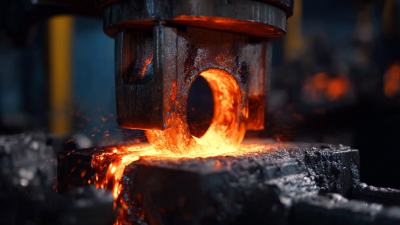
Aluminum bars are often forged into shapes like rods and plates. These shapes find uses in aircraft components, automotive parts, and machinery. The forging process significantly improves the material's strength and performance. It can also lead to changes in the structure, which are not always predictable. Mistakes in the forging process can result in weak points.
Tips: Regularly review forging processes. Identifying flaws can prevent costly errors. Always check alloy quality before starting production. Quality control is essential for success.
Best Aluminum Forging Bar Types and Uses for Industry
| Type of Aluminum Forging Bar | Alloy Series | Common Applications | Key Properties |
|---|---|---|---|
| 6061 Aluminum Forging Bar | 6000 Series | Aerospace, Automotive, Marine | Good corrosion resistance, medium strength |
| 7075 Aluminum Forging Bar | 7000 Series | Defense, Aerospace, High-Performance Applications | High strength, low weight |
| 2024 Aluminum Forging Bar | 2000 Series | Aircraft Structures, Military Vehicles | Excellent fatigue resistance, high strength |
| 5052 Aluminum Forging Bar | 5000 Series | Marine, Automotive, Pressure Vessels | Good corrosion resistance, good weldability |
| 2011 Aluminum Forging Bar | 2000 Series | Precision Machining, High-Performance Parts | Excellent machinability, low density |

The Impact of High Quality 6061 and 7075 T652 Aluminum Forging Bars on Aerospace and Automotive Industries: An Analysis of Current Market Trends and Projections
The aerospace and automotive industries have increasingly recognized the significant benefits of high-quality forged aluminum bars, particularly those made from 6061 and 7075 T652 aluminum alloys. These materials are renowned for their strength, weight efficiency, and resistance to corrosion, making them ideal for applications requiring enhanced durability and performance. According to industry reports, the global demand for lightweight materials in these sectors is projected to grow significantly, with a compound annual growth rate (CAGR) of approximately 6.5% over the next five years. This trend is driven by the need for improved fuel efficiency and reduced emissions, where every gram of weight savings in components contributes to overall performance.
The exceptional mechanical properties of 6061 and 7075 T652 aluminum make them particularly suitable for forging processes. These alloys offer high tensile strength and fatigue resistance, essential for components subject to extreme operational conditions. A recent analysis highlighted that products forged from these materials not only meet but often exceed the rigorous specifications set forth by the aerospace and automotive standards. With a focus on delivering reliable and consistent outcomes, manufacturers are turning to these high-performance alloys to meet the stringent requirements of the forging industry, securing their position as the preferred choice for engineers and production teams across these critical sectors.
As market trends shift towards sustainability and innovation, the utilization of premium forged aluminum rods is expected to play a crucial role in the advancement of technology within aerospace and automotive applications. The capacity of 6061 and 7075 T652 aluminum to be shaped into complex geometries while retaining structural integrity will lead to the development of innovative designs and solutions that align with the future needs of these dynamic industries. This evolution underscores an ongoing commitment to quality and reliability, ensuring that the products meet the challenges of modern engineering demands.

FAQS
: Aluminum forging bars are applied in aerospace, automotive, and construction due to their lightweight and strong nature.
Forging improves strength and performance but can create unpredictable structural changes. Mistakes might lead to weak points.
Common alloys include 6061, 7075, and 2024, each with unique properties tailored for different applications.
6061 aluminum provides excellent corrosion resistance and has a tensile strength of about 310 MPa, suitable for structural uses.
7075 aluminum has a high strength-to-weight ratio, with a tensile strength around 570 MPa, ideal for high-performance components.
Yes, 7075 can be difficult to work with during forging, leading to potential issues in manufacturing.
Aluminum is one-third the weight of steel, leading to lower energy consumption and improved fuel efficiency in related industries.
Yes, forged aluminum possesses high structural integrity and can endure greater impact or fatigue compared to its cast form.
While initially more expensive, aluminum's durability and lower maintenance needs can result in long-term savings. Careful consideration is necessary.
No, not all aluminum alloys yield the same results, and some may perform poorly based on the specific application and conditions.
Conclusion
Aluminum forging bars play a crucial role in various industrial applications due to their lightweight and high strength properties. In the section discussing types of aluminum alloys, it becomes clear that different alloys offer unique benefits, making them suitable for specific applications. Common uses highlight how these bars are utilized across industries, from aerospace to automotive, emphasizing their versatility.
The advantages of aluminum forging bars over other materials are significant, including improved durability and better resistance to fatigue. The article also provides insight into best practices for selecting the right forging bars and explains manufacturing processes that ensure quality and performance. Lastly, it touches on future trends in aluminum forging bar technology, indicating ongoing innovation and potential advancements in the industry. Overall, aluminum forging bars are indispensable in modern manufacturing, providing essential solutions for a range of industrial needs.
Related Posts
-

Best Aluminum Forging Bar Uses and Benefits Explained?
-

Why Aluminum Forging Bars are Essential for Modern Manufacturing Processes
-

The Ultimate Guide to Choosing the Right Aluminum Forging Bar for Your Project Needs
-
Unique Applications of China Aluminum Forging in Modern Industries
-

What is 7075 Aluminum Sheet and Its Applications?
-
How to Effectively Use 2024-T351 in Your Manufacturing Processes
