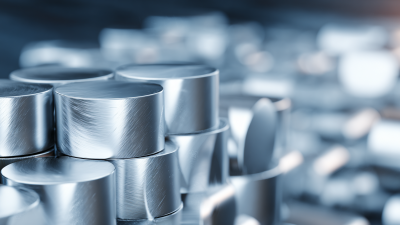
So, when you're picking out a 5083 Aluminum Plate, there are actually quite a few things you should keep in mind. Industry pro John Smith from Aluminum Solutions puts it simply: “Choosing the right grade really makes all the difference in how it performs.” This particular aluminum plate is pretty popular because it resists corrosion really well and can handle a lot of stress without failing. That’s why it’s often used in marine settings or for applications where strength and durability matter big time.
A lot of folks might overlook some of the smaller, but super important details—like thickness or how it’s processed. These little factors can really change how well the plate works for your project. The thing is, 5083 plates come in a bunch of different thicknesses, which can get pretty confusing if you’re not familiar with what you need. It’s easy to get overwhelmed!
Plus, thinking about what you actually need the plate for is key. Sure, price might be a concern, but cutting corners on quality can be a costly mistake in the long run. Sometimes, a slightly higher upfront investment in a better grade can save you a lot of headaches and money down the line because this stuff is built to last. Bottom line – take your time, do your homework, and make sure you choose the right one for your project. It’s all about getting it right from the start and avoiding costly regrets later on.
When selecting a 5083 aluminum plate, understanding its properties and specifications is crucial. This alloy boasts excellent corrosion resistance. It is particularly suitable for marine environments. The tensile strength reaches up to 315 MPa. This makes it strong yet lightweight. Additionally, the plate has a good weldability. It can withstand high stress during fabrication.
Tips: Consider the thickness of your aluminum plate. Thicker plates offer better durability but increase weight. Lightweight options provide ease of handling.
The 5083 alloy also provides a balance of strength and formability. It has a suite of properties ideal for various applications. However, it can be a bit more challenging to machine than other alloys. Cutting tools should be properly calibrated to avoid wear.
Tips: Always test a small sample before full-scale machining. This allows you to refine your approach and reduce waste. Understanding the application needs is essential.
When selecting a 5083 aluminum plate, understanding your project requirements is crucial. Start by assessing the specific application. Will the plate be used in marine environments? If so, corrosion resistance becomes a top priority. 5083 aluminum offers excellent resistance, but you should consider the thickness required for structural integrity.
Next, evaluate the mechanical properties essential for your project. Are you looking for good weldability or strength? 5083 is known for its high strength and good weldability, but not all applications may need these features. Identify the load the plate will sustain. Will it undergo heavy stress or vibration? Ensure you take accurate measurements to avoid compromises in safety.
Also, think about the dimensions you need. Sometimes, it’s easy to overlook the size specifications. A plate that seems perfect may not fit your design. Factor in cutting and machining needs as well. Precision is key, and even small mistakes can lead to larger issues down the line. Reflect on all these elements. Recognizing your project's unique demands will guide you toward the best choice.
When selecting 5083 aluminum plates, examining the different alloys and grades is crucial. 5083 aluminum is known for its strength and corrosion resistance. However, not all grades are equal. Some offer better weldability while others excel in toughness. For marine applications, the grade is often paramount.
One key alloy variation within the 5083 series is 5083-H111. This grade has undergone some treatment, enhancing its performance for structural applications. It’s important to ask specific questions about the intended use. Will it be exposed to saltwater? Understanding the environment can guide you toward the right choice. Consider the thickness and surface finish too.
It's worth noting that not every supplier will provide an in-depth analysis of their products. Often, you may find discrepancies in specifications. Relying only on general data may lead to mismatches in project needs. Take the time to reflect on each option. Don’t hesitate to ask for samples or conduct strength tests if possible. Making an informed choice involves more than surface-level attributes.
When selecting a 5083 aluminum plate, thickness and size options are critical factors. The thickness impacts strength and weight. Thicker plates are sturdier but also heavier. A plate too thick for the application can complicate handling. Conversely, a thin plate may not provide the necessary support. Consider the specific requirements of the project. Narrowing down the thickness helps in creating a more efficient design.
Size is another important consideration. Aluminum plates come in various dimensions. You will need to assess your project needs carefully. A larger plate may require more processing but can cover more area efficiently. On the other hand, smaller plates are easier to manage and install. Keep in mind the limitations of your workspace. Sometimes, projects expand unexpectedly, making it crucial to have the right size.
Reflect on the balance between strength and weight. Evaluating thickness and size is not a one-time task. Changes in design can alter initial choices. Sometimes, the ideal thickness may limit your options. It's essential to remain flexible. This might lead to adjustments that enhance functionality and performance. Adjusting thickness and size as needed is part of the design journey.
When selecting 5083 aluminum plates, surface treatments and coatings play a critical role. The right finish can enhance corrosion resistance and durability. According to industry reports, nearly 60% of aluminum failures are due to inadequate surface protection. This highlights the importance of proper coating choices.
Common surface treatments for 5083 aluminum include anodizing, painting, and powder coating. Anodizing creates a protective layer that defends against environmental damage. This process can increase hardness and improve wear resistance. However, its effectiveness varies based on the thickness of the anodized layer. A thinner layer may not provide sufficient protection for all applications.
On the other hand, powder coating offers a range of aesthetic options. It can produce vibrant colors and textures but may not always resist scratches. Research indicates that while powder-coated surfaces are visually appealing, they can wear down faster in harsh environments. Coating lifespan is a crucial consideration. It's essential to balance aesthetics with functional durability. Each choice has its strengths and weaknesses, often leaving users wondering which best suits their specific needs.
When selecting the best 5083 aluminum plate, supplier reputation is paramount. A supplier’s history can indicate the reliability of their products. Customers often share their experiences online. Check forums and review sites. These insights can be invaluable. Aim for suppliers with a strong track record in the industry.
Certifications are another crucial aspect to consider. Look for standards that assure quality, such as ISO certifications. These documents show that a supplier adheres to industry benchmarks. It gives peace of mind knowing you are sourcing materials from trusted sources.
Tip: Always ask for documentation. It is essential in verifying the quality of materials.
Not all suppliers are transparent in their practices. Some might provide generic claims without backing them up. Be cautious of overly-promising content. Review their certifications and ask questions.
Tip: Reach out directly to suppliers. A prompt response can reflect their commitment.
A reputable supplier might have too many clients to offer personal attention. This can lead to concerns about reliability. A balance of quality and customer service is crucial for a successful project.
When budgeting for a 5083 aluminum plate project, several factors come into play. The price can vary significantly based on thickness, dimensions, and market demand. It’s essential to obtain quotes from multiple suppliers. This helps guarantee that you’re not overpaying. However, don’t always go for the lowest price; quality matters. A cheap plate may not meet your project’s strength requirements.
Besides material costs, consider additional expenses. Transportation fees can add up quickly, especially for larger plates. Fabrication costs should also be factored in. If you need specific machining, this will increase the budget. Often, underestimating these expenses leads to budget overruns.
Keep a flexible budget. Prices can fluctuate due to economic factors. Be prepared to reassess your budget regularly. Staying informed about market trends will aid in making better decisions. Lastly, consider the long-term value of the material. Investing in a high-quality 5083 aluminum plate might seem costly initially, but it can save you money in repairs and early replacements down the line. Balancing cost with quality and durability is key.
| Property | Value | Cost Impact (per kg) | Recommended Use |
|---|---|---|---|
| Thickness | 3 mm | $3.20 | Marine Applications |
| Thickness | 6 mm | $3.50 | Structural Components |
| Thickness | 10 mm | $4.00 | Machinery Parts |
| Thickness | 12 mm | $4.50 | Industrial Applications |
| Thickness | 20 mm | $5.00 | Heavy Equipment |
: Assess the project requirements. Focus on application, environment, and load specifications.
Thickness affects strength and weight. Thicker plates are sturdier but harder to handle.
Size impacts processing and installation. Larger plates cover more area, while smaller ones are easier to manage.
Consider strength and weldability. Not all projects need high strength; tailor your choice to application demands.
It can be challenging to machine. Use calibrated cutting tools to reduce wear and improve efficiency.
Always double-check dimensions. Even small mistakes can cause significant issues later in the process.
Be flexible with your initial choices. Adjust thickness and size as designs evolve for better performance.
Yes, testing a small sample helps refine techniques and minimizes waste during production.
Choosing the right 5083 aluminum plate for your project requires a comprehensive understanding of its properties and specifications. This includes evaluating the specific project requirements, which can dictate the necessary alloy and grade of the aluminum plate. Different thicknesses and sizes of 5083 aluminum plates are available, making it essential to assess which will best meet your needs.
Additionally, consideration of surface treatments and coatings can enhance the performance and longevity of the aluminum plates. A review of supplier reputations and certifications is crucial for ensuring quality assurance. Lastly, budgeting and cost considerations play a significant role in the selection process. By carefully evaluating these factors, you can successfully choose the best 5083 aluminum plate for your project.