0%

Picking the right aluminum plate supplier in 2026 isn’t just about comparing prices online. Trust me, you really need a supplier who’s dependable—someone who offers the right specs and can get the material to you on time, in line with your production schedules. You might glance at a plate in the warehouse and think it’s fine, but things like its temper, flatness, or surface finish can totally impact how well it machines and fabricates. So, it’s worth digging a little deeper.

This guide takes a look at some leading players like Ryerson, Kloeckner Metals, Metal Supermarkets, and OnlineMetals. Just a heads up—what they offer can vary depending on where you are, what products you need, and how much you’re ordering. Some are great for broad distribution, while others cater to manufacturers who really need precise cuts and technical support. So, don’t just settle—do your homework. Things like alloy choices, thickness tolerances, mill test certificates, protective packaging, and how responsive their customer service is—all these little details can make a big difference. For instance, a clearly labeled 6061-T6 plate should come with proper documentation, not just vague assurances.

The best suppliers are the ones who not only have a wide inventory but also know their stuff. They can tell you whether 5052 is better for bending than 6061, or if a saw-cut edge needs some extra machining. And don’t forget about delivery—things like a well-wrapped pallet, dry storage to prevent rust, and precise dimensions help avoid costly delays. Honestly, it’s the small details that count.

Keep in mind, the market’s always on the move. Prices, lead times, and stock levels can change pretty fast in 2026. So, think of this guide as a starting point, not the final word. Always double-check current certifications, regional availability, minimum order sizes, and return policies before you place an order. Reputation is important, but verified performance? That’s what really counts.

What Are the Top Aluminum Plate Stock Suppliers in 2026?

What Is Aluminum Plate Stock and Why Does Supplier Choice Matter?

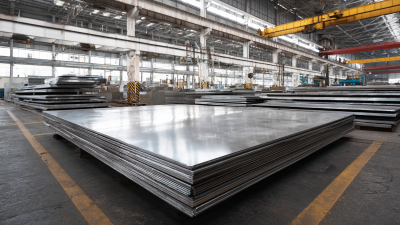
Aluminum plate stock is flat, rolled aluminum material supplied in standard or cut-to-size sheets. It commonly serves aircraft components, transport frames, molds, tanks, and industrial panels. Thickness, alloy, temper, width, length, and surface condition define its suitability. A plate that looks perfect may still fail after welding, bending, or machining.

Supplier choice matters because material consistency affects every later process. Reliable suppliers provide mill certificates, traceable heat numbers, accurate dimensions, and clear temper information. They should also explain tolerances instead of hiding behind broad specifications. During receiving inspection, buyers should check plate thickness at several points, examine edges for cracks, and compare labels with test documents. Packaging deserves attention too. Wet wrapping or damaged corners can create expensive problems before fabrication begins.

The top aluminum plate stock suppliers in 2026 are not simply the cheapest sources. Strong candidates maintain stable inventories, publish realistic lead times, and offer technical support when an alloy is uncertain. They can discuss cutting waste, minimum order quantities, and replacement procedures. Ask for samples when surface quality matters. Small details count. Still, supplier claims require verification. Certificates can be complete yet fail to describe every property your project needs. A practical purchasing review should include recent delivery records, independent inspection options, and written responses to technical questions. Price remains important, but it should not outweigh traceability, dimensional control, or dependable communication.

What Are the Top Aluminum Plate Stock Suppliers in 2026?

Aluminum plate stock is flat aluminum material supplied in standardized alloys, tempers, thicknesses, and dimensions. Supplier selection matters because certification, dimensional accuracy, surface condition, flatness, traceability, and delivery reliability can affect fabrication quality and project cost.

The chart compares representative densities of widely used aluminum plate alloys. Actual values may vary slightly by chemistry, temper, and applicable material standard. Lower density can reduce weight, while alloy selection should also consider strength, corrosion resistance, weldability, and availability.

How to Evaluate Aluminum Plate Stock Suppliers in 2026

In 2026, the top aluminum plate stock suppliers are not simply the cheapest sources. They prove consistency across chemistry, dimensions, delivery, and documentation. A serious evaluation begins with your application. Structural frames need different alloy and temper control than machined base plates. Ask for current mill test certificates, heat numbers, and a clear chain of traceability. Check whether certificates match the delivered bundle, not only the quotation. Small mismatch, big problem.

Request samples cut from normal production stock. Measure thickness, width, length, flatness, surface marks, and edge condition. Compare results with stated tolerances and your drawing. Supplier experience becomes visible here. Can the technical team explain warping after cutting? Can it recommend packaging for long-distance transport? Ask about minimum order quantities, reserved inventory, emergency replenishment, and realistic lead times. A polished sales answer is not evidence. Written performance data is stronger.

Evaluate quality systems, inspection equipment, corrective-action records, and independent audits. Confirm that the supplier follows applicable material and trade requirements in your market. Responsible sourcing also includes recycled-content claims that can be verified. Review packaging carefully. Dry wrapping, corner protection, labels, and corrosion prevention should survive storage. Price still matters, but compare total cost after cutting loss, inspection, delays, and rejected plates. No supplier is perfect. I would leave room for a trial order, because spreadsheets rarely reveal every handling weakness.

Which Suppliers Offer the Best Aluminum Plate Selection?

Choosing the best aluminum plate supplier in 2026 starts with selection, not advertising. A useful catalog should cover common alloys, tempers, thicknesses, and cut sizes. Look for 5052 plate for corrosion resistance, 6061 for machining, and 5083 for demanding marine environments. The strongest suppliers also provide cast and rolled plate options. That difference matters.

Experienced buyers should check more than alloy names. Reliable suppliers provide mill test certificates, heat numbers, chemical analysis, and mechanical property data. Ask whether each plate can be traced from production to delivery. Small errors matter. Thickness tolerance, flatness, surface condition, and edge quality can affect fabrication costs. A supplier with technical staff can recommend suitable tempers instead of simply quoting the cheapest sheet.

Availability is another measure of selection quality. A large inventory may include standard sizes, but custom cutting can reduce waste and shipping damage. Confirm minimum order quantities, cutting tolerances, protective wrapping, and realistic lead times. I have found that broad online catalogs can sometimes hide limited physical stock. Ask for proof before planning production. Samples can reveal surface marks or warping that photographs miss. A dependable supplier should explain limitations clearly, including substitutions or delayed heat lots. That honesty is useful, although it may slow the buying decision. The best choice combines material range, documented quality, practical support, and consistent delivery rather than the longest product list.

How Do Pricing, Lead Times, and Minimum Orders Compare?

In 2026, the strongest aluminum plate stock suppliers compete through transparent pricing, dependable lead times, and flexible minimum orders.

Stockholding distributors usually offer common alloys and thicknesses from one sheet upward. Their prices may be higher, but delivery can take two to five business days. This suits repair shops and small fabricators facing urgent deadlines.

Large service centers often provide better pricing for pallet quantities. Their lead times commonly range from one to three weeks, depending on cutting, certification, and freight schedules. Direct mill orders can reduce the price per kilogram further, especially for repeat purchases. However, minimum orders may reach several tons, with production windows of four to eight weeks. That is not always practical.

A low unit price can become expensive when storage, handling, and cash flow are included.

A reliable comparison should request the same alloy, temper, thickness tolerance, surface finish, and cut dimensions from every supplier. Check whether prices include packaging, saw cutting, testing documents, and delivery. Ask for lot traceability and material certificates. These details reveal more than a headline quotation.

Lead times should be confirmed in writing, because “available” may mean mill stock rather than local stock. I have seen purchasing plans fail after overlooking this difference. Minimum orders also deserve careful review. Some suppliers accept mixed sizes, while others require full bundles. Flexible terms may justify a slightly higher price, particularly when demand is uncertain.

Mistakes happen. Rechecking the landed cost before approval remains worthwhile.

What Quality Standards and Certifications Should Buyers Check?

When comparing aluminum plate stock suppliers in 2026, buyers should verify standards before comparing prices.

ASTM B209 and EN 485 define important requirements for aluminum plate products. The correct standard depends on alloy, temper, thickness, and intended application. Ask for a current material certificate, not a recycled specification sheet. A reliable certificate should identify the heat number, alloy, temper, dimensions, and test results. For traceability, EN 10204 Type 3.1 documentation is useful for demanding projects. Check whether the certificate belongs to the exact shipment.
Small mismatch, big risk.

A supplier’s ISO 9001 certification can indicate controlled processes, but it does not guarantee perfect plate. Review the certificate scope, issuing body, validity dates, and manufacturing locations. Buyers should also request chemical composition and mechanical test data. Inspect thickness tolerance, flatness, edge condition, and surface marks during receiving. Photographs help, but calibrated measurements are stronger evidence. For aerospace, marine, pressure, or structural work, application-specific approvals may be necessary. Do not accept “certified material” without identifying the certification and its limits. In practical inspections, paperwork can look complete while batch traceability remains unclear. That weakness deserves a written correction before purchase.

How Can Businesses Choose the Right Supplier for Their Needs?

What Are the Top Aluminum Plate Stock Suppliers in 2026?

How Can Businesses Choose the Right Supplier for Their Needs?

Choosing an aluminum plate supplier in 2026 requires more than comparing prices. Strong suppliers provide accurate alloy certification, consistent thickness, and traceable batch records. Ask whether test reports come with every shipment. This matters. A plate used for frames, transport equipment, or industrial tooling must match the design requirements. Experienced buyers should also inspect cutting accuracy, surface condition, packaging, and delivery performance. A supplier may offer excellent material but struggle with urgent orders. That weakness can affect production quickly.

Evaluate the supplier’s technical knowledge. Can its staff explain temper conditions, machining behavior, and corrosion resistance clearly? Request samples before placing a large order. Check the edges for burrs, measure thickness at several points, and compare the certificate with the delivered material. Reliable suppliers usually maintain documented quality systems and respond quickly when specifications change. Still, no supplier is perfect. We once treated a low quote as a major advantage, but storage fees later changed the real cost. That mistake deserves attention.

Tips: Build a simple scorecard for quality, lead time, minimum order quantity, communication, and total cost. Confirm whether the supplier stocks common sizes or cuts plates to order. Discuss replacement procedures before problems occur. Ask for realistic delivery dates, not optimistic promises. Local inventory can reduce delays, while imported stock may provide wider alloy choices. Review the supplier after each project, even when the order succeeds. Small issues often become expensive patterns.

FAQS

What is aluminum plate stock?

Aluminum plate stock is flat, rolled material supplied in standard or custom-cut sheets. It supports aircraft parts, transport frames, molds, tanks, and industrial panels. Thickness, alloy, temper, size, and surface condition determine suitability. Looks can mislead.

Why does supplier choice matter?

Material consistency affects welding, bending, machining, and final performance. A dependable supplier provides certificates, traceable heat numbers, and accurate dimensions. They should explain tolerances clearly. Cheap material can become expensive later.

Which details should buyers confirm before ordering?

Confirm the alloy, temper, thickness, width, length, and surface finish. Request the required tolerance and cut dimensions in writing. Check whether packaging, testing documents, and delivery are included. Small details matter.

How should aluminum plates be inspected when received?

Measure thickness at several points across each sheet. Inspect edges for cracks, dents, and damaged corners. Compare labels with certificates and heat numbers. Wet wrapping deserves attention because moisture can damage surfaces.

How quickly can common aluminum plate stock be delivered?

Stockholding distributors may deliver common sizes within two to five business days. Service centers often need one to three weeks for cutting and certification. Direct mill orders may require four to eight weeks. “Available” needs clarification.

How do minimum order quantities affect purchasing?

Small distributors may sell one sheet or a few cut pieces. Large facilities may offer better prices for pallet quantities. Direct production orders can require several tons. Storage and cash flow can outweigh a lower unit price.

How should buyers compare supplier prices?

Request identical alloy, temper, thickness tolerance, finish, and cut dimensions. Check packaging, certificates, testing, freight, and cutting charges. Compare the complete delivered cost, not only the price per kilogram. I might overlook handling costs.

What makes a supplier technically dependable?

Dependable suppliers maintain realistic inventory information and written lead times. They answer technical questions with specific documents. They can discuss replacement procedures, cutting waste, and mixed-size orders. Claims still need checking.

When should buyers request samples or independent inspection?

Request samples when surface quality, appearance, or machining behavior matters. Consider independent inspection for valuable or critical orders. Review recent delivery records before approving a supplier. Certificates may not cover every needed property.

Conclusion

This guide explains what Aluminum Plate Stock is and why choosing the right supplier can affect product quality, production efficiency, and overall costs. It outlines the key factors buyers should consider in 2026, including alloy and thickness selection, dimensional accuracy, surface condition, processing capabilities, inventory availability, customer support, and delivery reliability. A suitable supplier should offer a broad range of plate options that match the technical and application requirements of different industries.

The article also compares how pricing, lead times, and minimum order quantities can influence purchasing decisions. It highlights the importance of checking quality systems, material traceability, testing documentation, and relevant certifications before placing an order. By balancing product selection, quality assurance, logistics, pricing, and long-term service, businesses can identify an Aluminum Plate Stock supplier that supports their operational needs while reducing delays, waste, and procurement risks.

Charlotte

Charlotte

Charlotte is a skilled marketing professional at Shanghai Miandi Metal Group Co., Ltd., specializing in the distribution of aluminum products ranging from the 1000 series to the 8000 series. With a deep understanding of the industry, she plays a crucial role in showcasing the company’s extensive......
Previous How to Choose Top Aluminum Rod Manufacturers in China?