
In the fast-paced world of aluminum production and sales, it’s really important for folks in different industries to stay on top of the latest trends affecting Aluminum Tube Prices. A recent report from the Aluminum Association mentioned that globally, the demand for aluminum tubes is expected to grow by about 5% every year. This uptick is mainly because these tubes are becoming more popular in fields like aviation, aerospace, and shipbuilding — you know, places where lightweight and durable materials are a must. As industry expert Dr. Emily Carter pointed out, “The swings in Aluminum Tube Prices are driven by a bunch of factors—like the cost of raw materials, how much we can produce, and what’s happening in the worldwide market.”
Here at Shanghai Miandi Metal Group Co., Ltd., we’re right in the middle of this changing scene. We distribute a wide variety of aluminum products, from the 1000 series all the way to the 8000 series, including tubes, plates, and rods. These products are super important for industries that need lightweight yet tough materials, which is why keeping an eye on Aluminum Tube Prices really matters. Experts are saying that by 2025, demand for aluminum could surpass what’s available, so understanding these trends isn’t just interesting — it’s crucial if you want to stay ahead of the game. As we explore the top five trends influencing Aluminum Tube Prices, we’ll share industry insights and forecasts that could help you find new strategies for growth and optimization.

Impact of Global Demand Fluctuations on Aluminum Tube Prices in 2025
In 2025, global demand fluctuations are poised to significantly influence aluminum tube prices, primarily driven by economic growth in emerging markets and shifts in consumer preferences towards sustainable solutions. According to a report by Custom Market Insights, the demand for green aluminum is projected to expand as industries increasingly focus on eco-friendly practices. This demand surge is anticipated to contribute to a tighter supply chain for aluminum products, which could result in higher prices in the aluminum tube market.
Furthermore, the packaging tubes market is expected to experience substantial growth, increasing from USD 6.2 billion in 2025 to an estimated USD 11.8 billion by 2035, reflecting a robust CAGR of 6.6%. This growth is fueled not only by the booming demand for aluminum in packaging but also by the rising applications of aluminum tubes across various sectors. As industries adapt to the evolving market landscape, the interplay between production costs, tariffs, and global demand will be critical in shaping the trajectory of aluminum tube prices.
2025 Top 5 Trends Impacting Aluminum Tube Prices: Industry Insights and Forecasts
| Trend | Impact on Prices (%) | Description | Timeframe |
|---|---|---|---|
| Increased Global Demand | 10% | Rise in demand from industries such as automotive and aerospace. | 2025 |
| Technological Advancements | 5% | Improvements in manufacturing processes leading to reduced costs. | 2024-2025 |
| Regulatory Changes | 8% | New environmental regulations affecting production costs. | 2025 |
| Geopolitical Tensions | 12% | Conflicts affecting supply chains and raw material availability. | 2025 |
| Sustainability Initiatives | 6% | Shift towards eco-friendlier materials increasing costs. | 2024-2025 |


Maximizing Value: Analyzing the Cost-Effectiveness of Low Price High Quality Naval 7075 T6 T651 Aluminium Sheets in Aerospace and Marine Industries
The aerospace and marine industries are increasingly prioritizing materials that offer both high performance and cost-effectiveness. Among these, the 7075 T6 T651 aluminum sheets stand out due to their exceptional mechanical properties and lightweight attributes. With a diameter range from 1 to 500mm, these sheets provide manufacturers with versatile solutions that can be tailored to meet specific design requirements. The T6 temper, achieved through heat treatment, enhances the strength of the aluminum, making it ideal for applications that demand rigidity and durability under extreme conditions.
In evaluating the cost-effectiveness of 7075 T6 T651 aluminum sheets, it becomes clear that the benefits extend beyond just initial procurement costs. Their superior strength-to-weight ratio contributes to reduced fuel consumption in aircraft and vessels, promoting long-term savings for operators. Furthermore, the resistance to corrosion inherent in this aluminum alloy makes it a reliable choice for marine environments, minimizing maintenance costs and downtime. Thus, investing in high-quality, low-priced aluminum sheets not only satisfies budget constraints but also aligns with sustainability objectives in both aerospace and marine sectors.

FAQS
: Technological innovations such as the adoption of inert anode technology, which reduces carbon emissions by up to 95% and enhances efficiency, are significantly influencing aluminum production costs.
Additive manufacturing allows for the creation of complex aluminum structures with less material waste, revolutionizing traditional production processes and supporting innovation while reducing costs.
The global market for aluminum is projected to reach approximately $367.3 billion by 2030, growing at a compound annual growth rate (CAGR) of 6.9% from 2023.
Supply chain disruptions, such as the COVID-19 pandemic, natural disasters, and geopolitical tensions, contribute to fluctuations in aluminum tube pricing due to delays in raw material delivery and increased transportation costs.
Manufacturers are adapting to supply chain disruptions by diversifying suppliers, investing in inventory management technologies, and adjusting pricing models to maintain profitability.
Regional consumption patterns and production efficiencies are critical factors influencing aluminum tube pricing, as seen in the projected growth rates of markets in North America, the GCC, and Africa.
The aluminum tube market is expected to experience growth due to the emergence of cost-effective materials and production techniques, as well as increased demand for aluminum alternatives.
Geopolitical tensions can exacerbate price volatility in aluminum due to their impact on sourcing strategies and tariffs, influencing manufacturers' pricing strategies and supply chain approaches.
The GCC's aluminum tube and pipe market is projected to experience a volume CAGR of 1.7% through 2035.
The Africa aluminum alloy tube market is expected to witness a CAGR of 2.1% from 2024 to 2035, reflecting the global interconnectedness of aluminum pricing driven by regional demands.
Conclusion
The article titled "2025 Top 5 Trends Impacting Aluminum Tube Prices: Industry Insights and Forecasts" explores critical factors influencing Aluminum Tube Price in the upcoming year. It highlights how fluctuations in global demand significantly affect pricing, particularly with increasing consumption driven by renewable energy initiatives. Technological advancements in aluminum production are also noted for their impact on cost structures, potentially leading to more competitive pricing strategies.
Moreover, the article discusses supply chain disruptions and how they can influence the availability and pricing of aluminum tubes. Regulatory changes and environmental policies are also crucial, as they reshape industry dynamics and cost implications. Finally, market predictions assess the role of key industry players in shaping trends in Aluminum Tube Price, providing a comprehensive overview for stakeholders in the aluminum sector.
Related Posts
-
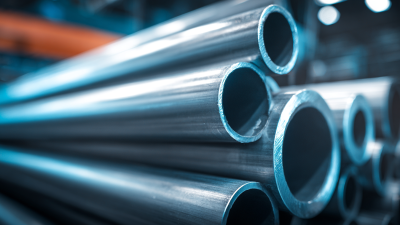
Understanding the Unique Benefits of 6061 T6 Aluminium Tube for Global Buyers
-

How to Effectively Work with Customize 6082-T6 Aluminum Bar for Your Projects
-

The Ultimate Guide to Aluminum Angle Bars: Applications, Benefits, and Usage Tips
-
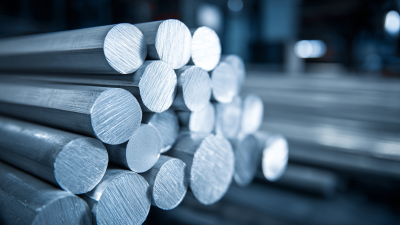
Ultimate Guide to Selecting Your Perfect Customize 6082 Aluminum Bar
-

What Makes 5083 Aluminum Plates a Preferred Choice in Industries
-
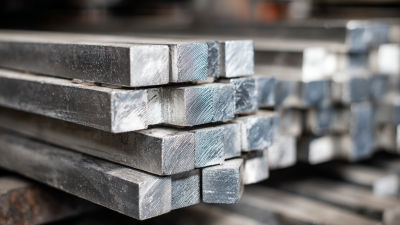
7 Tips for Choosing the Best 5052 Aluminum Bar Manufacturer in 2023
