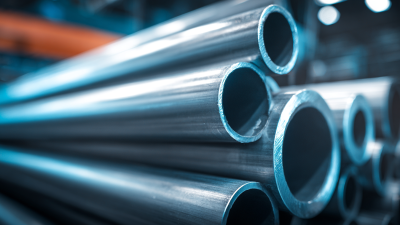
In today’s super fast-moving world, Sheet Aluminum really stands out because of how versatile it is. It’s a key player in so many industries and everyday situations—hard to imagine life without it. John Miller, who’s a top expert at Aluminum Innovations, puts it simply: “The only limit to what Sheet Aluminum can do is our own imagination.” That really hits home across all sorts of uses.
You’ll see it everywhere—from big construction projects to cars on the road. People love it because it’s lightweight but tough as nails. And even in your kitchen, aluminum foil proves just how adaptable it is—keeping food fresh and making cooking a whole lot easier. That said, we can’t ignore the environmental side of things—producing aluminum isn’t exactly eco-friendly. Some folks tend to focus on the good stuff without thinking much about the challenges.
Looking ahead, the future of Sheet Aluminum seems pretty promising thanks to new innovations. But we’ve gotta keep an eye on how it’s made. Finding that sweet spot between being efficient and being sustainable is really important. By embracing fresh tech, we could improve how we use aluminum while also cutting down on its environmental impact. So, all in all, Sheet Aluminum has a lot of potential, but it also reminds us that we need to stay mindful about how we’re using and producing it.

Key Properties of Sheet Aluminum That Enhance Its Versatility
Sheet aluminum is praised for its impressive versatility across various sectors. This metal exhibits a remarkable strength-to-weight ratio. Its lightweight quality makes it ideal for applications in the automotive and aerospace industries. Engineers often utilize aluminum sheets to reduce vehicle weight, improving fuel efficiency and performance.
Durability is another key property that enhances sheet aluminum's appeal. It resists corrosion, making it suitable for outdoor use. Buildings often feature aluminum panels to withstand harsh weather while maintaining aesthetics. Aluminum's ability to be easily shaped and formed adds to its functionality. Different thicknesses can be produced to fit specific needs without compromising integrity.
Tips: When working with sheet aluminum, ensure proper handling to avoid surface scratches. Use protective gear while cutting or drilling. Always double-check measurements before making any cuts. This can save time and material.
Its conductive properties also make aluminum valuable in electrical applications. From circuit boards to housing for electronics, aluminum provides an efficient pathway for electricity. However, remember that while aluminum is great, it can be prone to dents. Careful installation and maintenance are vital to maintaining its appearance and function.
Common Industries Utilizing Sheet Aluminum: An Overview
Sheet aluminum is widely used across various industries. In the transportation sector, it is valued for its lightweight and corrosion resistance. According to recent data reports, the automotive industry is projected to utilize over 1.2 million metric tons of aluminum sheets by 2025. This material enhances fuel efficiency in vehicles.
The construction industry also relies heavily on sheet aluminum. It is popular for roofing, siding, and window frames. Reports show that aluminum can reduce energy consumption by up to 30% in buildings. However, the recycling rate for aluminum products remains a concern. Only about 75% of aluminum is recycled globally. This raises questions about sustainability practices in the industry.
In packaging, sheet aluminum is commonly used for food and beverage containers. The lightweight nature of aluminum reduces shipping costs. Yet, there are challenges in ensuring the material is fully recyclable. Many consumers still discard aluminum without proper recycling practices. It’s essential for industries to promote better recycling habits for sheet aluminum use.
Applications of Sheet Aluminum in Construction and Architecture
Sheet aluminum is widely used in construction and architecture due to its lightweight and strong properties. According to a report by the Aluminum Association, aluminum structures can reduce overall building weights significantly, improving energy efficiency. This reduction can lower costs and carbon emissions. Architects appreciate aluminum for its versatility and aesthetic appeal. Modern designs often incorporate aluminum for facade systems and roofing materials.
In urban settings, aluminum's reflective surface helps in temperature control. Studies show that buildings with aluminum facades maintain cooler indoor temperatures during summer months. In addition, its low-maintenance characteristics enhance sustainability. However, there are challenges in sourcing recycled aluminum. Excessive energy use in production and processing continues to raise concerns.
Moreover, the durability of aluminum is sometimes overstated. Environmental factors can affect its lifespan. Continuous exposure to harsh weather can lead to wear. Despite these issues, the potential of sheet aluminum in architecture remains significant, emphasizing the need for ongoing innovation.
The Role of Sheet Aluminum in Automotive Manufacturing
The automotive industry increasingly relies on sheet aluminum for various applications. In vehicles, lighter materials lead to better fuel efficiency and lower emissions. In fact, the use of aluminum can reduce vehicle weight by up to 50%. This significant reduction enables manufacturers to comply with stringent environmental regulations.
Using aluminum in car body structures enhances safety, too. Its high strength-to-weight ratio offers strength during collisions. Reports show that cars using aluminum structures perform better in crash tests compared to traditional steel frames. However, challenges exist—recycling can be more complex, and welding aluminum requires specific techniques.
Tip: Consider using aluminum components during vehicle modifications. They can provide substantial weight reductions, improving overall performance.
Aluminum's versatility also plays a vital role in design. Its ability to be shaped into complex forms allows for innovative aesthetics and functionality. Nevertheless, some manufacturers struggle with cost implications. The initial investment in aluminum parts can be higher than that of steel. Yet, long-term savings on fuel and maintenance can offset these costs.
Tip: Always weigh the benefits of switching materials. Assess performance improvements against potential budget constraints.
Innovative Uses of Sheet Aluminum in Consumer Electronics
Sheet aluminum has transformed consumer electronics. Its lightweight and durable nature makes it a popular choice. You can find it in smartphones, laptops, and tablets. Aluminum casings protect devices while adding a sleek look. This metal offers excellent thermal conductivity. It helps with heat dissipation in electronics.
In addition to aesthetics, aluminum provides functionality. Devices equipped with aluminum casing are often lighter. This convenience is vital for portability. However, the production process of aluminum can raise environmental concerns. Recycling is crucial. Using recycled aluminum reduces energy usage and pollution.
**Tips:** Choose products with aluminum components. They tend to last longer. Look for items marked as recyclable. Always dispose of your electronics responsibly. This is essential for environmental health. Balancing innovation and sustainability is key in today's market.
Top Uses of Sheet Aluminum in Industry and Daily Life
| Application |
Industry |
Key Features |
Benefits |
| Automotive Parts |
Automotive |
Lightweight, high strength |
Improved fuel efficiency |
| Heat Exchangers |
HVAC |
Excellent thermal conductivity |
Enhanced energy efficiency |
| Electrical Enclosures |
Electronics |
Corrosion resistant |
Durability in harsh environments |
| Food Packaging |
Food Industry |
Lightweight, barrier properties |
Extended shelf life |
| Construction Materials |
Construction |
Strength and lightweight |
Reduced structural load |
| Consumer Electronics |
Electronics |
Aesthetically pleasing finish |
Modern design appeal |
Environmental Benefits of Using Sheet Aluminum in Various Sectors
Sheet aluminum is becoming increasingly popular in various sectors. Its lightweight nature and strong durability promote efficient designs in construction and manufacturing. Industries are transitioning to aluminum to enhance productivity and reduce waste. For instance, in automotive engineering, aluminum parts can significantly lower vehicle weight, improving fuel efficiency.
Utilizing sheet aluminum also fosters environmental benefits. The material is highly recyclable. Almost 75% of aluminum produced is still in use today, thanks to recycling. This reduces the need for raw material extraction, which is energy-intensive. Moreover, the production of aluminum can be optimized to lower greenhouse gas emissions. However, not all processes are equally eco-friendly. Some methods still need improvement.
In daily life, aluminum can be found in packaging, which reduces food spoilage. This plays a role in minimizing waste. But, single-use aluminum products pose a question. Are we recycling them sufficiently? Greater efforts in recycling programs could mitigate potential environmental issues. Reexamining how we use sheet aluminum could lead to a more sustainable future.
Future Trends in Sheet Aluminum Applications Across Industries
The future of sheet aluminum applications looks promising across various industries. This lightweight material will play a crucial role in automobile manufacturing, where strength and efficiency are key. Lightweight components can enhance fuel efficiency, reducing overall carbon emissions. However, not all manufacturers prioritize sustainable practices. There is a need for a more mindful approach to sourcing and production processes.
Another area to watch is the construction industry. Sheet aluminum can improve design flexibility and energy efficiency in buildings. Architects are increasingly using it for facades and roofing systems. The shiny surface reflects sunlight, aiding in temperature control. Yet, the recycling process for aluminum can be resource-intensive. Industry leaders must consider the lifecycle of materials used in their designs.
In consumer electronics, sheet aluminum is becoming a favorite for housings and frames. Many devices benefit from the sleek appearance and durability of aluminum. However, with the rise of e-waste, we must question how these materials are disposed of. Promoting a circular economy around aluminum products is essential for reducing environmental impact. As demand grows, so does the responsibility to innovate responsibly.
FAQS
: The product aims to enhance daily routines and improve overall well-being.
Using it consistently yields better results. Follow the provided instructions for best practices.
Some users may experience minor discomfort. Listening to your body is crucial.
It is generally safe to combine, but check compatibility. Mixing can yield unexpected outcomes.
Pregnant individuals or those with specific health conditions should consult a professional.
Keep it in a cool, dry place. Avoid direct sunlight to maintain its effectiveness.
Yes, everyone's experience may differ due to various factors. Patience is necessary.
Evidence suggests long-term commitment may enhance effectiveness. Short-term use might not meet expectations.
Some might need more time. Reflect on your approach and adjust if needed.
Users are encouraged to share experiences. Open dialogue helps to improve and grow.
Conclusion
Sheet aluminum is a highly versatile material that serves a multitude of applications across various industries and daily life due to its unique properties, such as lightweight, durability, and resistance to corrosion. In construction and architecture, it is commonly utilized for cladding, roofing, and structural components, providing both aesthetic appeal and functional benefits. The automotive industry also relies on sheet aluminum for manufacturing body panels and components, contributing to weight reduction and improved fuel efficiency.
Moreover, innovative applications of sheet aluminum can be found in consumer electronics, where it enhances product design and performance. Additionally, the environmental benefits of using sheet aluminum, such as its recyclability and energy efficiency, further underscore its importance across different sectors. As industries continue to evolve, future trends in sheet aluminum applications are expected to expand, driven by advances in technology and a growing emphasis on sustainable practices.