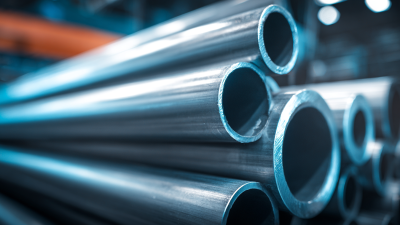
Aluminum extrusion has really become a go-to option for all sorts of projects lately. Its flexibility and strength make it a favorite in construction and manufacturing circles. Companies like XYZ Aluminum have tons of experience in this area, so they really know their stuff.
One thing I love about aluminum extrusion is how customizable it is. You can pretty much create unique profiles that fit your specific needs perfectly—it's a game-changer compared to other materials. Of course, it’s a good idea to think carefully about what your project actually requires, because not every design will work with aluminum extrusions. A little planning goes a long way!
Plus, aluminum is surprisingly lightweight but still super durable, which is great because it can cut down on shipping costs and make assembly a lot easier. But, honestly, some folks worry about how it’ll hold up over time in really harsh conditions. It’s also important to consider the environmental impact; making responsible choices matters. Talking with experts can really help you make the most of aluminum extrusion’s benefits while avoiding potential issues down the line.

Benefits of Aluminum Extrusion in Modern Manufacturing
Aluminum extrusion offers significant advantages in modern manufacturing. According to the Aluminum Association, the extrusion process allows for intricate shapes with precise tolerances. This flexibility leads to efficient designs, which are vital in sectors like automotive and aerospace. Extruded aluminum is 30% lighter than steel, translating to better fuel efficiency in vehicles.
Manufacturers value aluminum for its excellent corrosion resistance. This feature prolongs the lifespan of products, reducing the need for replacements and maintenance. In a report by the International Aluminum Institute, it was noted that aluminum recycling uses only 5% of the energy required for primary production, making it an eco-friendly choice.
Tip: Consider the design complexity early in the process. Efficient designs can save costs and enhance product performance.
The versatility of aluminum extrusion also presents challenges. Selecting the appropriate alloy and thickness can be complex. Inconsistent quality during manufacturing may occur if proper standards are not enforced. Regular audits and quality checks can mitigate these risks.
Tip: Collaborate closely with your extrusion supplier to ensure precise results. Open communication can enhance understanding of material properties and capabilities.
Understanding the Aluminum Extrusion Process
The aluminum extrusion process involves shaping aluminum into desired forms through a series of precise steps.
It begins by heating aluminum billets until they become malleable. This heat treatment is crucial, as it ensures the metal can be shaped effectively without breaking.
Once heated, the aluminum is pushed through a die, creating a continuous profile. The shape can vary greatly, from simple angles to complex geometric forms.
Cooling follows the extrusion. The newly shaped aluminum can be air-cooled or water-cooled, depending on its size and intended use. This step is essential for maintaining the properties of the material.
Post-cooling, the extrusions are cut to length and often undergo further processes, such as anodizing or painting, for added durability.
Throughout this process, precision is vital. Variations in temperature or pressure can significantly affect the final product.
Designers must pay attention to tolerances. Mistakes can lead to defects, which waste time and materials. A critical evaluation of each stage can improve the efficiency of production.
Understanding this process allows professionals to make informed decisions, ensuring high-quality outcomes in their projects.
Applications of Aluminum Extrusions Across Various Industries
Aluminum extrusions play a pivotal role in various industries, from automotive to aerospace. In the automotive sector, lightweight aluminum extrusions are increasingly used in vehicle frames and components. A recent industry report indicated that aluminum can reduce car weight by up to 50%. This reduction contributes to increased fuel efficiency and lower emissions, which is essential as regulations tighten worldwide.
In the construction industry, aluminum extrusions are favored for window frames, roofing systems, and structural elements. According to a study by the Aluminum Association, aluminum frames can enhance thermal insulation by 30%. This is vital for energy-efficient buildings and sustainable construction practices. However, the market faces challenges. While aluminum is sustainable, its production consumes significant energy and resources.
In electronics, the need for heat dissipation drives the demand for aluminum extrusions. Many manufacturers use aluminum heat sinks in their products. The versatility of aluminum allows for innovative designs that enhance functionality. However, sourcing aluminum raises ethical concerns about mining impacts. Balancing the benefits of aluminum with environmental considerations remains an ongoing discussion.
Comparative Analysis: Aluminum vs. Other Materials
When comparing aluminum to other materials, several key advantages emerge. Aluminum is lightweight, providing significant ease in handling and installation. Steel, while strong, is comparatively heavy, which can complicate logistics. Wood offers aesthetic appeal but lacks the durability aluminum provides. In harsh environments, aluminum resists corrosion, a benefit not seen with materials like iron, which can rust easily.
Cost-effectiveness is another critical factor. Although aluminum may have a higher initial cost, its longevity and low maintenance requirements often lead to savings over time. This makes it a smart investment for projects requiring durability. However, there are projects where aluminum might not be the best fit, particularly those requiring extreme strength.
Additionally, aluminum’s versatility allows for intricate designs. Unlike plastics, which may warp over time, aluminum can maintain its shape and structural integrity in various applications. That said, the recycling process of aluminum requires energy and effort, raising questions about sustainability. Choosing the right material involves weighing these factors carefully and understanding the specific requirements of your project.
Sustainability and Recycling of Aluminum Extrusions
Aluminum extrusion is a great choice for your projects, especially due to its sustainability. Aluminum is infinitely recyclable. This means it can be reprocessed without degrading its quality. When projects use recycled aluminum, they help reduce the demand for virgin materials. This leads to lower energy consumption and fewer emissions.
Tips: Always look for suppliers who prioritize recycled materials. Ensure that the aluminum you use comes from reputable sources. Check if they have sustainability certifications.
Recycling aluminum requires only 5% of the energy needed to produce new aluminum. This significant reduction means that buildings or products made from recycled aluminum contribute less to pollution. However, many still dispose of aluminum incorrectly. Education on proper recycling practices is vital.
Tips: Launch a campaign to inform your team about aluminum recycling. Visual reminders in workplaces can reinforce good habits. Encourage feedback, as it helps improve recycling efforts.
Choosing aluminum extrusion not only enhances durability in your projects but also supports a circular economy. Though we have made progress, constant reflection is necessary to ensure efficiency in consumption and recycling.
Why Choose Aluminum Extrusion for Your Next Project? - Sustainability and Recycling of Aluminum Extrusions
| Dimension |
Environmental Impact |
Recycling Rate (%) |
Energy Savings (%) |
Lifespan (Years) |
| Standard Aluminum Extrusion |
Low carbon footprint due to recycling |
75% |
95% |
50+ |
| Anodized Aluminum Extrusion |
Enhanced corrosion resistance; longer lifespan |
80% |
90% |
60+ |
| Powder Coated Aluminum Extrusion |
Variety of finishes; low maintenance requirements |
70% |
85% |
40+ |
| Heat Sink Extrusions |
Efficient thermal management; recyclable |
90% |
88% |
30+ |
Cost-Effectiveness of Aluminum Extrusion in Projects
Aluminum extrusion offers a compelling choice for project managers focused on budget efficiency. According to the Aluminum Association, aluminum’s lightweight nature can reduce shipping costs by up to 30%. This is critical in large projects where transportation expenses significantly impact overall budgets. Its malleability also allows for complex designs without the need for extensive tooling, further lowering initial investment costs.
Moreover, aluminum’s durability leads to reduced maintenance expenditures over time. The industry reports show that aluminum structures can last over 50 years with minimal upkeep. This longevity translates into long-term savings that can outweigh initial material costs. However, it’s important to recognize that not all extrusion processes yield the same results. Variability in methods and suppliers can affect quality and overall project budget. Evaluating different extrusion techniques or suppliers may reveal unforeseen costs that could impact project timelines.
Additionally, market fluctuations can influence aluminum prices. Recent reports indicate that while prices have stabilized, they can still be unpredictable. Project managers should account for potential price changes in their budgets. This highlights the need for careful planning and supplier negotiation. Balancing cost-effectiveness with quality and reliability is essential to ensuring project success while utilizing aluminum extrusion.
Design Flexibility and Customization Options in Aluminum Extrusion
Aluminum extrusion offers remarkable design flexibility, making it a favored choice in various industries. The process allows for intricate shapes and profiles, tailored precisely to meet your project's needs. You can create lightweight yet durable components that fit seamlessly into your designs. Customization is straightforward. Select different alloys and finishes to enhance visual appeal and functionality.
With aluminum extrusion, you can experiment with dimensions and geometry. This adaptability can lead to innovative solutions you may not achieve with other materials. However, challenges may arise in complex designs. Sometimes, limits in extrusion tooling can hinder the realization of specific ideas. Balancing design aspirations with practical constraints is vital.
Each project stands to benefit from the unique options aluminum provides. You might discover that what seems like a small change can lead to significant improvements. Reflecting on your design processes can help identify where aluminum truly shines. Embracing this material could lead to unexpected innovations and enhancements. It's essential to remain open to exploring its potential fully.
Conclusion
Aluminum extrusion offers numerous benefits for modern manufacturing, making it an ideal choice for various projects. This process involves shaping aluminum into specific profiles, allowing for high design flexibility and customization options that cater to unique project requirements. The lightweight yet durable nature of aluminum completes its appeal, enabling its widespread applications across numerous industries such as automotive, construction, and electronics.
Moreover, aluminum extrusion stands out when compared to other materials due to its cost-effectiveness and sustainability. The ability to recycle aluminum minimizes environmental impact while maintaining performance standards. Overall, embracing aluminum extrusion in manufacturing not only supports innovative design and production but also aligns with sustainable practices, positioning it as a smart choice for future projects.