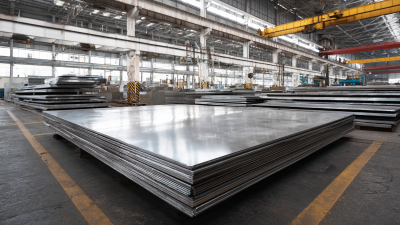
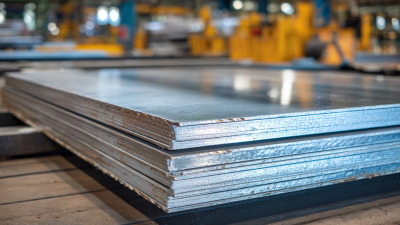
When you're starting to think about materials for a new project, loads of options pop into your head. But one that really catches the eye is Aluminum Plate — it’s pretty impressive for a bunch of reasons. It’s super versatile, known for being both strong and lightweight at the same time. That's why industries like aerospace, automotive, and construction are always reaching for it.
Plus, Aluminum Plate has this great resistance to rust and corrosion, which makes it last longer, especially in tough environments. Companies like Aluminum Innovations swear by it because of how reliable and high-performing it is. But hey, is it always the best pick?
Some folks might raise an eyebrow about the cost or how easy it is to get hold of. Sure, aluminum can be pricier than steel, for example, but in the end, the long-term perks often outweigh the initial expense. Picking the right material really needs some thoughtful consideration. Getting to know the ins and outs of Aluminum Plate can help you make smarter, more confident choices for your project.

Benefits of Using Aluminum Plate in Construction Projects
Aluminum plates are increasingly popular in construction projects due to their unique benefits. Their lightweight nature allows for easier handling and installation, significantly reducing labor costs. According to a recent industry report, aluminum can weigh 60% less than steel, making transportation simpler. Furthermore, aluminum's resistance to corrosion enhances its longevity, resulting in lower maintenance expenses.
When selecting materials, consider energy efficiency. Aluminum plates provide excellent thermal conductivity, minimizing energy loss. This is essential in modern building design, where efficiency is paramount. An independent study concluded that structures using aluminum can reduce energy consumption by up to 30%.
Tip: Always factor in the project's specific needs when choosing materials. Think about the environment, local climate, and intended use.
Another aspect is safety. Aluminum plates have a high strength-to-weight ratio, ensuring structural integrity without unnecessary load. However, the initial cost of aluminum can be higher than other materials. Weighing the long-term savings against upfront expenses is crucial.
Tip: Seek expert advice when evaluating options for your project. They can provide insights based on real-world applications and data.
Key Properties of Aluminum Plate Material
Aluminum plates are gaining popularity in various industries due to their unique properties. One of the key advantages is their lightweight nature. This makes them easier to handle and transport. In construction, this can reduce labor costs and improve efficiency. Additionally, aluminum is resistant to corrosion, which extends the lifespan of products made from it.
The material's malleability is another essential property. It can be easily shaped and customized for different applications. Whether for automotive parts or architectural features, aluminum plates can meet specific needs. This flexibility is attractive for engineers and designers. However, despite its advantages, aluminum may not be the best choice for all projects. Its strength-to-weight ratio can sometimes be misleading. In high-stress applications, alternatives might perform better.
Thermal conductivity is significant for industries like aerospace and electronics. Aluminum conducts heat well, making it suitable for heat exchangers and cooling systems. However, it requires careful handling during manufacturing. Improper techniques can result in defects that compromise performance. Choosing aluminum plates means considering both benefits and potential drawbacks. Understanding these properties ensures informed decisions in your projects.
Cost-Effectiveness of Aluminum Plates Compared to Alternatives
When considering materials for your next project, the
cost-effectiveness of aluminum plates stands out.
Aluminum is lightweight yet strong. This balance reduces transportation costs and labor expenses.
Construction time can also shrink, accelerating project completion.
Unlike steel, aluminum does not rust easily. This property saves on maintenance costs over time.
Many industries benefit from these advantages, making aluminum a preferred choice.
The initial investment for aluminum plates may be higher than some alternatives. However, their lifecycle costs
often balance the scales. Think about the durability factor. Aluminum can last for decades with the right treatment.
In demanding environments, its resistance to corrosion is invaluable. This longevity translates into fewer replacements and repairs, solidifying its appeal.
Consider the environmental angle too; aluminum is recyclable, contributing to sustainability.
While aluminum may require specialized tools for manipulation, the investment can pay off. Mistakes in cutting or shaping can lead to waste.
Proper training can mitigate this issue. With the right knowledge, the benefits of aluminum plates often overshadow these challenges.
Choosing the right material is critical for any project, and aluminum plates can be a smart, long-term decision.
Applications of Aluminum Plates in Various Industries
Aluminum plates are increasingly popular in varied industries due to their unique properties. In construction, aluminum plates provide strength and durability. According to a recent study from the Aluminum Association, these plates can withstand extreme weather conditions, making them ideal for facade applications. Their lightweight nature reduces overall construction costs, as they require less structural support.
In the aerospace sector, aluminum plates play a crucial role. They are utilized in aircraft bodies due to their high strength-to-weight ratio. Data from the International Air Transport Association indicates that lighter aircraft lead to over 15% improved fuel efficiency. This efficiency contributes to lower operational costs and less environmental impact—a critical consideration for modern aviation.
The automotive industry also leverages aluminum plates for vehicle manufacturing. Reports from the American Aluminum Association state that using aluminum can reduce vehicle weight by up to 50%. This reduction not only enhances performance but also improves fuel economy. However, challenges remain in recycling and integrating these materials, highlighting an area for ongoing improvement and innovation.
Environmental Impact and Sustainability of Aluminum Use
Aluminum is a versatile material with a strong focus on sustainability. According to the International Aluminum Institute, recycling aluminum saves up to 95% of the energy required to produce new aluminum from raw materials. This significant energy reduction highlights its environmental advantages. As construction and manufacturing industries increasingly emphasize eco-friendly practices, aluminum’s recyclable nature aligns well with these objectives.
The production of aluminum has its challenges. The extraction of bauxite, its primary ore, can lead to land degradation. Yet, recycling aluminum can mitigate this issue. Aluminum can be recycled indefinitely without loss of quality. This creates a closed-loop system that minimizes waste and resource consumption. In fact, the Environmental Protection Agency states that aluminum recycling rates are around 75% in some regions, showcasing its potential for sustainable usage.
However, the environmental impact of aluminum is not solely positive. The mining process can lead to significant environmental disruptions. Additionally, the energy-intensive smelting process generates greenhouse gases. Addressing these challenges requires a commitment to improving technology and processes. The industry must prioritize reducing emissions during production and increasing recycling rates for a more sustainable future.
Maintenance and Durability of Aluminum Plates
Aluminum plates are renowned for their durability and low maintenance requirements. Unlike other common materials, aluminum is resistant to corrosion and rust. This characteristic makes it ideal for outdoor projects. For example, structures exposed to harsh weather conditions benefit greatly from aluminum's robust nature. The surface of aluminum can withstand UV rays without fading.
In terms of maintenance, aluminum plates require minimal effort to keep them looking new. A regular wash with soap and water is often sufficient to remove dirt and grime. Because aluminum doesn’t need painting or sealing, this reduces long-term costs. However, it's important to monitor for scratches. Minor scrapes can lead to oxidation if not addressed. Proper care ensures longevity and maintains the material's integrity over time.
The lightweight nature of aluminum provides an advantage in various applications. It's easier to handle and transport, which can save time and labor costs. Yet, one must consider the balance between weight and strength. While aluminum is resilient, it may not be ideal for every high-load requirement. Tailoring the choice to the specific demands of the project is crucial for optimal performance.
Why Choose Aluminum Plate for Your Next Project? - Maintenance and Durability of Aluminum Plates
| Property |
Description |
Benefits |
| Corrosion Resistance |
Aluminum naturally forms a protective oxide layer. |
Increases lifespan and reduces maintenance costs. |
| Lightweight |
Much lighter than steel yet provides similar strength. |
Easier handling and transportation, saving time and costs. |
| Thermal Conductivity |
Excellent conductor of heat, used in heat exchangers. |
Improves energy efficiency in applications. |
| Aesthetic Appeal |
Can be anodized or painted for a variety of finishes. |
Enhances visual impact for architectural applications. |
| Recyclability |
100% recyclable without losing properties. |
Environmentally friendly choice with reduced waste. |
How to Choose the Right Grade of Aluminum Plate for Your Needs
Selecting the right grade of aluminum plate is crucial for achieving optimal performance in your projects. Aluminum alloys come with varying properties, and understanding these differences can greatly impact your results. For instance, the 6061 alloy is known for its good mechanical properties and weldability, making it ideal for structural applications. Conversely, 5052 is renowned for its excellent corrosion resistance, which is important in marine environments.
A study by the Aluminum Association states that nearly 80% of aluminum produced globally is used in various applications due to its lightweight yet strong characteristics. This versatility is complemented by the availability of specific grades tailored for different needs. For those in the aerospace industry, 2024 aluminum plate offers high strength and fatigue resistance, while the automotive sector often leans towards 5754 for its formability.
However, a common oversight is the assumption that one grade fits all scenarios. There are cases where a lower grade might be overlooked for its cost-effectiveness. Yet, it may not provide the necessary properties for enhanced performance. A thoughtful evaluation of the project requirements is essential, delving into the specifics of load-bearing, environmental exposure, and desired aesthetics. This careful selection process can prevent future complications and ensure that the chosen grade serves its intended purpose effectively.
FAQS
: Aluminum plates are lightweight, corrosion-resistant, and malleable. This makes them ideal for various applications.
Aluminum may have a higher initial cost but requires less maintenance, offering better lifecycle value.
Aerospace and electronics industries utilize aluminum for heat exchangers and cooling systems due to its excellent heat conduction.
Not always. While aluminum is strong, alternatives may perform better in high-stress scenarios.
Regular washing with soap and water is usually enough. Scratches should be monitored to prevent oxidation.
Aluminum is recyclable and can last for decades, reducing the need for replacements and contributing to sustainability.
Conclusion
Aluminum plates have become a popular choice in construction projects due to their numerous benefits, including lightweight properties, corrosion resistance, and high strength-to-weight ratio. The key attributes of aluminum plates, such as their versatility and ease of fabrication, make them suitable for a wide range of applications across various industries, from transportation to construction. Additionally, when considering cost-effectiveness, aluminum plates often present a more affordable option compared to other materials, leading to overall savings on projects.
Furthermore, the environmental impact and sustainability of using aluminum are significant, as the material is recyclable and contributes to reducing waste. Aluminum plates are also known for their durability, requiring minimal maintenance over time. When selecting the right grade of aluminum plate for specific needs, it is essential to consider the intended application and required properties, ensuring optimal performance and longevity.