


On September 17th, according to foreign media reports, at the Fastmarkets Aluminum Conference held in Budapest, Ali Bakali, CEO of Bahrain Alba Aluminum, the world’s largest single aluminum smelter, disclosed to Reuters the latest production and operation situation of the company. The company’s current aluminum production capacity has been restored to 80% of before the conflict broke out, and there is a marginal improvement signal in aluminum supply in the Middle East region affected by geopolitical events.
After the outbreak of the conflict, the disruption of shipping in the Strait of Hormuz directly caused supply chain disruptions, and coupled with small-scale attacks on factories at the end of March, Alba Aluminum was forced to shut down production lines 1, 2, and 3. Bakali stated that the damage to the facilities caused by this attack was relatively minor, and all damaged equipment has been fully repaired. The related losses will be compensated by insurance. At present, the factory relies on production lines 4, 5, and 6 to maintain production, with an annual output of 1.3 million tons; Before the conflict, the overall production capacity of the factory was 1.6 million tons, and the shut down lines 1, 2, and 3 accounted for a total of 19% of the pre war production capacity.
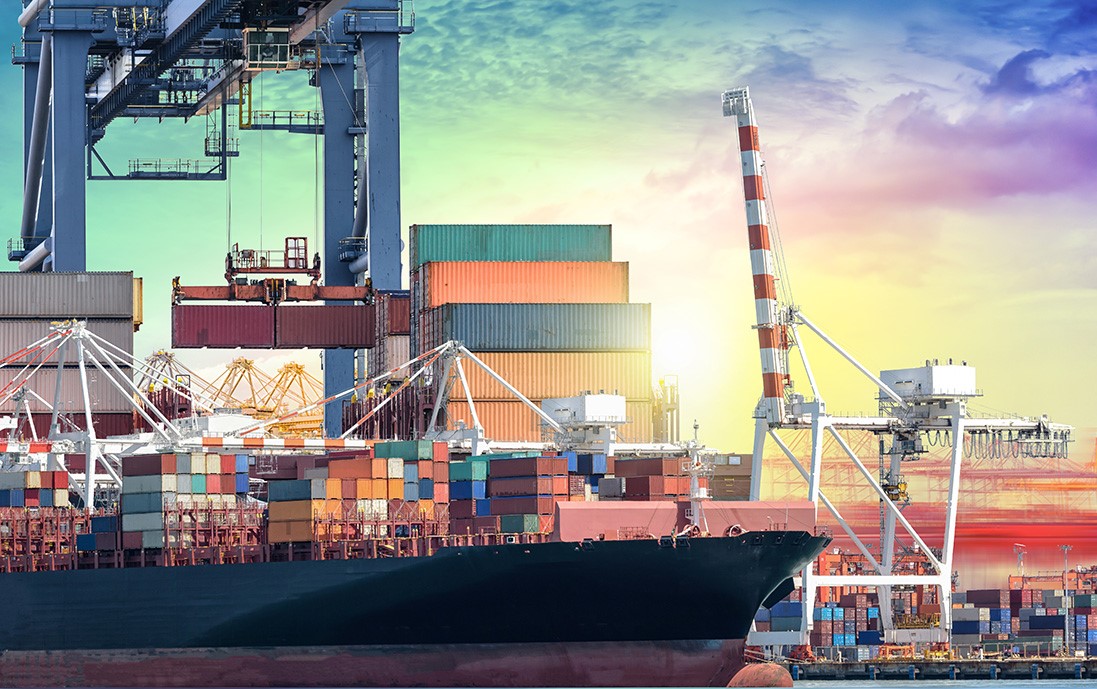
Faced with the difficulties in raw material transportation caused by the obstruction of cross-strait shipping, enterprises have also introduced alternative transportation plans to ensure production and operation. Alba Aluminum has switched to using land trucks to transport alumina raw materials, with a daily investment of 300-350 trucks, which can ensure the entry of about 7000 tons of alumina into the factory and avoid the risk of raw material supply interruption caused by sea route blockades.
In terms of capacity completion planning, Alba Aluminum plans to complete the acquisition of the Dunkirk aluminum smelter in France in the coming months, with an annual production capacity of 300000 tons. Once the acquisition transaction is completed and combined with the existing output of 1.3 million tons, Alba’s overall production capacity will return to the pre war level of 1.6 million tons. Regarding the locally shut down production lines 1, 2, and 3, Bakali stated that only when the supply of alumina and natural gas raw materials remains stable and shipping in the Strait of Hormuz is restored, can these three production lines have the conditions to restart. The full recovery of local production capacity still depends on the geographical and external environment of the supply chain.
From the perspective of the global aluminum market, Alba Aluminum, as the core aluminum production leader in the Middle East, its capacity changes affect the global supply expectations of primary aluminum. Previously, due to the impact of the Taiwan Strait blockade and factory attacks, the market was once concerned about a significant contraction in aluminum supply in the Middle East, which pushed up the risk premium for overseas aluminum products. Now that the production capacity has been restored to 80%, it has to some extent eased the market’s panic about large-scale aluminum supply cuts in the Middle East. However, there are still obvious external constraints on the resumption of local production, and any fluctuations in shipping, energy, and raw materials may once again disrupt the production pace.
At the same time, by acquiring local smelters in Europe, enterprises can achieve regional distribution of production capacity, reduce operational risks caused by geopolitical conflicts in a single region, and also change the supply structure of aluminum raw materials in the European region. Subsequent global aluminum market participants, in addition to tracking changes in domestic supply and demand, still need to continue to pay attention to the evolution of the situation in the Strait of Hormuz, the stability of alumina and natural gas supply, and the actual implementation progress of the Dunkirk aluminum plant acquisition project. These variables will continue to disrupt the operation of international aluminum prices.
Post time: Sep-18-2026