


Under the surface of a general decline in aluminum prices, the industrial chain is showing an uneven differentiation between hot and cold. On October 9th, the latest price of the Shanghai Aluminum 2611 contract was 23500 yuan/ton, a decrease of 85 yuan from yesterday’s settlement (update time: 12:05), and the average spot price of A00 aluminum was 23660 yuan/ton, a decrease of 100 yuan; However, when the focus shifted from electrolytic aluminum to processed materials, the scene did not converge – the traditional cast aluminum alloy fell with the sound, while the aluminum foil and aluminum rod on the new energy chain showed differentiated toughness, and there were two faces hidden in this round of decline.
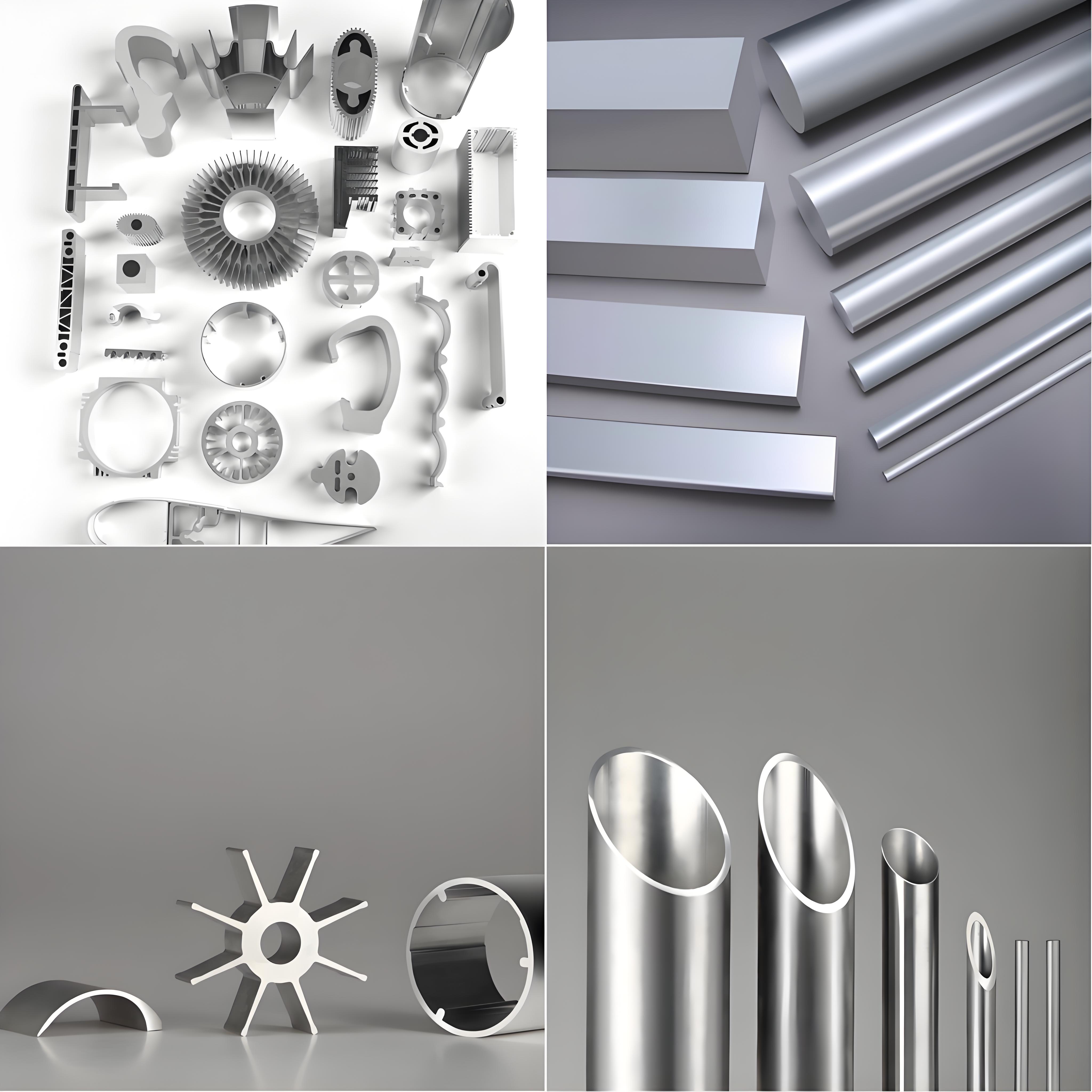
The casting end is the first to bear the brunt. According to comprehensive data from Changjiang, the average price of A356.2 aluminum alloy ingots in East China decreased by 150 yuan to 23980 yuan/ton, ADC12 decreased by 100 yuan to 23630 yuan/ton, A380 decreased by 100 yuan to 25600 yuan/ton, and 6063 aluminum bars decreased by 50 yuan to 22500 yuan/ton in South China. The weakness in the traditional consumer sector was amplified by external market drag, and weak orders in the automotive and building materials sectors dragged down processing fees. However, the decline in aluminum processing materials related to new energy is more limited: 9um communication aluminum foil is 40910 yuan/ton, 12um lithium battery aluminum foil is 39410 yuan/ton, and 13um and 15um lithium battery aluminum foil are reported at 37910 yuan/ton and 36910 yuan/ton respectively, with a daily average decline of only 100 yuan; Electrician round aluminum pole (9.5MM) 24650 yuan/ton fell by 150 yuan, providing a buffer for downstream power grid and new energy orders. On the cost side, it remains unchanged, with the average price of 2730 yuan/ton for alumina in East China and 595 yuan/ton for bauxite remaining the same. Smelting profits have not been compressed synchronously, leaving breathing space for the midstream. The resilience of price differences in the processing stage also weakens the chain of cost collapse transmitted to electrolytic aluminum, providing bottom-up support for aluminum prices.
Traditional casting alloys are falling in the macro headwinds, while new energy chain processing materials and cost side are jointly supporting structural toughness. The current differentiation of aluminum prices reflects the weakening of demand structure. The current aluminum consumption has shifted from traditional real estate infrastructure to incremental hedging between new energy and the power grid. The strength of processed materials has become a window for observing terminal prosperity, and its marginal changes often lead to the apparent demand for electrolytic aluminum; We need to pay attention to downstream production scheduling and green power consumption progress in the future. If new energy orders continue to increase, the toughness of processed materials is expected to be transmitted to the electrolytic aluminum end, easing the overall downward pressure and allowing aluminum prices to emerge from structural differentiation rather than overall weakness in the general decline. This structural differentiation also suggests that the risk of one-sided bearish views on aluminum prices is accumulating, and the terminal increment is sufficient to partially offset the macro level suppression. If the consumption of green electricity and the installation of new energy accelerate in the future, the demand structure for aluminum will continue to tilt towards emerging fields, weakening the drag of traditional cycles.
Post time: Oct-12-2026