


As the end of the year approaches, international investment bank Citigroup officially reaffirms its core strategy in the metal sector. Against the backdrop of the expectation that the Federal Reserve is likely to initiate a rate cut cycle, Citigroup has clearly listed aluminum and copper as the preferred allocation varieties, and is optimistic about the potential for rising battery chain prices. It is cautious about the anti involution sector and has given a priority ranking of “aluminum>copper>batteries>gold>battery materials>coal>cement>steel”, with aluminum being established as the most core preference sector.
Citigroup’s strong bullish view on aluminum is centered around the supply side risk that the market generally underestimates. Although most market opinions believe that the addition of smelting capacity in Indonesia will alleviate supply pressure, Citigroup points out that this expectation is uncertain and needs to continue tracking the actual production progress in the coming months. According to public data, although Indonesia’s current planned electrolytic aluminum production capacity is around 13 million tons, most projects are still in the construction or preparation stage. The first phase of production capacity for enterprises such as Xinfa and Nanshan is expected to gradually start production in 2026. At the same time, Citigroup believes that some capacity expansion plans in the Middle East may be overly optimistic, even if large-scale aluminum processing bases such as those built in cooperation between Saudi Arabia and Chinese companies have been launched, it still takes time from capacity planning to actual release.
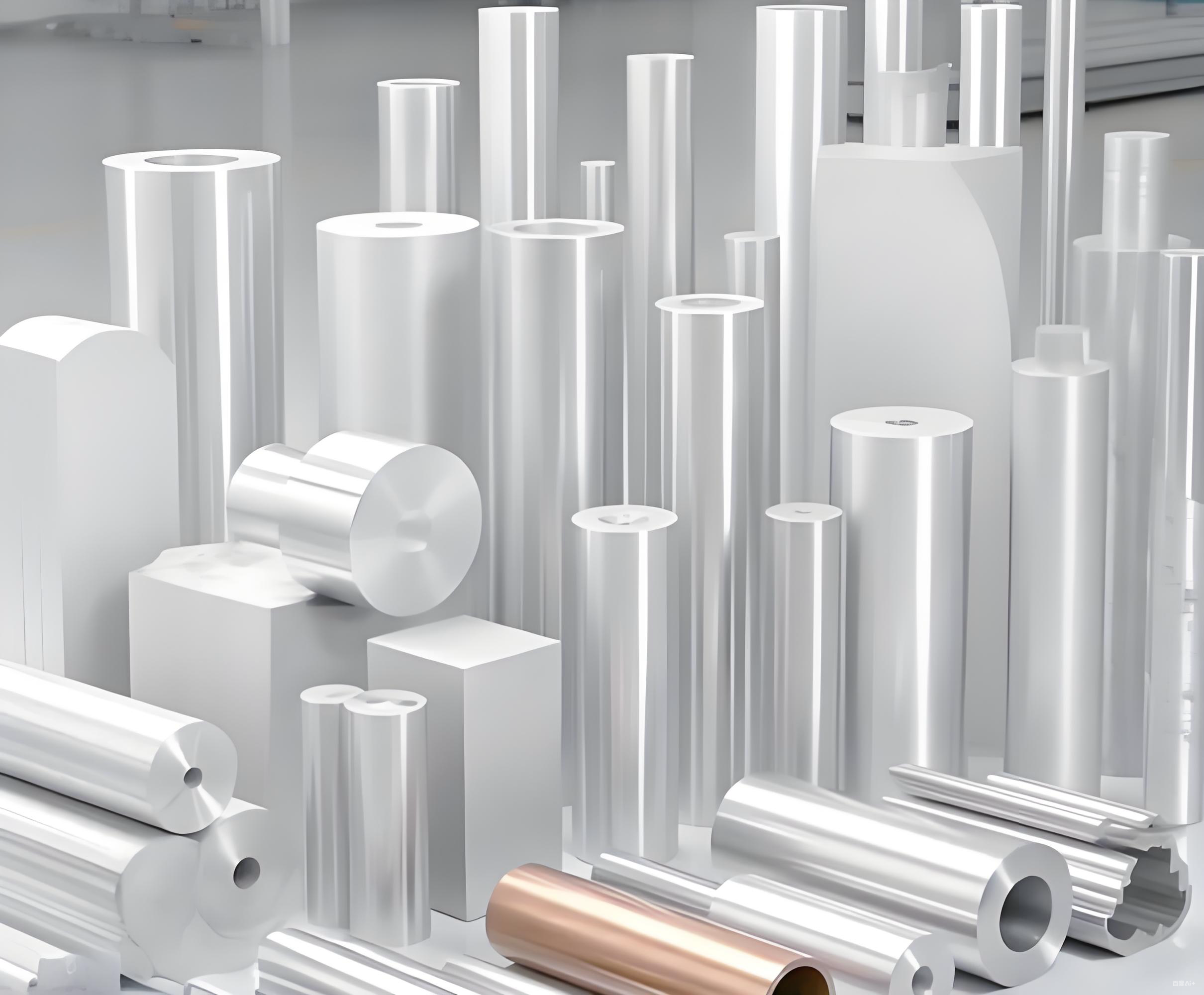
The supply and demand pattern in the Chinese market has further strengthened the allocation value of aluminum. Citigroup emphasized that the capacity utilization rate of Chinese aluminum smelters has climbed to a high level of over 98%, approaching full capacity operation, while the domestic capacity ceiling effect is significant and the expansion space is limited. As the world’s largest consumer of aluminum, China is also a net importer of aluminum, with Russia being a core source of imports. Since the beginning of this year alone, Russia’s aluminum exports to China have reached $4.6 billion, a year-on-year increase of up to 70%. More importantly, compared to copper, the apparent consumption and inventory status of Chinese aluminum is healthier. In 2024, the global aluminum supply and demand will double and the degree of oversupply will continue to decrease, providing solid support for prices.
After aluminum, copper has also been favored by Citigroup, which echoes the recent market fundamentals. Although LME copper prices fell from historical highs on Thursday, the trend of widening supply and demand gaps in the global copper market has not changed. In 2024, global refined copper consumption increased by 3.2% year-on-year, while production only increased by 1.4%. LME copper inventories are still at their lowest level since July, providing a bottom line for prices. Previously, Goldman Sachs had raised its forecast for the average price of London copper in the first half of 2026 to $10710 per ton, resonating with Citigroup’s optimistic attitude.
In addition to core metals, Citigroup has clearly expressed a bullish stance on the battery chain, believing that it will enter a cycle of price increases, which is closely related to the rapid development of the new energy industry and the increasing demand for resources such as lithium, cobalt, and nickel. In contrast, Citigroup takes a more cautious attitude towards the anti inward rolling sector, implying that the allocation value of this sector is relatively low in the context of intensified industry competition and narrowed profit margins.
Market analysts believe that Citigroup’s strategy report provides an important reference for the year-end metal sector allocation, and three key variables need to be tracked in the future: first, the actual production progress of electrolytic aluminum production capacity in Indonesia and the implementation of expansion in the Middle East, which will directly affect the trend of aluminum prices; Secondly, the results of the Federal Reserve’s December interest rate meeting indicate that the implementation of interest rate cuts will further boost the valuations of precious and industrial metals; The third is the consumption data of aluminum and copper in China. As the core demand side of the world, its recovery strength will determine the upward space of prices. At present, investors have begun to focus on the above indicators and plan for the year-end market in advance.
Post time: Dec-12-2025