


On November 10th 2026, the domestic Nebula Constellation Plan was officially released. The full stack domestically produced space computing power network integrates remote sensing, communication, and computing power satellites into an intelligent space-based service system, directly completing daily calculations in orbit. This is not only a symbol of global computing power competition extending to near Earth space, but also may open up a new demand dimension for computing power metals such as aluminum that has not been fully priced before.
As computing infrastructure extends from ground level computer rooms to near Earth orbit, the demand boundary for non-ferrous metals is being redefined, and aluminum will benefit first with its lightweight and high-strength structural properties.
According to CCMN platform’s report on November 10th, the hardware form of the space computing power grid will further upgrade the metal demand structure: the power transmission and on-board heat dissipation system of the satellite platform will bring an increase in the unit load consumption of copper and aluminum. The proportion of small metals such as tin, indium, and tantalum in high-speed intersatellite laser communication and in orbit packaging is also higher than that of ground nodes of the same scale. Each space node needs to independently complete the full chain configuration of power supply, heat dissipation, communication, and computing, with a much higher metal consumption intensity per unit of computing power compared to ground scenarios.
Compared to ground data centers, space nodes cannot rely on existing power grids and cooling infrastructure, and each in orbit unit is a miniature metal consumer. This form difference determines that the flexibility of aluminum usage in the era of space computing power is more worth looking forward to. On one side of the market, the latest price of the Shanghai Aluminum 2612 contract is 22840 yuan/ton, a decrease of 380 yuan from yesterday’s settlement. However, the demand for high-end aluminum materials is showing a different picture. The trend of humanoid robots and AI lightweighting continues to raise the premium of high-end aluminum materials. 12 micron lithium battery aluminum foil has previously risen to 39290 yuan/ton, while traditional cast aluminum alloys are hovering around 23700 yuan.
The structural differentiation of aluminum demand is becoming increasingly clear. From the perspective of the industrial transmission chain, satellite manufacturing is a typical high value-added order, with a long certification cycle and high replacement costs for aluminum materials. Once it enters the supply chain, it has strong customer stickiness.
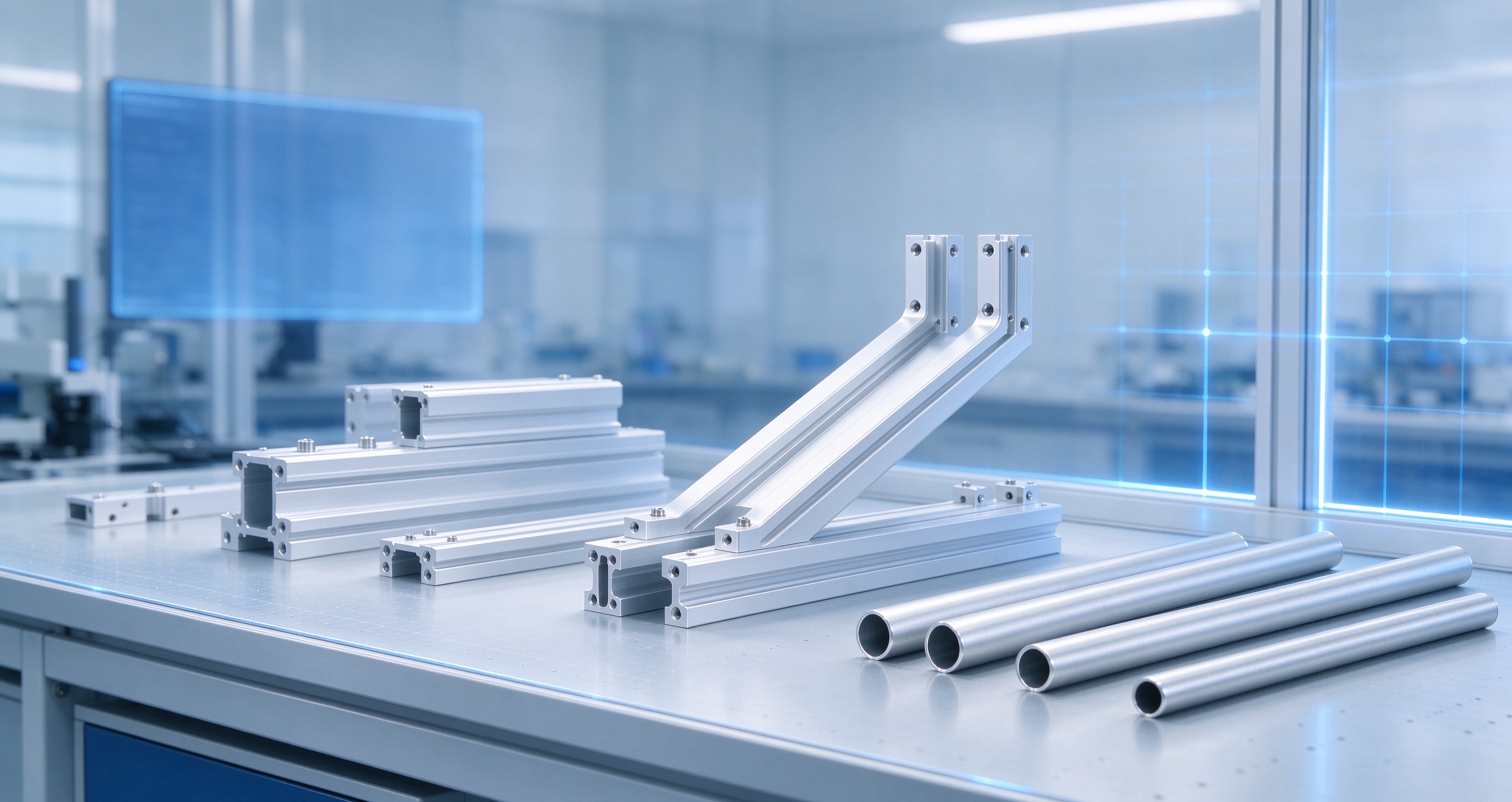
The incremental demand brought by space computing power is still in its infancy, and the mass manufacturing of large-scale networked satellites will directly drive upstream non-ferrous orders. This new demand is not covered by the traditional consumer electronics cycle, but rather a new long-term growth pole in the computing power metal demand matrix. For aluminum, demand will shift from increasing in quantity to upgrading in quality. In orbit vacuum, temperature fluctuations, and strong radiation environments will impose stricter standards on the specific strength of aluminum based structural materials.
The customized material research and development capabilities of upstream enterprises will become the key to entering this track. From new ground infrastructure to the extension of near earth space infrastructure, the expansion of aluminum demand boundary has a long-term attribute. If related enterprises can occupy the customized material track, they are expected to share a larger share in the incremental dividend, and the space for industry added value improvement will be opened up accordingly. It is worth noting that the requirements for material performance in space computing scenarios are much higher than those in ordinary industries.
The service life standards in extreme orbital environments will force upstream smelting and processing links to upgrade, and the technical barriers for aluminum processing enterprises are expected to rise accordingly.
Post time: Nov-19-2026