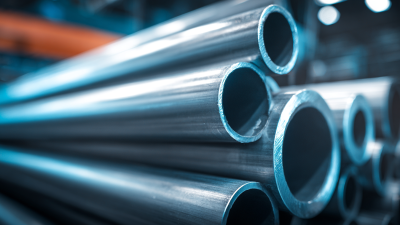
Aluminum extrusion is basically a pretty popular manufacturing process that lots of companies around the world use. It’s got a ton of perks that can really help boost both how a product looks and how well it performs. Big players like Hydro and AEC are kinda leading the charge in this space, making great use of aluminum’s special qualities.
One thing I really like about aluminum extrusion is how it can shape metal into really detailed, complicated forms—that’s not always easy to pull off with other materials. Plus, since aluminum is so lightweight, it’s perfect if you’re aiming for something energy-efficient. But, fair warning—this process isn’t without its hiccups. You gotta be super careful about quality control to make sure everything’s spot on.
If you’re buying aluminum extrusions, it’s super important to know that your suppliers are reliable. Well-established companies usually have the skills and experience to deliver consistent, good quality results. Doing your homework to check out their credentials is a smart move—it can save you from issues down the line. Just keep in mind, not every supplier out there hits the mark, so taking the time to research is totally worth it to avoid headaches later on.
Aluminum extrusion is a manufacturing process that shapes aluminum into specific profiles. This technique offers significant advantages to global buyers. It allows for complex designs and high precision. According to the Aluminum Association, the global aluminum extrusion market is expected to grow by 5.5% from 2021 to 2026. This growth reflects increasing demand across various industries, including automotive, construction, and aerospace.
Understanding the extrusion process reveals its versatility. The material can be easily cut, fabricated, and assembled. This flexibility appeals to manufacturers seeking efficiency and customization. Notably, the lightweight nature of aluminum enhances fuel efficiency in vehicles, making it crucial for the automotive sector. Interestingly, while aluminum is lightweight, it possesses high tensile strength. This unique combination makes it an attractive option for structural applications.
However, buyers should consider the environmental impact. The energy-intensive production process can raise sustainability concerns. Reports indicate that extraction and processing contribute to greenhouse gas emissions. Reflecting on production practices can guide buyers toward more eco-friendly solutions. The growing focus on sustainability in manufacturing emphasizes the need for responsible sourcing and environmentally friendly practices.
Aluminum has emerged as a crucial material in manufacturing processes worldwide. Its lightweight nature combined with high strength makes it highly advantageous for various applications. According to a recent report by the International Aluminum Institute, the global demand for aluminum products has reached over 60 million metric tons in 2023. This trend shows how industries increasingly rely on aluminum for efficient production.
One significant benefit of aluminum extrusion is its versatility. Manufacturers can create complex shapes and profiles tailored to specific needs. This adaptability reduces waste and optimizes the supply chain. Additionally, aluminum's excellent corrosion resistance ensures a longer product lifespan. A 2021 survey conducted by the Aluminum Association revealed that 70% of respondents experienced reduced maintenance costs due to aluminum's durability.
However, there are challenges to consider. The energy-intensive process of aluminum production raises questions about environmental impact. A report from the Carbon Trust highlights that the aluminum sector contributes to approximately 1.1 billion tons of CO2 emissions annually. Steel may still be less costly at times, emphasizing the need for industries to weigh the long-term benefits of aluminum against upfront costs. This complexity underscores the importance of informed decision-making in choosing the right materials.
Aluminum extrusion offers remarkable cost-effectiveness for global buyers. The process allows for the creation of complex shapes while minimizing waste. This efficiency leads to lower material costs, which is a significant advantage for buyers.
Moreover, aluminum is lightweight yet incredibly strong. This characteristic enables manufacturers to reduce shipping costs. Lightweight components save fuel and enhance logistics efficiency. Buyers benefit from reduced overall costs in both production and transportation.
However, it's essential to note that not all extruded products are created equal. Some may have hidden defects or inconsistencies. Buyers must ensure they source from reliable providers who emphasize quality control. This vigilance will help avoid unexpected expenses down the line.
Aluminum extrusion offers significant design flexibility, which is a major draw for global buyers. With this process, manufacturers create complex shapes that can meet specific demands. This adaptability allows for innovative solutions in different industries, from automotive to construction. Custom profiles can be crafted to enhance performance while reducing weight. The result is a product tailored to unique needs.
Customizing aluminum extrusions means you can choose dimensions, wall thickness, and surface finishes. This level of detail helps engineers optimize designs. Some buyers may overlook how important these features are for aesthetics and functionality. The finished product can significantly impact the overall appeal of equipment or structures.
However, achieving the perfect design may require several iterations. This process can be time-consuming and could lead to unexpected challenges. Designers must strike a balance between creativity and practicality. Engaging with experienced suppliers can help navigate these complexities. It's essential to embrace potential setbacks as learning opportunities in the pursuit of ideal designs.
Aluminum extrusion plays a crucial role in promoting sustainability. This lightweight material is highly recyclable, which reduces waste in landfills. According to the Aluminum Association, around 75% of aluminum produced since 1888 is still in use today. This impressive statistic highlights the material's longevity and recyclability, making it an ideal choice for environmentally conscious buyers.
Production processes for aluminum extrusion are becoming increasingly eco-friendly. Recent advancements in energy-efficient technologies have reduced greenhouse gas emissions significantly. Industry reports indicate that recycling aluminum saves up to 95% of the energy required to produce new aluminum. This energy efficiency not only cuts costs but also lessens the carbon footprint of manufacturing activities.
However, challenges remain. Not all aluminum producers prioritize sustainability consistently. Some facilities still rely on outdated technologies that increase environmental impact. Buyers must scrutinize supply chains to ensure they partner with responsible manufacturers. Choosing sustainable materials like aluminum requires diligence and critical thinking about each supplier's practices.
Aluminum extrusion is a versatile process that serves various industries. It allows manufacturers to create complex shapes with precise dimensions. This adaptability makes it ideal for sectors like automotive, construction, and electronics. In fact, the global aluminum extrusion market is projected to reach over $60 billion by 2027, reflecting its growing significance.
In the automotive industry, aluminum extrusion is crucial for lightweight vehicle design. It reduces fuel consumption and increases efficiency. Research shows that lightweighting can lead to a 20% reduction in fuel usage. Additionally, the construction sector benefits from aluminum extrusions in window frames, roofing, and architectural elements. They provide durability and corrosion resistance, important factors in building longevity.
However, challenges persist. Variability in material quality can affect performance. Moreover, extrusion processes can be energy-intensive, raising concerns about sustainability. Optimizing these processes is essential for minimizing environmental impact while ensuring product consistency. The future of aluminum extrusion depends on addressing these issues while leveraging its undeniable advantages across industries.
| Industry | Application | Benefits |
|---|---|---|
| Automotive | Structural components, heat exchangers | Lightweight, improves fuel efficiency |
| Architecture | Window frames, facade systems | Durability, aesthetic appeal |
| Electronics | Heat sinks, enclosures | Thermal management, lightweight |
| Aerospace | Airframe components, fuel tanks | High strength-to-weight ratio |
| Consumer Goods | Furniture, appliances | Versatile design options |
Quality assurance in aluminum production is crucial for global buyers. It ensures that the products meet necessary standards. Aluminum extrusion involves precise processes that determine the reliability of the final product. Manufacturers often adhere to international guidelines. These standards help maintain consistency and prevent defects.
Inspection plays a significant role in quality assurance. Regular checks during the extrusion process can identify potential issues early. Buyers should expect transparency in these processes. This transparency builds trust and confidence in the supplier's capabilities. However, not all manufacturers have the same commitment to quality. Some may cut corners to reduce costs, leading to inconsistent results.
Certifications are another vital aspect of quality assurance. They validate the adherence to industry standards. Buyers should look for evidence of certifications before making a purchase. Yet, relying solely on certifications can be misleading. It’s essential to assess a manufacturer’s actual production practices. Overall, understanding quality assurance mechanisms helps buyers make informed choices in aluminum extrusion.
The 6061 T6 aluminum alloy has gained significant popularity in the bicycle manufacturing industry due to its impressive strength-to-weight ratio and excellent corrosion resistance. This alloy is particularly advantageous for bicycle frames, allowing manufacturers to craft lightweight yet durable structures that enhance performance and rider experience. With a diameter range of 15mm to 160mm, 6061 T6 aluminum tubes are versatile and can be customized to meet various design needs, making them ideal for a wide range of bicycle applications.
One of the key benefits of using 6061 T6 aluminum alloy tubes is their ability to withstand high levels of stress without deforming. This characteristic is vital in bicycle frames, where structural integrity is paramount for safety and reliability during intense rides. Additionally, the T6 temper of this alloy denotes that the material has undergone a heat treatment process, resulting in increased hardness and strength, further elevating its performance capabilities. Riders can enjoy a smoother ride with increased control thanks to the combination of lightweight design and robust construction provided by these aluminum tubes.
Moreover, the ease of fabrication associated with 6061 T6 aluminum allows manufacturers to innovate in design while maintaining cost-effectiveness. Whether used for high-end racing bikes or sturdy mountain bikes, the adaptability of tubing diameters enables designers to tailor frames that meet specific functional and performance criteria. This adaptability, along with the inherent properties of 6061 T6 aluminum, makes it an exceptional choice for modern bicycle frames aimed at enhancing the overall cycling experience.
: Aluminum extrusion reduces waste and lowers material costs. It is efficient for creating complex shapes.
Aluminum is lightweight, which lowers shipping costs. This enhances logistics efficiency for buyers.
No, some extruded products may have defects. It's crucial to source from reliable providers prioritizing quality.
Aluminum is highly recyclable and reduces landfill waste. Around 75% of aluminum produced since 1888 remains in use.
Recycling aluminum saves up to 95% of energy compared to new production. This significantly cuts costs and emissions.
No, some producers use outdated technologies harmful to the environment. Buyers need to check suppliers' sustainability practices.
Ensuring product quality and sustainability can be tough. Vigilance in supplier selection is necessary to avoid issues.
Advances in technology have made aluminum production more eco-friendly. This includes reduced greenhouse gas emissions.
Buyers must look for companies that emphasize quality and sustainable practices. This requires critical evaluation of their processes.
Aluminum extrusion is a versatile manufacturing process offering numerous benefits for global buyers. It involves shaping aluminum into functional profiles, allowing for exceptional design flexibility and customization potential. This process not only enhances the efficiency of production but also results in significant cost-effectiveness, making aluminum an attractive option compared to other materials.
Moreover, aluminum is renowned for its sustainability, as it is recyclable and reduces the environmental footprint in various applications across industries. The quality assurance and stringent standards in aluminum production further ensure that buyers receive high-quality products. Overall, aluminum extrusion serves as a reliable solution for modern manufacturing needs, combining practicality with eco-friendly benefits.