0%

Picking out the right aluminum extrusion can really make a difference in how your project turns out. These extrusions are pretty essential—they’re lightweight, tough, and super versatile, so they fit into tons of different uses. Honestly, choosing the right one isn’t always straightforward, and it’s important to think things through carefully.

You’ll want to consider things like how much strength you need, the shape you’re after, and the finish. Different projects call for different profiles, so understanding what’s best for your specific needs is key. Sometimes, chatting with folks who know the ins and outs of these materials can be a huge help. Companies like XYZ Aluminum Solutions are great because they really know their stuff—they focus on quality and keeping up with the latest innovations.

That said, it’s easy to overlook some details when making a decision, so take your time. Make sure you’re fully in the know before going ahead—that way, you’ll end up with the perfect aluminum extrusion for your project without unnecessary headaches.

How to Choose the Right Aluminum Extrusion for Your Project?

Understanding Aluminum Extrusion and Its Applications

Aluminum extrusion is a versatile method for shaping aluminum. It involves forcing heated aluminum through a die to create desired profiles. These profiles can range from small components to large structures. According to a 2021 industry report, the global aluminum extrusion market was valued at approximately $55 billion. This growth reflects the increasing demand in sectors like automotive and construction.

Understanding how aluminum extrusion fits your project is crucial. Different alloys offer various strengths and corrosion resistances. Furthermore, extrusion allows for complex shapes that are lightweight yet strong. In construction, for example, extruded aluminum frames can significantly reduce structural weight without compromising integrity. Reports indicate that about 70% of architects favor aluminum for its aesthetics and durability.

While choosing aluminum extrusion, consider the design specification and manufacturing capacity. Quality control is essential, yet not every supplier ensures stringent checks. This can result in unexpected failures during application. It highlights the importance of selecting experienced partners who prioritize reliability in their production processes. Proper research can bridge gaps in quality and meet project expectations effectively.

Key Factors to Consider When Selecting Aluminum Extrusions

Choosing the right aluminum extrusion can greatly impact your project's success. Key factors guide this selection process. Understanding your project requirements is essential. Consider the desired shape, dimensions, and application. Each aspect influences your material choice. It's important to collaborate with experts to ensure the correct fit.

One crucial factor is the alloy grade. Different grades offer unique properties. This can affect durability and corrosion resistance. For instance, a standard 6061 alloy is versatile and widely used. However, specialized projects may require different grades, like 7075 for added strength.

Tips: Always assess the intended environment for your extrusions. This helps prevent premature failure. Additionally, review multiple suppliers. Quality may vary, so ensure you choose a reliable source. Lastly, don’t hesitate to consult a specialist if uncertainties arise. Their insights can help clarify confusing aspects of your project's requirements.

Analyzing the Specific Requirements of Your Project

When analyzing the specific requirements of your project, consider the environmental factors. For example, the location can impact the choice of aluminum alloy. According to a report by the Aluminum Association, different alloys exhibit varying corrosion resistance levels. Environments with high humidity or salt exposure require a stronger focus on protective coatings.

Next, assess the mechanical demands of your application. Will the extruded aluminum face heavy loads or impact? Data shows that a project facing such challenges often needs a higher-grade alloy, like 6061-T6, which boasts improved strength and weldability. However, some projects may not require such specifications. It’s crucial to avoid choosing materials based solely on assumptions.

Dimensions and shapes also play a vital role. Custom profiles can enhance material efficiency, but they may be costlier. Balancing functionality with budget is essential. Industry research highlights that a 15% increase in material efficiency can lead to significant savings. Cultivating an awareness of these specifics can lead to informed decision-making, minimizing risks associated with improper selection.

Exploring Different Aluminum Alloy Options

Choosing the right aluminum alloy is crucial for your project. Different alloys have unique properties that can impact performance. Common alloys include 6061, 6063, and 7075. Each serves distinct purposes.

For structural applications, 6061 offers good strength and weldability. Its versatility makes it a go-to choice.

On the other hand, if aesthetic appeal is your priority, consider 6063. It provides better surface finish and is ideal for architectural applications. However, it might not withstand heavy loads as well.

Meanwhile, 7075 is the strongest option. It's often used in aerospace and military applications but can be more challenging to work with.

Reflecting on your needs is essential. Consider weight, strength, and corrosion resistance. Not all alloys are a perfect fit. Misjudging these factors can lead to project delays or failures. Research thoroughly and consult experts. Collaboration can refine your choices and enhance your project outcomes.

Comparing Fabrication Techniques for Aluminum Extrusions

When selecting aluminum extrusion fabrication techniques, understanding the various methods is crucial. Common techniques include die casting, machining, and welding. Each has unique advantages and limitations. For example, die casting is efficient but can be costly for small runs. Machining offers high precision but may generate more waste material.

In recent industry reports, it was noted that almost 70% of aluminum components require some form of machining. This highlights a significant reliance on precise materials. However, machining processes can lead to changes in strength due to the removal of material. The process of welding, while creating strong joints, can introduce thermal stress, sometimes leading to structural weaknesses.

Consideration of the project requirements is critical. Fabrication techniques differ in their environmental impacts too. For instance, die casting generates a larger carbon footprint compared to extrusion methods. Understanding these nuances allows engineers to make informed decisions, balancing quality, cost, and sustainability. It's essential to reflect on what method best aligns with project goals while being mindful of the potential pitfalls.

Evaluating Surface Treatments and Finishes

Choosing the right surface treatment for aluminum extrusion is crucial. Different processes can enhance durability, aesthetics, and functionality. Anodizing is popular for increasing corrosion resistance. It creates a protective layer, which can be dyed for color. However, the color might fade over time. This is something to consider if long-term appearance matters.

Powder coating offers another option. It provides a tough, vibrant finish. This coating can withstand harsh environments. Yet, it may chip or peel if not applied correctly. Surface preparation is vital for adhesion. Any imperfections in the base material can lead to unsatisfactory results.

Brushed or mill finishes give a sleek, modern look. These can enhance light reflection, especially in architectural designs. However, they may require more maintenance to keep their appearance. Each finish has its pros and cons. Assess how these attributes align with your project requirements. Choose wisely, as the finish impacts the overall lifespan and appeal of the aluminum extrusion.

How to Choose the Right Aluminum Extrusion for Your Project? - Evaluating Surface Treatments and Finishes

Extrusion Profile Type Surface Treatment Finish Type Corrosion Resistance Applications
T-Slot Anodizing Matte Excellent Furniture, Frames
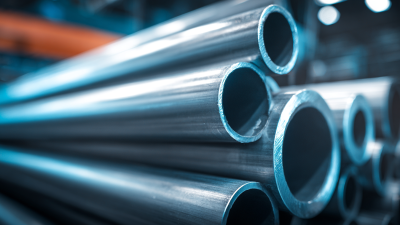
Square Tube Powder Coating Glossy Good Industrial Frames, Supports
Round Tube Electrophoretic Coating Semi-Gloss Very Good Piping, Railing
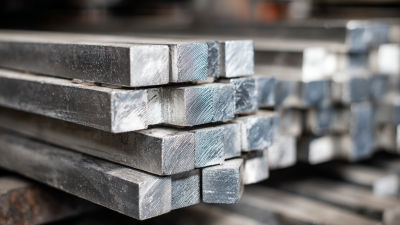
Flat Bar Polishing Reflective Moderate Decorative, Art Projects
I-Beam Mill Finish Natural Fair Structural Applications

Establishing a Budget and Sourcing Aluminum Extrusions

When sourcing aluminum extrusions for your project, budget considerations are crucial. Industry reports indicate that aluminum prices fluctuate based on market demand and production costs. According to the Aluminum Association, the average cost of aluminum has seen a 20% increase in recent years. This reality necessitates a well-defined budget before sourcing materials. It can affect the overall project cost significantly.

While establishing a budget, consider the full life cycle of aluminum. Cheap extrusions might save money initially, but they can compromise durability and long-term performance. A report from Research and Markets reveals that high-quality aluminum extrusions can enhance structural integrity, potentially reducing maintenance budgets by 15% over ten years. It's essential to weigh immediate savings against future costs.

In sourcing, finding reliable suppliers is equally important. Not all vendors offer the same quality. Engaging with certified suppliers can ensure material consistency and compliance with industry standards. However, balancing price and quality may lead to difficult trade-offs. Overly ambitious budgets can lead to poor material choices. Periodic reflection on spending is essential to maintain project integrity.

Aluminum Extrusion Budget Allocation for Projects

Innovative Applications and Advantages of Hot Sale 7075 T6 T651 Metal Aluminum Alloy Sheets in Modern Industries

The 7075 T6 T651 aluminum alloy is renowned for its exceptional strength and durability, making it a preferred material in various modern industries. This metal offers superior mechanical properties combined with a lightweight composition, which is crucial for applications where performance and weight must be balanced, such as in aerospace, automotive, and military sectors. Its high resistance to corrosion and fatigue further enhances its applicability, providing longevity in demanding environments.

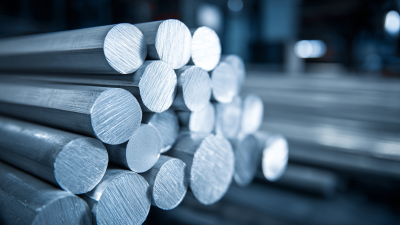
With a diameter range of 1-500mm, the versatility of 7075 aluminum alloy sheets accommodates a broad spectrum of manufacturing needs. From intricate machine components to robust structural parts, this material's malleability allows it to be easily fabricated while still retaining its structural integrity under stress. Industries looking for innovative solutions are increasingly turning to 7075 T6 T651 sheets, leveraging their properties to drive advancements in design and production. The continued exploration of this alloy is paving the way for future applications that require both strength and lightweight characteristics, cementing its place as a staple in modern engineering.

FAQS

: What should I consider when selecting aluminum extrusions?

: Assess project requirements, including shape, dimensions, and application for best material choice.

Why is alloy grade important?

Different grades affect durability and corrosion resistance, impacting your project's overall performance.

What is a commonly used aluminum alloy?

Standard 6061 alloy is versatile, suitable for many applications, but might not fit all needs.

How does the environment influence alloy selection?

High humidity or salt exposure demands stronger alloys with protective coatings for durability.

Are custom aluminum profiles worth the extra cost?

Custom profiles can enhance efficiency but may increase costs; balance functionality with your budget.

What mechanical demands should I consider?

Assess if the aluminum will face heavy loads or impact; this determines the alloy grade needed.

How can I ensure reliable suppliers?

Review multiple suppliers to gauge quality; a trusted source can significantly impact project success.

What happens if I misjudge alloy properties?

Misjudging can lead to project delays or failures; reflect on needs before deciding.

Is consulting a specialist necessary?

Yes, specialists can clarify uncertainties and refine choices, ultimately improving project outcomes.

How can I assess material efficiency?

Cultivate awareness of specifics; even a 15% increase in efficiency can yield significant savings.

Conclusion

When choosing the right aluminum extrusion for your project, it's essential to start with a solid understanding of aluminum extrusion and its various applications. Key factors to consider include the specific requirements of your project, such as dimensions, load requirements, and environmental conditions. Additionally, exploring different aluminum alloy options can significantly impact the performance and durability of the extrusions.

Furthermore, comparing fabrication techniques and evaluating surface treatments and finishes are crucial steps in ensuring that the final product meets your expectations. Establishing a budget and sourcing aluminum extrusions from reliable suppliers will help streamline the selection process and ensure that your project is both cost-effective and successful. By carefully considering these factors, you can identify the most suitable aluminum extrusion tailored to your needs.

James

James

James is a dedicated marketing professional at Shanghai Miandi Metal Group Co., Ltd., specializing in the distribution of a comprehensive range of aluminum products, from the 1000 series to the 8000 series. With extensive knowledge of aluminum plates, rods, flats, angle aluminum, round tubes, and......
Previous What are the Benefits of Aluminum Extrusion for Global Buyers?