


March 25, 2026 – Global aluminum alloy technology is undergoing a paradigm shift, with breakthroughs in high-performance grades reshaping supply chains for semiconductor equipment, aerospace structures, and electric vehicle (EV) lightweighting. According to the 2026 Global Aluminum Material Innovation Report, demand for premium aluminum alloys, particularly 7000 series, high-magnesium lightweight alloys, and scandium doped vriants is projected to surge 22% year-on-year, driven by strict performance requirements in high tech sectors. This trend underscores a critical industry transition: from conventional aluminum applications to specialized, engineered materials that deliver unmatched strength, thermal stability, and precision.
Semiconductor Grade Alloys Lead Innovation Charge
The semiconductor industry remains the fastest-growing segment, demanding aluminum alloys that meet nanometer level precision and extreme environmental resilience. Semiconductor fabs and equipment OEMs are increasingly adopting 7075-T651 and 7050 aluminum alloys for wafer handling components, process chamber liners, and metrology stages. These precipitation-hardened Al-Zn-Mg-Cu alloys offer ultra-high tensile strength (up to 570 MPa), minimal thermal distortion, and excellent machinability, key attributes for maintaining consistent yields in nanoscale manufacturing.
A 2026 breakthrough comes from Chinese research institutions that have developed a low porosity, high-purity 7075 variant with reduced inclusion rates below 0.001%, meeting SEMI G55 standards for semiconductor-grade materials. This innovation addresses longstanding challenges of residual stress and particle contamination, enabling CNC-machined parts to hold tolerances as tight as ±0.0015 mm. Leading semiconductor equipment suppliers have already validated this grade for next-gen lithography tools, with trial production showing a 15% improvement in long-term dimensional stability.
Parallel advancements focus on Al-Sc (aluminum-scandium) alloys for sputtering targets and MEMS components. Materion’s 2025 launch of high-scandium-content targets (up to 43% Sc) has gained traction in 5G and WiFi 7 device manufacturing, enabling high-purity piezoelectric AlScN layers with enhanced performance yields . This material innovation is expanding the role of aluminum beyond structural applications into critical semiconductor fabrication processes.
Aerospace & Aviation Witness High Temp Alloy Breakthroughs
Aerospace is another key growth driver, with the industry prioritizing alloys that balance lightweighting with extreme temperature resistance. Tianjin University’s 2025 development of an oxide dispersion strengthened (ODS) aluminum alloy has shattered previous performance limits, extending service temperature tolerance from 350°C to 500°C . This innovation delivers a tensile strength exceeding 200 MPa at 500°C, over six times higher than conventional aluminum alloys, making it ideal for aircraft engine components and high-speed structural parts.
Commercial aircraft programs are accelerating adoption of aluminum-lithium (Al-Li) alloys to reduce weight and improve fuel efficiency. The Airbus A350 now uses 12% Al-Li alloys in its fuselage and wing structures, achieving a 7% weight reduction compared to traditional aluminum alloys. In China, the C919’s airframe and wing critical structures rely on 2000 and 7000 high-strength aluminum grades, with local suppliers ramping up production to meet 100% domestic content targets by 2027.
The global aerospace aluminum alloy market is forecast to reach $42 billion by 2028, with 7000 and Al-Li alloys accounting for 65% of demand, driven by commercial aviation expansion and military aircraft modernization.
EV Lightweighting Drives & Recyclable Alloy Adoption
The automotive sector, especially EVs, is reshaping aluminum alloy demand through lightweighting initiatives. The 2026 Global Automotive Aluminum Report notes that average aluminum content per EV has reached 210 kg, up 18% from 2024, with projections to hit 280 kg by 2030. Heat-free treatment aluminum alloys are emerging as a game-changer, enabling cost effective integrated die-casting while reducing energy consumption by 30% during production.
NIO’s proprietary “NIO-2” self-curing alloy, validated for mass production in 2025, has been integrated into the ET9 and Ledo L60 models, achieving a 20% body weight reduction and 22% cost savings compared to conventional alloys. Leading die-casting manufacturers like Yunchi and GF Forming Solutions are leveraging these alloys for large integrated front and rear chassis components, meeting strict safety and performance standards.
Sustainability is also a key focus. Oak Ridge National Laboratory’s 2026 RidgeAlloy technology converts contaminated automotive scrap aluminum into high-performance structural parts, overcoming impurity challenges that previously limited recycled aluminum use. This breakthrough could unlock a $15 billion recycled aluminum market by 2028, supporting circular economy goals in the automotive industry.
Industry Trends & Supply Chain Implications
Three core trends are defining the 2026 aluminum alloy landscape:
1. Specialization: High-tech sectors demand tailored alloys with precise property matching, moving beyond one-size-fits-all solutions.
2. Sustainability: Recyclable and low-carbon aluminum production methods are becoming critical differentiators for OEMs.
3. Vertical Integration: Material suppliers are expanding into value-added services, including custom machining and post-processing, to meet end-to-end customer needs.
For global aluminum alloy suppliers, the path forward lies in balancing R&D investment with scalable production capabilities. Companies that can deliver high-performance grades for semiconductor, aerospace, and EV applications while ensuring supply chain resilience and sustainability will capture the largest market share. As demand for lightweight, high-strength materials continues to rise, aluminum alloys remain indispensable to the next generation of technological innovation.
0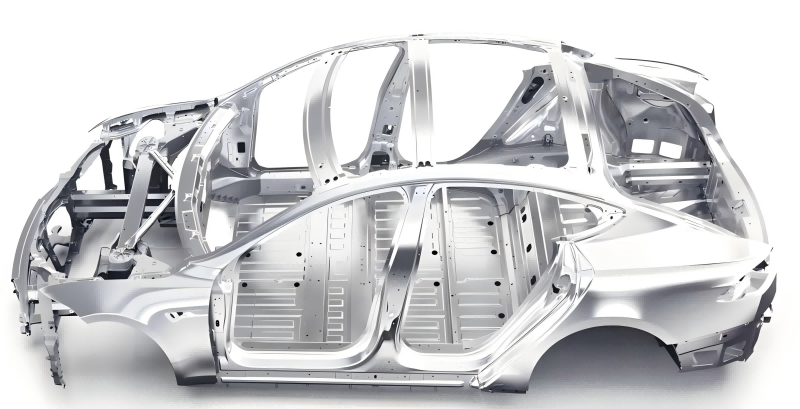
Post time: Apr-15-2026