


On June 18th, globally renowned aluminum company Hydro announced a major adjustment plan for its North American business. The company will shut down two aluminum extrusion factories located in California and Louisiana within 2027, in order to optimize regional industrial layout by clearing inefficient production capacity and cope with the continued pressure on the North American aluminum processing market.
According to the shutdown schedule disclosed by Hydro, the California extrusion factory will officially shut down in January 2027, and the Louisiana factory will complete the shutdown work in April of the same year. A total of 350 employees in the two factories will be affected by this capacity adjustment. The company stated that after a long-term operational evaluation, the decision to shut down the two factories has revealed a long-term problem of low capacity utilization. If a comprehensive upgrade and renovation of equipment is carried out, high capital investment will be required, and the long-term economic benefits of operation will be poor. Continuously retaining production is not in line with the group’s cost reduction and efficiency improvement strategy.
To ensure the continuity of supply to downstream customers, Hydro has initiated production capacity diversion and factory renovation work in advance. According to the plan, by the first quarter of 2027, the related extrusion capacity of the two factories to be shut down will be fully diverted to the company’s other high quality production bases in North America. By concentrating production capacity and integrating production lines, stable supply to domestic manufacturing customers in the United States will be maintained, minimizing supply chain fluctuations caused by capacity adjustments.
Hydro admits that this shutdown is part of the group’s North American asset optimization initiative, with the core goal of streamlining inefficient production capacity and focusing on highly competitive and high quality assets, in order to solidify the company’s long-term competitive position in the US aluminum processing market. And behind this proactive reduction in production capacity is the triple operational pressure that the North American aluminum processing industry has long faced.
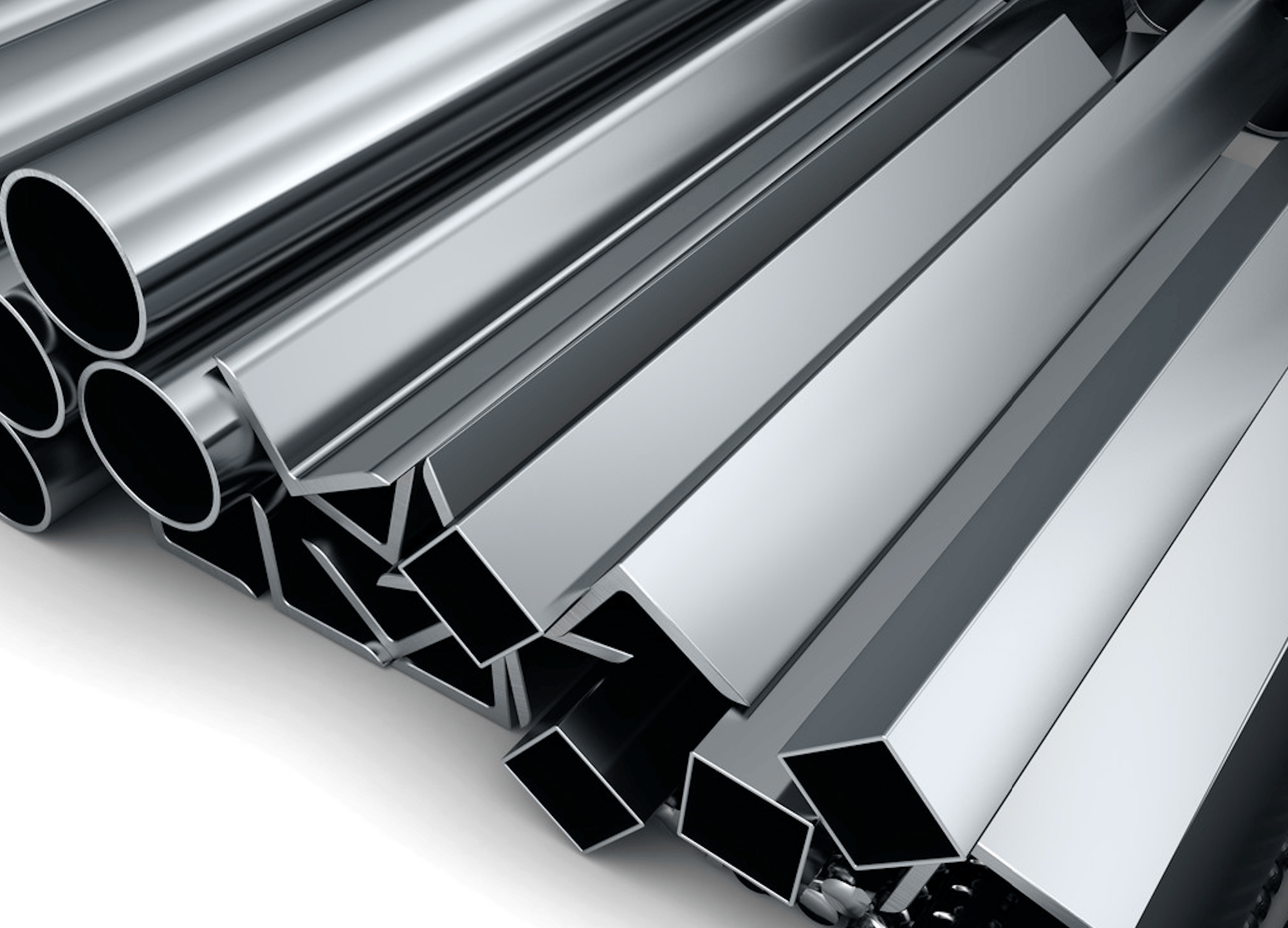
Firstly, the phenomenon of overcapacity in regional aluminum extrusion materials is prominent, and the imbalance between market supply and demand continues to suppress product profitability; Secondly, the industrial energy prices in the United States have remained high for a long time, and aluminum processing is a high energy consuming industry. The cost of electricity has greatly eroded corporate profits, and the energy consumption disadvantage of old factory areas has further amplified operational losses; Thirdly, overseas imported aluminum materials continue to impact the local market, with low-priced imported products diverting orders and the bargaining power of local processing factories continuing to weaken.
It is worth noting that the overall global aluminum supply is currently in a tight pattern, but regional structural differentiation is very obvious. The tight global supply and demand has not eased the operational difficulties of North American aluminum processing. Multinational aluminum companies represented by Hydro continue to promote regional capacity contraction and restructuring adjustments, and the pace of industry structural clearance is still ongoing. Industry analysis suggests that there may be more cases of inefficient factory closures and capacity integration in the North American aluminum processing industry in the future, and the industry as a whole will concentrate on large-scale, low-cost, and low-carbon leading factories.
As a leading player in the entire aluminum industry chain, Hydro has been continuously optimizing its production capacity structure globally in recent years. While phasing out low utilization old production lines, it has also increased its high-end production capacity layout for low-carbon and recycled aluminum. By shifting assets to balance costs and market demand, the closure of two extrusion plants in the United States is also part of its global production capacity optimization cycle.
Post time: Jun-26-2026