


When the demand for building profiles reaches its peak, the consumption center of aluminum is quietly shifting. On September 10th 2026, the average price of A00 aluminum in the Yangtze River spot market was reported at 24560 yuan/ton, unchanged from yesterday, and the overall market entered a narrow consolidation period. But below this benchmark price, the premium structure of processed materials becomes increasingly clear. The average price of aluminum alloy ADC12 is 24300 yuan/ton, the average price of cast aluminum alloy ingot A356.2 is 24700 yuan/ton, and the average price of A380 is 26400 yuan/ton.
The price difference between high-end aluminum and ordinary aluminum remains high, and demand stratification is reshaping the pricing logic of aluminum. The financial attributes of ordinary aluminum and the fundamental attributes of industrial materials are being priced separately by the market, and the internal strength differentiation of aluminum prices has become apparent. The widening price difference between processed materials and regular aluminum is becoming a window to observe the changes in aluminum demand structure.
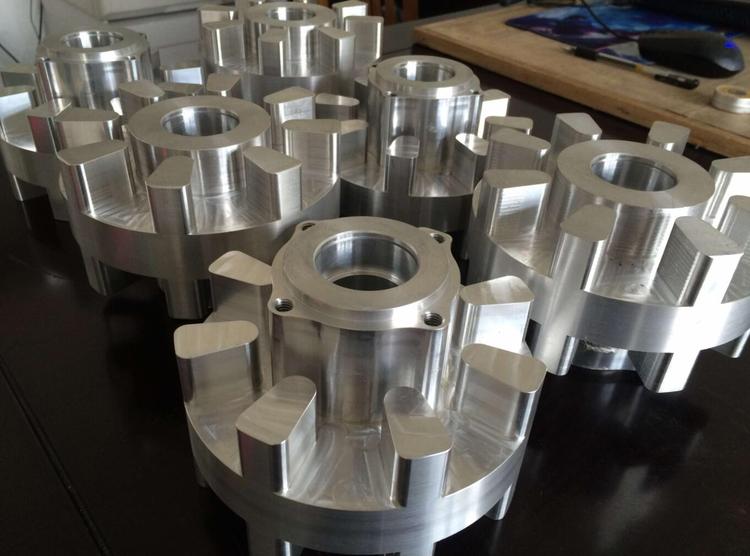
The core driving the above differentiation is the systematic reassessment of aluminum consumption by new energy lightweighting.
From the perspective of the automotive industry, die-casting and weight reduction have driven an increase in the usage of cast aluminum alloys such as ADC12 and A356.2, and the amount of aluminum used per vehicle has increased with the penetration rate of electric vehicles.
From the perspective of the photovoltaic end, the module frame and bracket maintain rigidity in their demand for aluminum profiles, and even if the price of silicon material decreases, it does not weaken the amount of aluminum used in the photovoltaic chain.
From the perspective of energy storage, the procurement of aluminum foil and aluminum strip for battery shells and structural components has expanded with the increase in installed capacity.
The combined demand for automobiles, photovoltaics, and energy storage has continued to widen the premium space for industrial materials such as lithium aluminum foil and high-end aluminum castings. The Shanghai Aluminum 2610 contract held 241037 contracts and traded 107128 contracts, and the attention of funds to the lightweight track has not cooled down due to the sideways trend of the market.
Correspondingly, traditional building profiles are dragged down by the real estate cycle, resulting in weak demand elasticity. The aluminum consumption structure is gradually shifting from being dominated by real estate to being driven by industrial materials, and this migration provides more resilient support for the price of primary aluminum. The incremental demand brought about by lightweighting is changing the synchronicity between aluminum prices and the real estate cycle, making industrial materials a more certain growth pole for aluminum consumption.
Low inventory provides chassis protection for the restructuring of this demand. The aluminum inventory on the previous exchange fell for 11 consecutive weeks to 364700 tons, and the LME remained flat at a low of 244500 tons this century. Supply side constraints resonated with the increase in demand for industrial materials.
In the short term, the benchmark price of A00 aluminum at 24560 yuan may remain sideways, but the widening of the premium for processed materials suggests a strong weak differentiation within the aluminum price; If the lightweighting of automobiles and the installation of energy storage continue to increase rapidly, the pull of industrial aluminum materials on primary aluminum is expected to offset some of the weakness in the construction sector. We need to pay attention to the changes in processing fees for lithium battery aluminum foil, the pace of production scheduling for automobiles and photovoltaics, and whether high-end aluminum export orders can continue.
The support for aluminum prices under demand restructuring still needs to be continuously verified by terminal data. From the perspective of profit distribution in the industrial chain, the widening premium of processed materials means that more value stays in the midstream aluminum processing link, and the bargaining space between upstream primary aluminum and downstream terminals is continuously compressed. The profit redistribution of the aluminum industry chain is accelerating with the migration of demand structure. If the penetration of lightweight automobiles and energy storage installation continues to thrive, the structural highlights of aluminum consumption are expected to offset the downward pressure on the construction sector, and the restructuring of demand may become the core narrative of aluminum prices in the subsequent stage.
Post time: Sep-11-2026