


On June 16th, relying on the strong demand in overseas markets, the production vitality of the domestic aluminum industry has been fully released, and the production of electrolytic aluminum has achieved sustained growth. Official statistics show that domestic primary aluminum production has achieved both month on month and year-on-year growth for nine consecutive months, coupled with a significant increase in aluminum export data. The current strong external and weak internal characteristics of the aluminum industry are highlighted, and the overall industry prosperity is steadily rising.
According to authoritative production data released by the National Bureau of Statistics, the domestic production of primary aluminum (electrolytic aluminum) reached 3.89 million tons in May 2026, a year-on-year increase of 1.7%, continuing the previous steady pace of production increase. The cumulative total production of primary aluminum in China from January to May reached 19.22 million tons, a year-on-year increase of 3.5%, and the trend of increasing production is very clear. During the same period, the total production of ten non-ferrous metals in China was 6.98 million tons, a year-on-year increase of 2.2%. Electrolytic aluminum became the core pillar category driving the growth of domestic non-ferrous metal production.
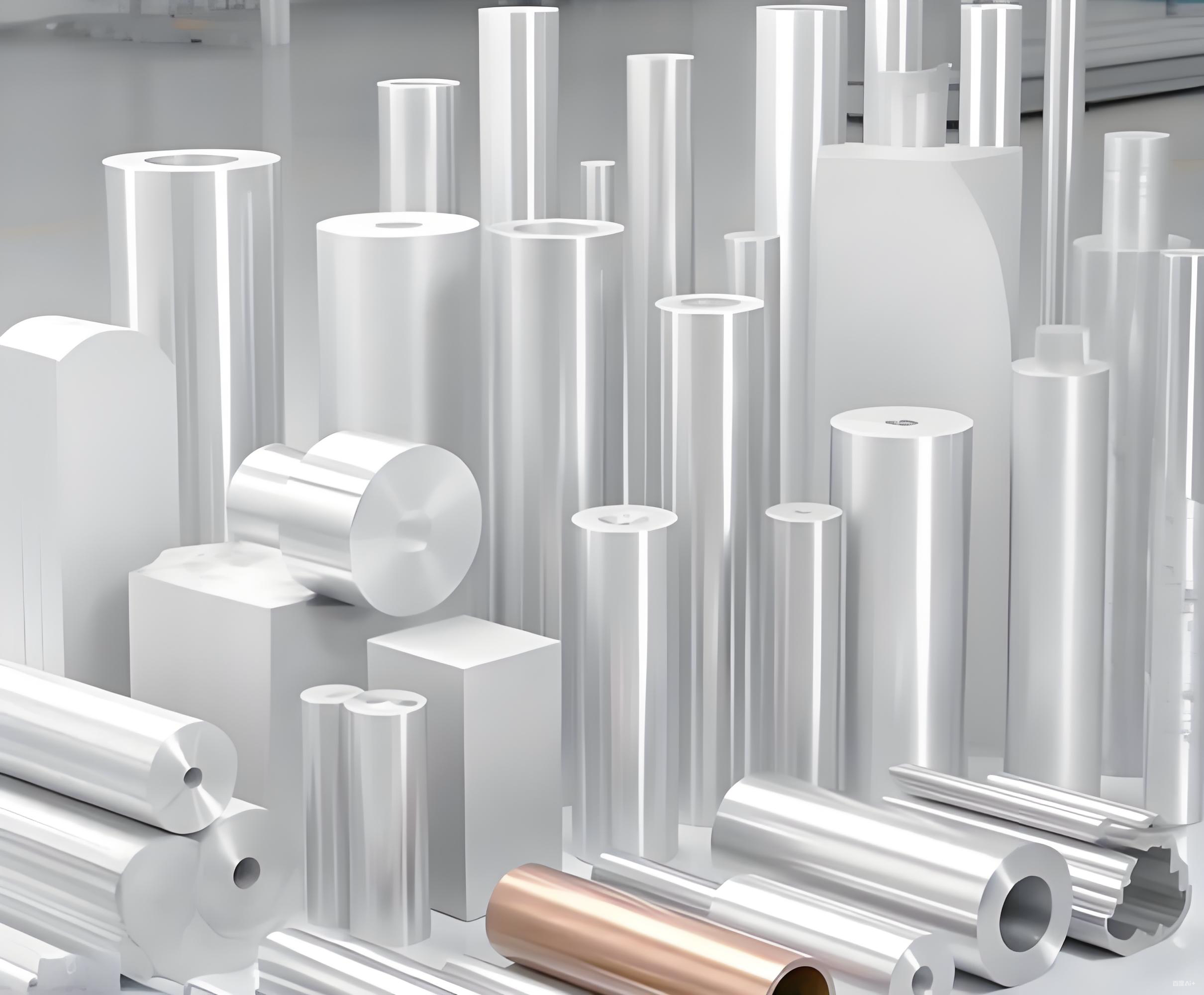
The continuous release of production capacity on the production side is supported by a large number of overseas orders. At present, the overall global supply and demand pattern of aluminum products is tight, and some overseas aluminum plants are limited in production capacity due to factors such as geopolitical conflicts and equipment maintenance, resulting in a continuous expansion of the overall supply gap. The overseas downstream manufacturing and infrastructure industries maintain high demand, forcing overseas buyers to increase their procurement efforts from China. In this context, leading domestic aluminum companies are orderly promoting production capacity, maintaining a high overall capacity utilization rate in the industry, and continuously expanding production capacity to match the surging overseas export demand.
The export data is also impressive, and the General Administration of Customs has released data confirming the overseas demand dividend. In May 2026, the export volume of unprocessed and rolled aluminum and aluminum materials in China was 632000 tons, a year-on-year increase of 15.5% and a month on month increase of 5.7%. The monthly export scale was at a high level for the year. From January to May, the cumulative export of unprocessed and rolled aluminum and aluminum materials was 2.685 million tons, a year-on-year increase of 10.4%, with a considerable increase in export volume.
Industry analysts interpret that there are dual special driving factors behind the surge in aluminum exports this round. On the one hand, the global supply of aluminum resources is insufficient, resulting in a price difference between domestic and foreign aluminum prices. This opens up an export arbitrage window, greatly stimulating domestic traders to ship overseas. On the other hand, the geopolitical war in Iran has disrupted the supply chain in the Middle East region. As an important global aluminum production area, the conflict has directly pushed up the prices of overseas regional aluminum products. At the same time, regional tax policies have tilted, greatly improving the cost-effectiveness of domestic exports of aluminum wire materials and related products, further consolidating China’s competitive advantage in overseas markets for aluminum materials.
From the perspective of downstream application scenarios, aluminum materials are widely used in many popular fields such as new energy vehicles, photovoltaic energy storage, infrastructure engineering, and general manufacturing due to their lightweight and easy processing characteristics. The rapid expansion of the global new energy industry, coupled with the recovery of traditional manufacturing, provides a long-term support for aluminum consumption. At present, domestic aluminum enterprises take the export market as a breakthrough point, digest the newly added production capacity, effectively avoid the problem of flat domestic demand, and form a virtuous cycle of “increasing production and exporting”.
Looking ahead to the future, the short term aftermath of overseas geopolitical conflicts will continue to affect global aluminum supply, and the low inventory pattern overseas is difficult to improve quickly. The favorable trend for aluminum exports is expected to continue; In the medium to long term, the global demand for aluminum in the new energy industry is steadily increasing, coupled with the traditional consumption peak season in the domestic infrastructure and manufacturing industries in the second half of the year. Domestic and foreign demand is driving in both directions, and the high prosperity cycle of the electrolytic aluminum industry is expected to continue. Subsequent practitioners can focus on changes in overseas geopolitical situations, price differentials between domestic and international aluminum prices, and the progress of domestic terminal consumption recovery.
Post time: Jun-18-2026