


When humanoid robots stand at the forefront of the industry, the demand ledger for aluminum is being rewritten. According to CCMN platform’s report on August 20th, at the 2026 World Robot Conference, the industry has set a time window for the “embodied intelligent ChatGPT moment” fast 2~3 years, slow 5~10 years, and the industrialization process of robots is pressing the accelerator button. For aluminum, this is not only a theme, but also a medium to long-term repricing signal for demand structure: after new energy and AI computing power, robots are becoming the third variable that may change the slope of the aluminum demand curve.
From the perspective of single machine usage breakdown, the robot’s pull on aluminum is concentrated in lightweight skeletons, heat dissipation shells, planetary roller screw matching parts, and other aspects. High end aluminum extruded parts, liquid cooled aluminum materials, and aluminum magnesium alloy frames have become the beneficiary directions, while the substitution for ordinary building materials aluminum is relatively limited, this means that the robot dividend is not evenly distributed throughout the industry, but flows towards high-end sub sectors with higher processing fee premiums.
In terms of rhythm, the absolute consumption of aluminum by robots in the short term is still limited, and it is difficult to shake the dominant macro pricing power. But if the annual production of humanoid robots exceeds 200000 units after 2027, the marginal increment will officially enter the supply demand balance sheet. More importantly, there are supply side constraints: domestic electrolytic aluminum production capacity has approached the ceiling of 45 million tons, and supply rigidity makes it easier for marginal improvement in demand to translate into price elasticity.
Spot prices are under overall pressure, but high-end alloys are relatively resistant to decline, reflecting a pattern of “low-end weakness and high-end strength” in the processing end. At the same time, the demand for liquid cooling and heat dissipation in automotive lightweighting and AI computing power centers is still increasing, and the order structure of aluminum, strip, foil and extruded materials continues to shift towards high value-added varieties. In a low inventory environment, the rigid constraints on the supply side may amplify any marginal improvement on the demand side as price elasticity.
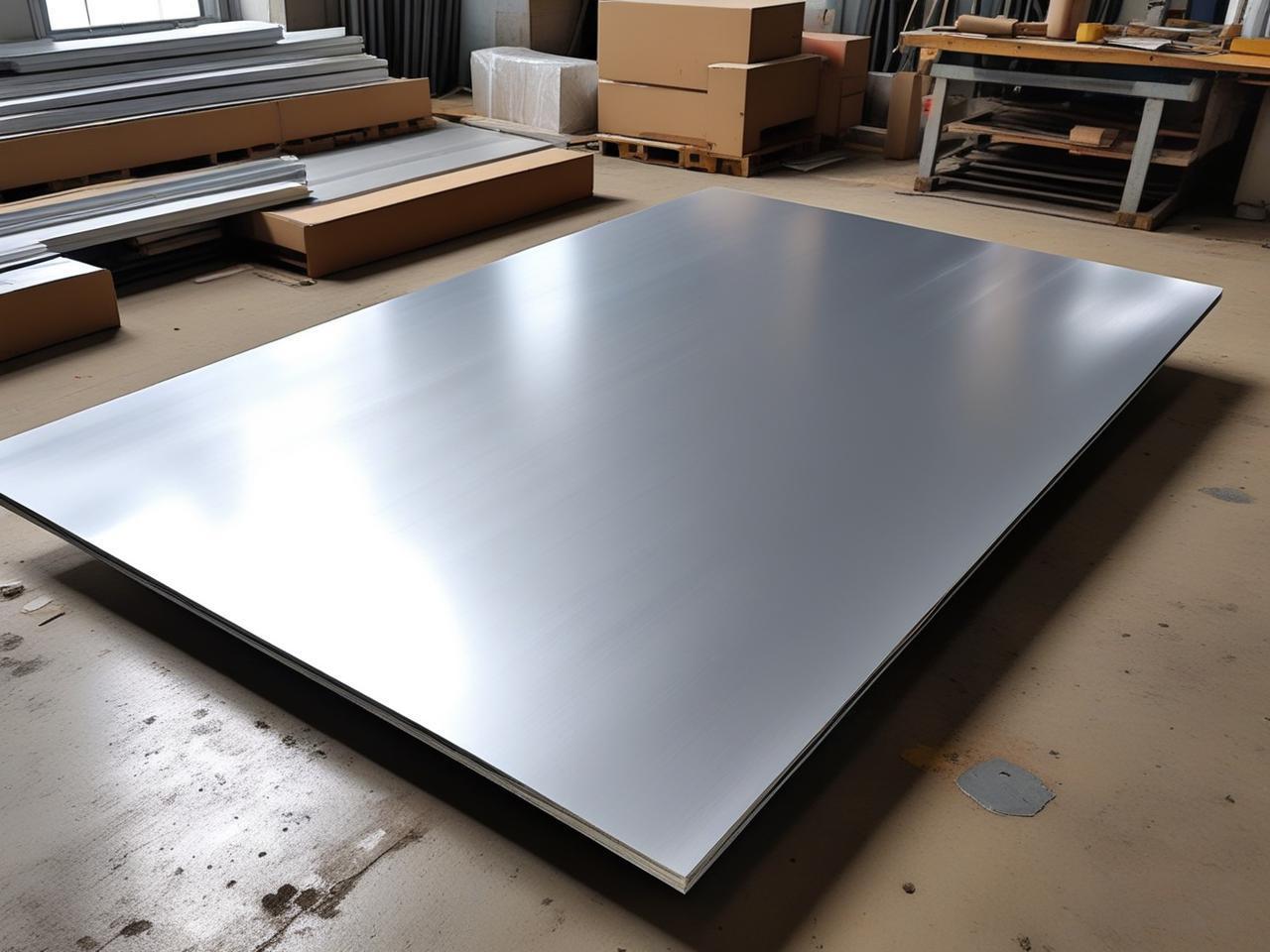
The demand narrative for aluminum is shifting from “real estate+traditional manufacturing” to “automotive lightweighting+AI computing power+robots”, and high-end aluminum processing is expected to benefit first. For practitioners, robots have become a mandatory variable in mid-term demand scenarios, rather than just a stock market theme. We need to track the pace of robot mass production, the progress of high-end extrusion material production capacity deployment, and the supply elasticity under the 45 million ton production capacity ceiling to seize opportunities in structural differentiation.
Post time: Aug-21-2026