


In the summer of 2026, under the dual catalysis of peak season consumption and World Cup events, the beer industry will usher in a structural recovery opportunity. However, beneath the surface of recovering terminal demand, the continuous rise in upstream packaging material prices, especially aluminum can costs, is quietly driving the industry from scale expansion to structural optimization, accelerating the transformation towards high-end and refined operations.
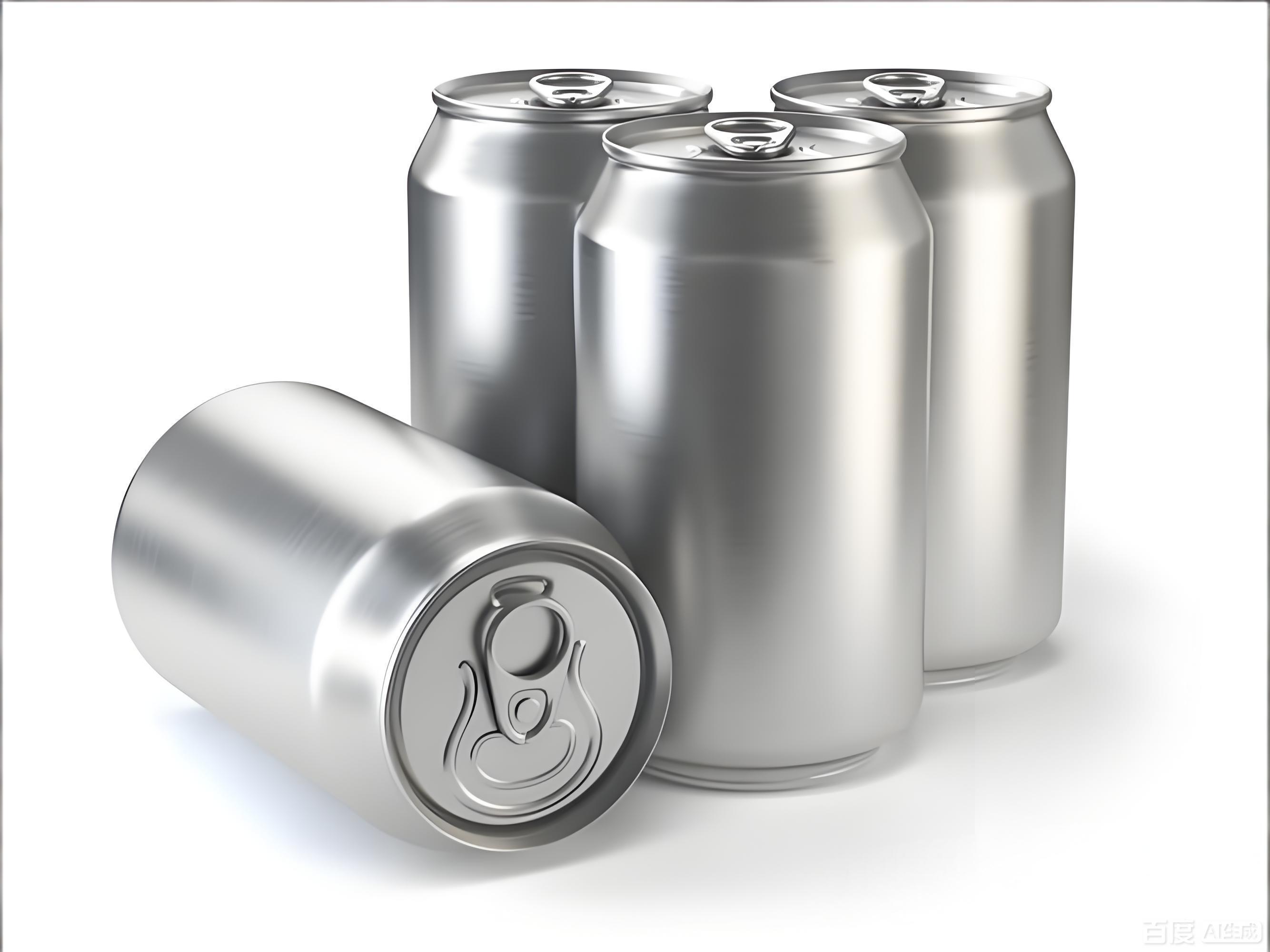
Aluminum cans, as one of the main materials for beer packaging, have a price trend directly related to the industry’s profit structure. Currently, due to energy costs, disruptions in overseas supply, and the geopolitical situation, aluminum prices remain high and fluctuate, with aluminum can prices showing a significant year-on-year increase. This change is not simply a cost pressure, but has become an important external driving force for beer companies to optimize their product structure.
From a historical perspective, the beer industry has demonstrated strong price transmission and internal digestion capabilities in the face of rising packaging costs. Enterprises often hedge against the squeeze of rising raw material prices on profits by reducing promotions for low end products and promoting an increase in the proportion of mid to high end products. The increase in aluminum can prices objectively accelerates the clearance of inefficient production capacity and promotes the overall upgrading of the industry towards high gross profit and high value-added product structures.
During this process, two types of enterprises demonstrate stronger growth potential:
One is a craft beer brand with precise positioning and obvious differentiation. This segmented market benefits from the trend of consumer upgrading and quality improvement. Consumers are relatively less sensitive to prices, and companies can digest cost pressures through product innovation and brand premiums, achieving rapid growth.
The second is a local brand with regional expansion capability and outstanding operational efficiency. These types of enterprises, relying on their local channel advantages, flexible product strategies, and supply chain management capabilities, are better able to seize structural opportunities during the period of cost increase, and achieve market share growth through bulk orders.
In the short term, the dual catalysis of “high temperature & competition” is expected to promote the recovery of ready to drink channels, providing support for beer companies to raise prices and increase volume. In the medium to long term, the focus of industry competition has shifted from sales growth to structural optimization and improvement of profitability quality.
For investors, they can pay attention to the following directions:
One is the leading enterprise in the beer sector with a clear path towards high-end development, strong channel control, and smooth cost transmission;
Secondly, in the upstream aluminum can manufacturing process, suppliers who have established stable supply relationships with major liquor companies and possess scale and technological advantages;
Thirdly, it is necessary to continuously track the trend of aluminum prices, changes in energy costs, and the pace of consumption recovery, and pay attention to the potential risks of unexpected fluctuations in raw material prices affecting the profitability of the sector.
The current rise in aluminum can costs is driving the beer industry towards a new stage of competition that is more efficient and has higher added value. Under the dual drive of cost and consumption upgrading, high-end transformation has shifted from an “optional” to a “necessary” option for the sustainable development of the industry.
Post time: Jun-05-2026